
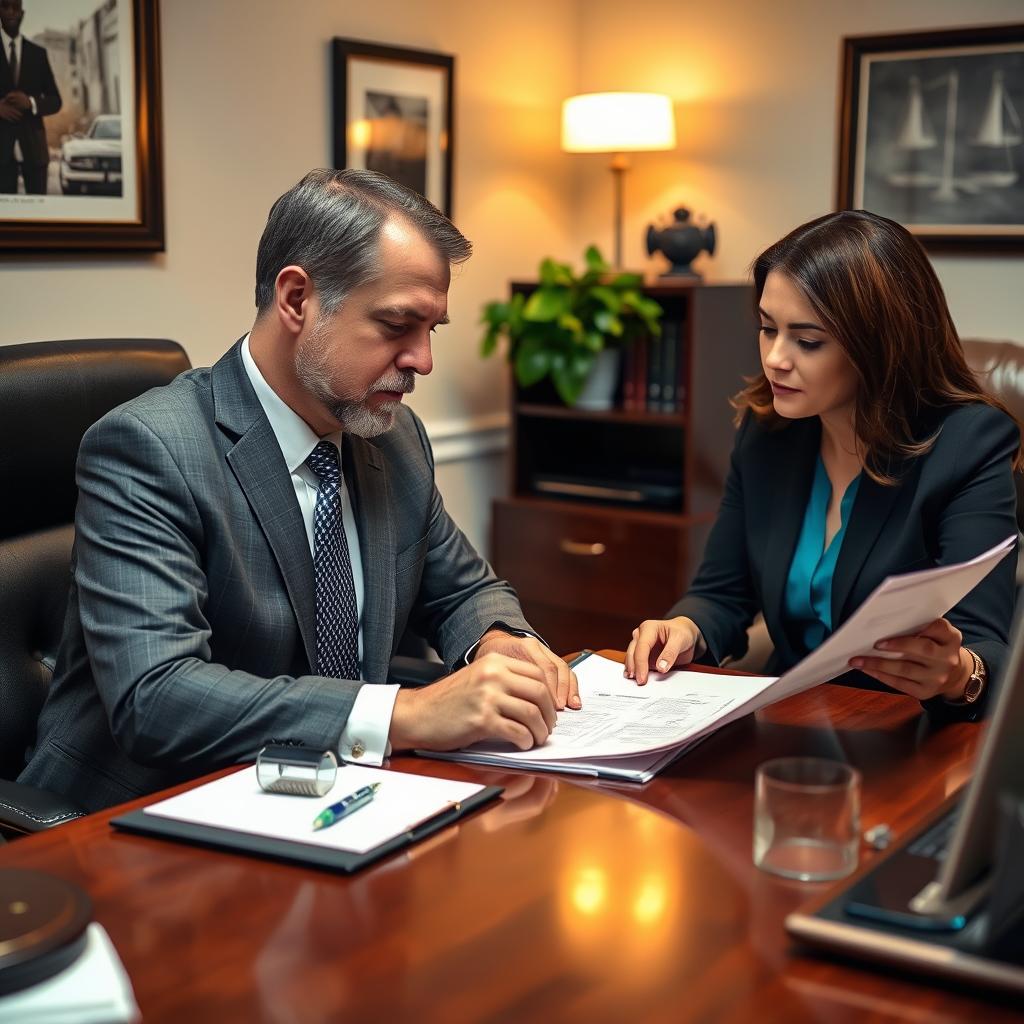
Visitation Enforcement Lawyer Prince George County, VA
In Prince George County, Virginia, visitation orders issued by the Prince George County Juvenile & Domestic Relations District Court or the Prince George County Circuit Court give a parent the right to time with their child. When the other parent fails to comply or actively interferes, enforcing that order through the court system becomes necessary. Law Offices Of SRIS, P.C., concentrates its practice on family law matters including visitation enforcement for parents in Prince George County, the Hopewell area, and surrounding Central Virginia communities. Mr. Sris, Owner and Founder, and his Of Counsel team represent clients seeking to uphold their visitation rights. To discuss your enforcement needs, reach our firm at (888) 437-7747.
Law Offices Of SRIS, P.C. – Advocacy Without Borders.
What Visitation Enforcement Means in Prince George County
Virginia law recognizes the importance of a child’s relationship with both parents. Under Va. Code § 20-124.2, parents are entitled to reasonable visitation unless the court finds it would not be in the child’s best interests. When a parent willfully disobeys a court‑ordered visitation schedule, the other parent may file an enforcement action.
In Prince George County, the court with jurisdiction over visitation enforcement depends on the case posture. If the visitation order is part of an ongoing divorce or custody case in the Prince George County Circuit Court, the enforcement proceeding will be filed there. Standalone custody and visitation cases are handled by the Prince George County Juvenile & Domestic Relations District Court, located at 6601 Courts Drive, Prince George, VA 23875. The courts of the 11th Judicial District serve the communities of Prince George, Hopewell, Fort Gregg‑Adams, and surrounding areas.
Our Richmond location, 7400 Beaufont Springs Drive, Suite 300, Richmond, VA 23225, serves Prince George County clients. Consultations are by appointment; call (888) 437‑7747.
Enforcement remedies can include an order compelling compliance, make‑up visitation time, attorney fees, or, in some cases, contempt findings that may result in fines or jail time. The court focuses on the best interests of the child while ensuring that court orders are respected.
A parent seeking enforcement should begin by documenting each instance of denied or interrupted visitation. Written records that note the date, time, and circumstances of each missed visit can be helpful when presenting the matter to the court. Text messages, emails, and voicemail recordings may also serve as evidence of the other parent’s noncompliance. The court may consider whether the violation was willful or whether there were legitimate logistical obstacles. Under Virginia law, the burden of proof in a civil contempt proceeding is clear and convincing evidence. The moving party must show that the respondent had knowledge of the order and the ability to comply, yet failed to do so. These evidentiary requirements make thorough documentation important to the enforcement process.
Enforcement actions in Prince George County typically begin with the filing of a motion or petition that identifies the specific provisions of the existing order that have been violated. The motion must be served on the other parent in accordance with the Virginia Rules of Civil Procedure or the rules applicable to the Juvenile & Domestic Relations District Court. Once served, the court schedules a hearing date. Both parties have the opportunity to be heard and to present evidence. The judge may rule from the bench or take the matter under advisement. If the court finds a violation occurred, it has broad discretion to fashion an appropriate remedy.
How Mr. Sris and His Of Counsel Handle Visitation Enforcement Cases
When you contact Law Offices Of SRIS, P.C., we begin by evaluating the existing court order and the history of compliance. We review documentation: visitation schedules, logs of denied visits, communications with the other parent, and any prior court filings. We then identify the most effective legal remedy—a motion for a rule to show cause (contempt), a motion for enforcement, or a petition for modification if the existing order is no longer workable.
Mr. Sris, a former prosecutor, brings courtroom experience to each enforcement matter. His Of Counsel team includes attorneys with background in family law litigation. Together, they prepare the case for hearing, advocate for the parent seeking enforcement, and present evidence to the court. Throughout the process, we work to protect the parent‑child relationship while holding non‑complying parents accountable.
Because court calendars and procedural requirements vary, we cannot predict exact timelines, but we keep clients informed at each stage. Mr. Sris and his Of Counsel appear before the Prince George County Juvenile & Domestic Relations District Court and the Prince George County Circuit Court as needed.
Our firm also assists clients with related matters that may arise during enforcement proceedings. For example, a contempt hearing may reveal underlying issues with the existing visitation schedule that warrant a modification request. In other cases, the non‑complying parent may raise allegations that require a response. Mr. Sris and his Of Counsel are prepared to address these developments as they arise and to adjust the legal strategy accordingly. We aim to provide each client with a clear understanding of the procedural steps ahead, the potential outcomes, and the factors the court is likely to weigh when reaching its decision.
About Mr. Sris and His Of Counsel Team
Mr. Sris is the Owner and Founder of Law Offices Of SRIS, P.C. He is admitted to practice in Virginia, Maryland, the District of Columbia, New Jersey, and New York. Before entering private practice, Mr. Sris served as a former prosecutor. He founded the firm in 1997 and has concentrated in family law matters for the full span of his practice.
Mr. Sris testified before the Virginia House Courts of Justice Committee in support of 2019 HB 635 (chief patron Del. David Bulova). Mr. Sris and his Of Counsel bring extensive combined legal experience. Results may vary.
The Of Counsel attorneys who work with Mr. Sris are engaged through Excella and bring additional experience in family law, litigation, and court procedures. Together, they support clients throughout Prince George County and Central Virginia.
The firm maintains a Richmond office at 7400 Beaufont Springs Drive, Suite 300, Richmond, VA 23225. From this location, the firm serves clients across Central Virginia, including Prince George County, Hopewell, Fort Gregg‑Adams, Colonial Heights, Petersburg, and the broader Tri‑Cities area. Appointments are scheduled in advance. To arrange a consultation, call (888) 437‑7747.
Frequently Asked Questions
What is visitation enforcement in Virginia?
Visitation enforcement is a legal action a parent can take when the other parent refuses to follow a court‑ordered visitation schedule. Under Virginia law, a parent who has been denied court‑ordered visitation may file a motion asking the court to compel compliance, order make‑up visitation, and sanction the non‑complying parent. The court may consider whether the violation was willful and what remedy serves the child’s best interests.
Visitation orders in Virginia are entered pursuant to Va. Code § 20-124.2, which establishes that the court shall assure minor children frequent and continuing contact with both parents when such contact is in the child’s best interests. Enforcement proceedings are governed by the rules of the court that issued the original order. Parents who are experiencing interference with their court‑ordered visitation should document each incident and may wish to consult with an attorney about the enforcement options available under Virginia law.
How do I enforce a court-ordered visitation schedule in Prince George County?
You can file a motion for enforcement with the Prince George County Juvenile & Domestic Relations District Court if the visitation order arose from a custody case, or with the Prince George County Circuit Court if the order is part of a divorce. The motion outlines the violations and requests relief. The court may hold a hearing where both parties present evidence, and the judge may order make‑up time, modify the schedule, or impose contempt sanctions.
The specific filing requirements and forms vary depending on the court. The Prince George County Juvenile & Domestic Relations District Court and the Prince George County Circuit Court each have their own procedural rules regarding motions, service of process, and hearing schedules. Court staff can provide information about filing fees and procedural requirements, though they cannot offer legal advice. An attorney familiar with the local courts can assist with preparing and filing the necessary documents.
What happens if the other parent refuses to follow the visitation order?
A parent who willfully violates a visitation order may be found in contempt. The court can impose sanctions including fines, mandatory make‑up visitation, attorney fees, and, in repeated or serious cases, jail time. The court’s focus remains on the child’s best interests and ensuring the visitation schedule is followed.
In Virginia, contempt of court in the family law context may be civil or criminal in nature. Civil contempt is designed to compel compliance with the court’s order. Criminal contempt is punitive and intended to vindicate the authority of the court. In visitation enforcement cases, courts frequently employ civil contempt remedies such as awarding compensatory visitation time or requiring the non‑complying parent to pay the other parent’s attorney fees. The court has broad discretion to determine the appropriate remedy based on the facts of each case.
Can I modify visitation if enforcement is not working?
Yes, if repeated violations make the existing order unworkable, a parent may file a petition to modify the custody or visitation order. The court will consider whether a change is in the child’s best interests. Modification may involve adjusting the schedule or, in extreme circumstances, changing custody.
Under Virginia law, modification of a visitation or custody order requires a showing of a material change in circumstances since the entry of the prior order and that the proposed modification serves the child’s best interests. A pattern of willful noncompliance with the existing visitation order may constitute such a material change. The parent seeking modification bears the burden of proof. If the court finds that enforcement efforts have been unsuccessful and that the current arrangement is detrimental to the child, it may modify the schedule or impose additional safeguards to ensure future compliance.
Do I need a lawyer for visitation enforcement in Prince George County?
You are not required to have a lawyer, but enforcement proceedings involve rules of evidence and court procedures. An attorney can help you present a strong case, draft proper motions, and advocate for your rights at the hearing. Law Offices Of SRIS, P.C. offers consultations to discuss whether representation would benefit your situation.
Self‑represented litigants are responsible for understanding and following the same rules of procedure and evidence that apply to licensed attorneys. Procedural errors can delay the case or affect the outcome. An attorney who is familiar with the Prince George County courts and Virginia family law can help navigate these requirements, gather and present evidence effectively, and make legal arguments supported by Virginia statutes and case law.
Family Law Lawyers Serving Nearby Virginia Communities
Family Law Attorneys in Fairfax County •
Family Law Attorneys in Prince William County •
Family Law Attorneys in Manassas
Virginia Family Law Resources
Virginia Code Title 20 – Family Law •
Prince George County General District Court
Attorney advertising. Prior results do not guarantee a similar outcome. Results may vary.
Case results depend on a variety of factors unique to each case.