
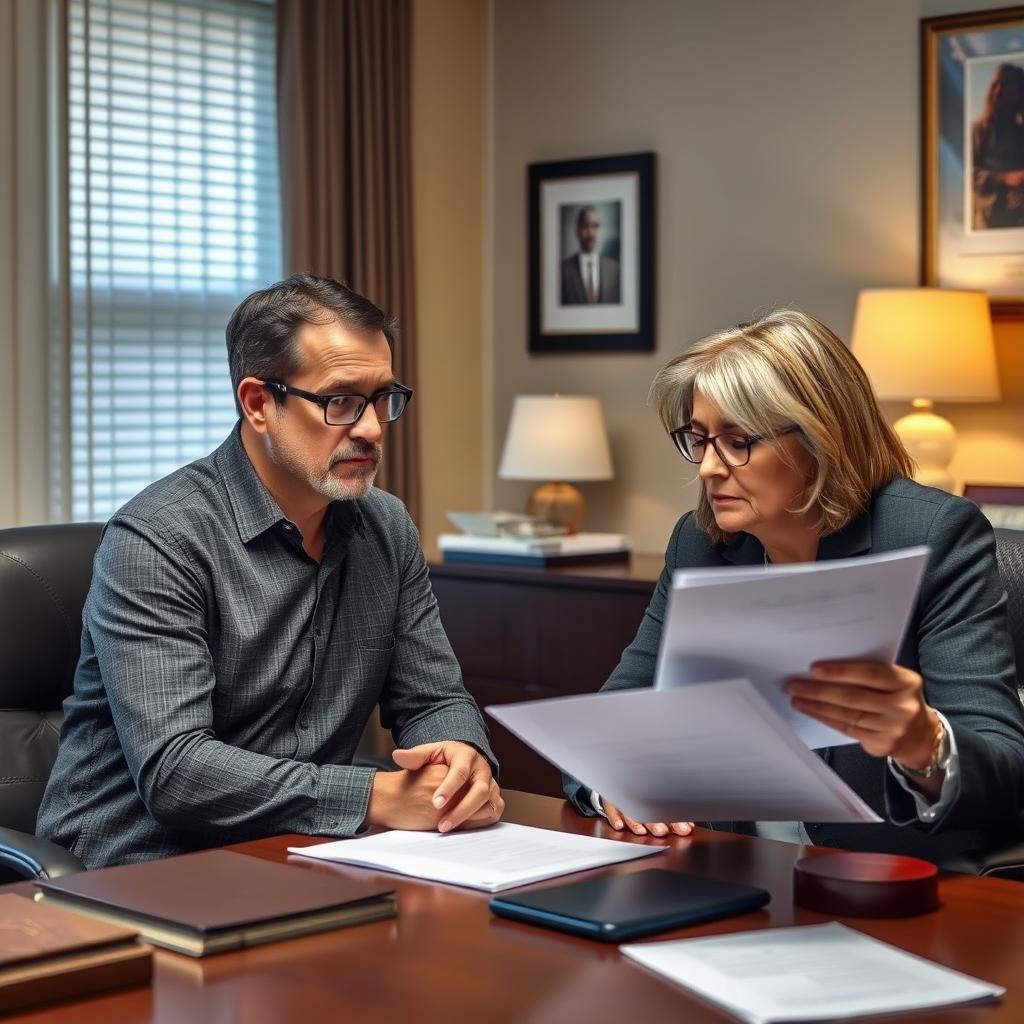
Trial Separation Lawyer Virginia, VA
If you are considering a trial separation in Virginia, understanding how the law treats separation is essential before you make decisions that could affect your divorce proceedings, property rights, and child custody arrangements. Virginia law does not recognize a formal “trial separation” as a distinct legal status, but a period of living apart—with or without a written separation agreement—forms the foundation of most no‑fault divorces in the Commonwealth. Law Offices Of SRIS, P.C. helps individuals throughout Virginia navigate separation, negotiate property and support terms, and prepare for the divorce process in a way that protects their interests. Reach our firm at (888) 437-7747 to schedule a consultation. Law Offices Of SRIS, P.C. – Advocacy Without Borders.
What Trial Separation Means Under Virginia Law
Virginia statutory law addresses separation primarily through its divorce grounds. Under Virginia Code § 20‑91(9), a no‑fault divorce may be granted after the spouses have lived separate and apart for one year, or for six months if no minor children are involved and the parties have signed a separation agreement. There is no separate “trial separation” status; instead, a couple’s decision to live apart—even temporarily—begins the clock on the statutory separation period that can ultimately support an uncontested divorce.
Because Virginia is an equitable distribution state under § 20‑107.3, the timing of separation can affect how property acquired after the separation date is classified. Courts will consider the date of separation as the end of the marital partnership for purposes of valuing and dividing marital assets. Even short‑term separations can have significant legal consequences if not handled with proper documentation, especially regarding spousal support, child support, and parenting schedules. Working with an experienced Virginia family law attorney early in the separation process helps ensure that the decisions you make now do not inadvertently weaken your position later.
How Mr. Sris and His Of Counsel Handle Separation Matters
Mr. Sris and his Of Counsel take a practical approach to separation cases, focusing first on whether the goal is reconciliation, a formal separation governed by a written agreement, or an eventual divorce. If the parties intend to separate for a trial period, the team explains how even an informal separation can start the statutory clock and what steps can be taken to protect assets and parenting time during the separation. When a separation agreement is needed, the firm assists clients in negotiating and drafting a comprehensive document covering property division, spousal support, child custody, and child support.
The representation continues through any necessary pendente lite hearings under Virginia Code § 20‑103, where the court can enter temporary orders for support, custody, and use of the family home while the divorce is pending. Because the timeline of a Virginia divorce depends on the separation period and the complexity of the parties’ finances, Mr. Sris and his Of Counsel work to structure the separation to position the client for a fair outcome, whether the case resolves by agreement or proceeds to trial.
About Mr. Sris and His Of Counsel Team
Mr. Sris, Owner and Founder of Law Offices Of SRIS, P.C., is a former prosecutor who has practiced family law in Virginia since the firm was founded in 1997. He maintains a hands‑on role in complex family law matters, including those involving equitable distribution of significant assets, spousal support disputes, and contested custody. His legislative experience includes testifying before the Virginia House Courts of Justice Committee in support of 2019 HB 635 (chief patron Del. David Bulova), a bill that revised Virginia’s equitable distribution statute.
Mr. Sris and his Of Counsel bring over 120 years of combined legal experience and have achieved 4,739+ documented firm-wide results in family law cases across the Commonwealth. Results may vary. The Of Counsel team includes attorneys with backgrounds in prosecution, law enforcement, and CPS work, providing a depth of insight that benefits clients navigating the stress of separation and divorce. The firm serves all Virginia counties and independent cities from its network of locations, including its primary office at 4008 Williamsburg Court, Fairfax, VA 22032.
Frequently Asked Questions
Is there such a thing as a “trial separation” in Virginia?
Virginia law does not recognize “trial separation” as a formal legal status. However, any period during which spouses live separate and apart—even if they intend to reconcile—counts toward the separation period required for a no‑fault divorce. The key is that the separation must be continuous and without cohabitation. While trial separations are common, they should be documented carefully to avoid disputes later about the separation date. An attorney can advise you on how to establish a clear separation that satisfies the court’s requirements if divorce ultimately follows.
Do I need a separation agreement during a trial separation?
A written separation agreement is not legally required during a trial separation, but it is strongly recommended if you intend to divorce later or want to protect your rights during the separation. Under Virginia Code § 20‑91(9)(b), a separation agreement is mandatory if you want to divorce after six months without minor children. Even without immediate divorce plans, a written agreement can resolve financial support, custody, and property use during the separation period, reducing conflict and uncertainty. Our firm helps clients decide whether a separation agreement is appropriate at this stage.
How long does a separation need to last before divorce in Virginia?
For a no‑fault divorce, Virginia requires either a one‑year separation under § 20‑91(9)(a), or a six‑month separation if no minor children are involved and the parties have a signed separation agreement under § 20‑91(9)(b). The separation must be continuous and without cohabitation. The court will require at least one corroborating witness to testify that the parties lived separate and apart for the required period. If you intend to use the trial separation toward a future divorce, it is important to document the start date clearly.
What happens to property acquired during a trial separation?
In Virginia, property acquired after the date of separation is generally considered separate property, not marital property, but the classification can be complex. Under Virginia Code § 20‑107.3, the court considers the date of separation as the end of the marital partnership for purposes of valuing and distributing assets. However, income earned during separation from marital assets may remain marital in some circumstances. A family law attorney can examine your specific asset composition and advise you on what steps to take during a separation to protect your property interests.
Can I date during a trial separation in Virginia?
Dating during a separation in Virginia does not by itself void the separation or prevent a divorce, but it can create complications if adultery is alleged or if children are involved. Virginia allows fault‑based divorce on the ground of adultery—which would remove the waiting period entirely—and adultery can affect spousal support. Even if dating occurs after separation, an extramarital relationship begun before separation could support a fault claim. This is an area where you should consult with an attorney before making decisions that could impact your divorce case.
How do I start the separation process in Virginia?
You can start the separation process by physically moving into a separate residence, clearly communicating your intent to separate, and ceasing cohabitation with your spouse. While no court filing is required to begin a separation, you should consider consulting a family law attorney early to understand how the separation clock starts, what property and custody arrangements to put in place, and whether a formal separation agreement is advisable. Law Offices Of SRIS, P.C. can guide you through these first steps and help you avoid mistakes that could affect your future divorce. For a consultation, reach Mr. Sris and his Of Counsel at (888) 437-7747.
Explore additional Virginia family law resources: Family Law Lawyer Virginia • Separation Agreement Lawyer Virginia • Legal Separation Lawyer Virginia • Uncontested Divorce Lawyer Virginia • Separation Lawyer Virginia
Attorney advertising. Prior results do not guarantee a similar outcome.
Case results depend on a variety of factors unique to each case.
Results may vary.