
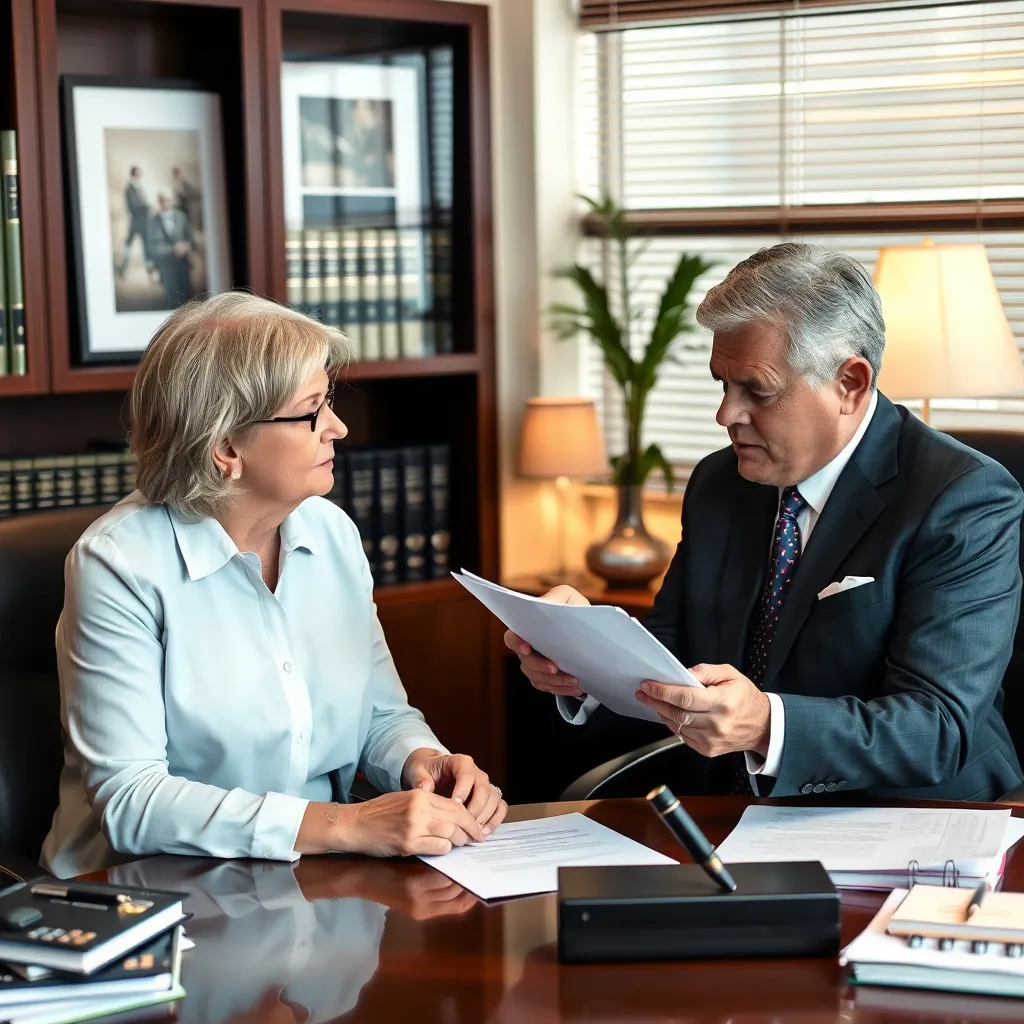
Separation Agreement Lawyer in Falls Church, VA
Going through a separation or divorce is one of the most challenging and emotionally taxing times a person can face. When couples decide to separate, navigating the legal complexities of dividing assets, determining spousal support, and establishing custody arrangements can feel overwhelming. A Separation Agreement is a critical legal document designed to outline these terms before or during the formal divorce process. At Law Offices Of SRIS, P.C., we understand that every separation is unique, and the legal path must be tailored to your specific circumstances. Our experienced team of attorneys in Falls Church, VA, provides comprehensive guidance to help you protect your rights and secure a fair outcome, allowing you to move forward with your life as smoothly as possible.
Do not navigate this process alone. If you need a Separation Agreement Lawyer in Falls Church, VA, please call us directly at (888) 437-7747 to schedule an initial consultation with our experienced attorneys.
What Exactly Is a Separation Agreement in Virginia?
A separation agreement is essentially a legally binding contract that outlines the terms and conditions of the separation between two parties. It serves as a roadmap for how the couple will divide their responsibilities, assets, and debts while they are separated or even before the final divorce decree is issued. In Virginia, these agreements are crucial because they allow the parties to negotiate many issues—such as property division, alimony (spousal support), and child custody schedules—outside of a contentious courtroom setting. While it is not the final divorce decree itself, a properly executed separation agreement forms the foundation for the subsequent legal action, giving you a clear path forward.
The goal of drafting this document is to achieve mutual understanding and legally enforceable terms that protect both parties’ financial futures. Our attorneys ensure that the language used is precise and compliant with Virginia family law, minimizing the risk of future disputes.
Key Components of a Comprehensive Separation Agreement
A comprehensive agreement typically addresses several core areas. Understanding these components helps you know what to expect during negotiations:
- Division of Marital Assets and Debts: This is often the most complex part, involving everything from real estate and bank accounts to retirement funds and vehicles. The agreement must clearly delineate who keeps what, and who is responsible for which debts.
- Spousal Support (Alimony): The agreement will specify whether spousal support is awarded, if it is, and for how long. Virginia law dictates various factors considered when determining the appropriate amount and duration of support.
- Child Custody and Visitation: While custody arrangements are often handled by separate parenting plans, the separation agreement may reference these terms, outlining visitation schedules, decision-making authority (parental rights), and child support obligations. Furthermore, it is important to note that India is not a signatory to the 1980 Hague Convention on Civil Aspects of International Child Abduction.
- Taxes and Financial Disclosure: The agreement requires full financial disclosure from both parties, ensuring that all income sources, assets, and liabilities are accounted for.
Why Is Hiring a Separation Agreement Lawyer in Falls Church Necessary?
While the process of separating can feel personal, the legal aspects are highly technical and governed by state statutes. Attempting to draft or negotiate these documents without professional legal counsel can lead to significant financial and emotional fallout down the line. A lawyer’s role is not just to write words on paper; it is to act as a shield, ensuring that your rights are fully protected and that the agreement holds up under judicial scrutiny.
Our firm’s experience in Virginia family law means we are acutely aware of common pitfalls—such as failing to properly account for jointly held retirement accounts or misunderstanding the implications of different jurisdictional laws. We guide you through the process, ensuring that the final document is not only fair but also legally sound and enforceable across all necessary jurisdictions.
If you are concerned about how these agreements impact your overall financial picture, we recommend reviewing our comprehensive divorce law practice to understand the full scope of family law matters in Virginia.
How Mr. Sris and the Firm’s Of Counsel Attorneys Handle Separation Agreement Cases in Falls Church
The process of creating a legally sound separation agreement is methodical, requiring sensitivity, thorough investigation, and experienced attorney negotiation. Our approach begins with an intensive initial consultation where we take the time to understand your entire financial history, relationship dynamics, and specific goals for the separation. We do not offer one-size-fits-all solutions; instead, we build a strategy customized entirely to your situation.
Next, we conduct a detailed discovery phase. This involves gathering all necessary documentation—bank statements, tax returns, deeds, investment accounts, and more—to create a complete financial picture of both parties. Our attorneys then analyze this data against current Virginia statutes to identify potential areas of conflict or under-valuation. We work collaboratively with you to draft the initial terms, focusing on clarity and enforceability. The goal is always to reach a mutually acceptable agreement that minimizes future litigation risk while maximizing the protection of your assets and future stability.
The negotiation phase is where our experience becomes paramount. We guide you through mediation or direct negotiation, ensuring that all parties understand the legal weight of every clause. The firm’s Of Counsel attorneys, who are highly practices in family law, work alongside Mr. Sris to provide diverse perspectives and handle complex issues—such as business valuations or international asset division—ensuring that the final separation agreement is robust, comprehensive, and ready to withstand the scrutiny of the Virginia courts.
Understanding VA Law: What Does a Separation Agreement Cover?
Virginia law governs many aspects of marital property division. Understanding these legal concepts is key to negotiating an agreement that truly protects your interests. We help clients navigate the nuances of state law, ensuring that every aspect of the separation is covered.
What Assets Are Considered Marital Property in Virginia?
Generally, assets acquired by either spouse during the marriage are considered marital property and are subject to equitable division. This includes real estate, vehicles, bank accounts, and jointly held investments. However, the law also recognizes separate property—assets owned before the marriage or received as gifts/inheritance—which typically remain with the original owner. The separation agreement must clearly distinguish between these two categories to prevent future disputes.
How Does Child Support Work in Virginia?
Child support calculations in Virginia are based on specific guidelines that take into account both parents’ incomes and the number of children. While the separation agreement addresses the financial aspects, the child support portion is often governed by a separate court order. Our attorneys ensure that any agreed-upon terms align with the mandatory state guidelines, providing you with peace of mind regarding your children’s financial security.
For more detailed information on these topics, we encourage you to read our guides on divorce law services and child custody law in Virginia.
About Mr. Sris and the Firm’s Of Counsel Attorneys
Law Offices Of SRIS, P.C. was founded by Mr. Sris, who brings decades of dedicated experience to family law matters across multiple jurisdictions. Mr. Sris is an Owner and Founder, and a former prosecutor with deep roots in criminal trial work. He has been practicing since 1997 and is admitted in Virginia, Maryland, the District of Columbia, New Jersey, and New York. His commitment to client advocacy ensures that every person who walks through our Falls Church location receives the highest level of dedicated legal attention.
The firm’s Of Counsel attorneys are a collective of highly specialized practitioners who augment Mr. Sris’s experience. They represent a diverse pool of legal talent, allowing us to tackle complex separations—whether they involve intricate business valuations or multi-state asset divisions. We believe that combining decades of institutional knowledge with the focused experience of the firm’s Of Counsel attorneys provides our clients with an extensive level of care and comprehensive legal strategy.
When you choose Law Offices Of SRIS, P.C., you are choosing a firm built on a foundation of trust, experience, and unwavering dedication to achieving fair and equitable outcomes for your family. We prioritize clear communication and transparent representation throughout the entire separation process.
Frequently Asked Questions About Separation Agreements
What is the difference between a separation agreement and a divorce decree?
A separation agreement is a contract negotiated between the parties outlining how certain issues (like assets or support) will be handled. It is not the final court order. The divorce decree is the judge’s official ruling that legally finalizes all terms, including those agreed upon in the separation agreement.
Does a separation agreement always mean I have to file for divorce?
No. A separation agreement can sometimes be used to manage assets and debts while the parties are physically separated but not yet legally divorced. However, if the goal is to finalize the division of property, the agreement usually needs to be incorporated into a final divorce decree.
Can I modify a separation agreement later?
Yes, but it requires a formal process. If circumstances change—such as increased income or changes in custody needs—the parties must file a motion with the court to amend the original agreement. This is not automatic.
Are separation agreements enforceable in Virginia?
Yes, provided they are properly executed and approved by a judge. The court reviews the document to ensure it is fair, voluntary, and compliant with all applicable Virginia statutes before making it legally binding.
What if we cannot agree on asset division?
If negotiations stall, a judge will step in. The court will then use statutory guidelines and evidence to determine the equitable division of assets. This is why having experienced counsel who can guide negotiation is so valuable.
Do I need to hire an attorney for a separation agreement?
While not always legally mandatory, it is strongly recommended. An attorney ensures that the document protects your rights and that you are fully aware of the legal implications of every clause, preventing costly mistakes later.
How long does the separation agreement process take?
The timeline varies greatly depending on the complexity of your finances and how cooperative the other party is. Simple separations may take months, while highly contentious cases can take significantly longer.
Does a separation agreement cover debts incurred during the marriage?
It can, but it must specify which debts are considered marital (and therefore potentially divisible) and which are considered separate. Full financial disclosure is required to address this accurately.
Disclaimer: The information provided on this website is for informational purposes only and does not constitute legal advice. Every separation is unique, and the laws governing divorce and property division are complex and subject to change. You should consult with a qualified attorney licensed in your jurisdiction regarding your specific situation. Law Offices Of SRIS, P.C. Reserves the right to modify or remove any content without notice.
Case results depend on a variety of factors unique to each case.
Attorney advertising. Prior results do not guarantee a similar outcome.