
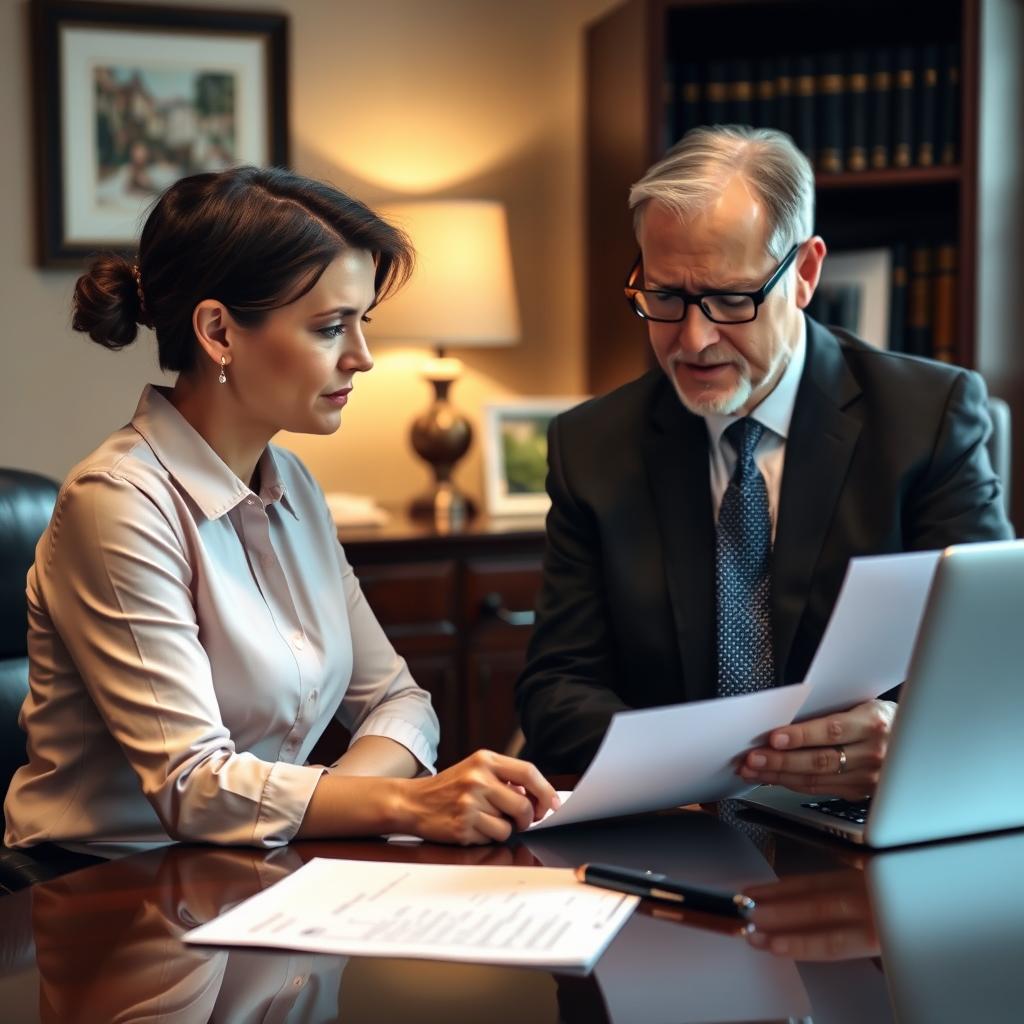
Rehabilitative Alimony Lawyer Colonial Heights, VA
When a marriage ends, one spouse may need financial support to acquire the education, training, or work experience necessary to become self‑supporting. That is the purpose of rehabilitative alimony under Virginia law. In Colonial Heights, the Circuit Court at 550 Boulevard determines spousal support based on the factors listed in Va. Code § 20‑107.1, evaluating each party’s earning capacity, the duration of the marriage, the standard of living established during the marriage, and the reasonable needs of the parties. Whether you are seeking rehabilitative support or responding to a request for alimony, understanding how the Colonial Heights court applies these factors is essential. Mr. Sris and the firm’s Of Counsel attorneys represent clients in Colonial Heights family law matters, including rehabilitative alimony cases. To schedule a consultation, call (888) 437‑7747. Law Offices Of SRIS, P.C. – Advocacy Without Borders.
What Rehabilitative Alimony Means in Colonial Heights
Rehabilitative alimony is time‑limited spousal support designed to enable a dependent spouse to obtain the skills or credentials needed for financial independence. Unlike permanent or indefinite support, rehabilitative alimony is typically awarded for a defined period—for example, the time needed to complete a degree program or vocational training—and the court expects the recipient to make a good‑faith effort toward self‑sufficiency. In Colonial Heights, the judge hearing the case at the Colonial Heights Circuit Court applies the thirteen statutory factors listed in Va. Code § 20‑107.1, which include each spouse’s age, health, education, and contributions to the family.
Colonial Heights, an independent city in the Twelfth Judicial District, follows Virginia’s equitable distribution framework. The court first classifies and values marital property, then addresses spousal support. Because rehabilitative alimony is forward‑looking, the court examines the requesting spouse’s present employability and the realistic time it will take to become self‑supporting. The proximity of Colonial Heights to the Richmond metropolitan area means many residents commute to professional jobs; the court may consider local job‑market conditions when assessing a spouse’s earning potential. Mr. Sris and the firm’s Of Counsel attorneys are familiar with how the Colonial Heights Circuit Court approaches rehabilitative alimony and can present evidence on training costs, the local labor market, and a realistic path to independence.
How Mr. Sris and the Firm’s Of Counsel Attorneys Handle Rehabilitative Alimony Cases
Every rehabilitative alimony matter begins with a detailed financial analysis. Mr. Sris and the firm’s Of Counsel attorneys work with clients to gather income records, tax returns, employment history, and documentation of any education or vocational plans. If the case involves a business interest or complex compensation structure—such as commissions, bonuses, or stock options—the firm may engage forensic accountants to ensure that the income figure presented to the court is accurate.
Negotiation and mediation play a central role in many Colonial Heights family law matters. Where the parties can agree on the amount and duration of rehabilitative support, a property settlement agreement can resolve the issue without a contested hearing. When an agreement is not possible, Mr. Sris and the firm’s Of Counsel attorneys prepare the case for trial, presenting evidence on the statutory factors and advocating for a reasonable support arrangement that reflects the facts of the marriage and the realistic timeline for the recipient to become self‑supporting. The goal is always a fair outcome that provides the supported spouse a genuine opportunity to transition to independence while protecting the payor’s legitimate financial interests.
About Mr. Sris and the Firm’s Of Counsel Attorneys
Mr. Sris, Owner and Founder of Law Offices Of SRIS, P.C., has concentrated his practice on family law and related litigation since 1997. He is admitted in Virginia, Maryland, the District of Columbia, New Jersey, and New York. Mr. Sris testified before the Virginia House Courts of Justice Committee in support of 2019 HB 635 (chief patron Del. David Bulova), a measure that revised the equitable distribution statute. Mr. Sris and the firm’s Of Counsel attorneys bring extensive combined legal experience to rehabilitative alimony and other family law matters. Results may vary. In your case.
The firm’s Of Counsel attorneys include practitioners with backgrounds as a former Maryland Assistant State’s Attorney, a former Virginia State Trooper, and a litigator with over thirty years of experience in Virginia and the District of Columbia. Together, Mr. Sris and the firm’s Of Counsel attorneys offer clients a multi‑state perspective on family law issues, including spousal support, equitable distribution, child custody. India is not a signatory to the 1980 Hague Convention on Civil Aspects of International Child Abduction, and support enforcement. The firm’s Richmond location serves clients from Colonial Heights and throughout the Twelfth Judicial District.
Frequently Asked Questions
What is rehabilitative alimony in Virginia?
Rehabilitative alimony is time‑limited spousal support awarded to help a dependent spouse obtain education, training, or work experience needed to become self‑supporting. Virginia courts may order rehabilitative alimony when a spouse needs financial assistance during a defined transition period. The support generally continues for the time reasonably necessary to complete a program or secure employment. The judge considers the factors in Va. Code § 20‑107.1, including the standard of living during the marriage, each party’s earning capacity, and the duration of the marriage. For guidance on your specific situation, reach Law Offices Of SRIS, P.C. at (888) 437‑7747.
How does the Colonial Heights Circuit Court decide rehabilitative alimony?
The judge evaluates the thirteen statutory factors listed in Va. Code § 20‑107.1, weighing each party’s income, earning capacity, age, health, and contributions to the marriage, as well as the time the recipient reasonably needs to become self‑supporting. The court requires concrete evidence of the training or education plan, including its cost and duration. If the recipient fails to make good‑faith progress, the payor may later seek modification. Because the Colonial Heights Circuit Court handles all divorce and spousal support matters for the city, local practice is key. To discuss the details of your matter, contact Law Offices Of SRIS, P.C. at (888) 437‑7747.
Can rehabilitative alimony be modified after the original order?
Yes, rehabilitative alimony may be modified upon a showing of a material change in circumstances, such as a substantial change in either party’s income, employment status, or the recipient’s failure to pursue self‑sufficiency. The party seeking modification must file a motion with the Colonial Heights Circuit Court and present evidence of the changed conditions. Modifications are not automatic; the judge reviews whether the original plan remains feasible. For a consultation, reach Mr. Sris and the firm’s Of Counsel attorneys at (888) 437‑7747.
What documentation should I bring to a consultation about rehabilitative alimony?
Bring recent pay stubs, tax returns for the last two to three years, a list of monthly expenses, documentation of any educational or training programs under consideration, and a copy of any existing court orders or separation agreement. If you are the paying spouse, also bring evidence of your current income and financial obligations. Having this information ready allows the attorney to evaluate your situation efficiently. For guidance on your specific situation, reach Law Offices Of SRIS, P.C. at (888) 437‑7747.
Do I need a lawyer for a rehabilitative alimony matter in Colonial Heights?
While you are not legally required to hire an attorney, rehabilitative alimony disputes involve complex financial and legal issues that can affect your finances for years. An experienced family law attorney can help you present a clear plan for rehabilitation, challenge unrealistic demands, and ensure that the court considers all relevant statutory factors. To discuss your options, contact Law Offices Of SRIS, P.C. at (888) 437‑7747.
Related family law resources: Fairfax County Family Law Lawyer | Prince William County Family Law Lawyer | Manassas Family Law Lawyer | Fairfax City Family Law Lawyer | Falls Church Family Law Lawyer
For authoritative primary‑source information, see the Virginia Code Title 20 (Domestic Relations) and the Virginia Judicial System website.
Attorney advertising. Prior results do not guarantee a similar outcome. Results may vary. Engaging Law Offices Of SRIS, P.C. Requires a signed engagement agreement.
Case results depend on a variety of factors unique to each case.