
Note: This article is confirmed by Law Offices Of SRIS, P.C.
WRITTEN BY: Mr. Sris
Since 1997, Mr. Sris has led the firm, focusing on the most challenging criminal and family law cases… His background in accounting and information management aids in financial and technology-related cases… Involved in significant legislative changes in Virginia.
Insight: My focus since founding the firm in 1997 has always been directed towards personally handling the most challenging and involved criminal and family law matters our clients face.
Insight: I find my background in accounting and information management provides a unique advantage when handling the intricate financial and technological aspects inherent in many modern legal cases.
Insight: As someone deeply involved in the community, I believe it’s important to not only practice law but also to actively participate in shaping it, which is why I dedicated effort towards amending Virginia Code § 20-107.3 and achieving state recognition for cultural milestones.
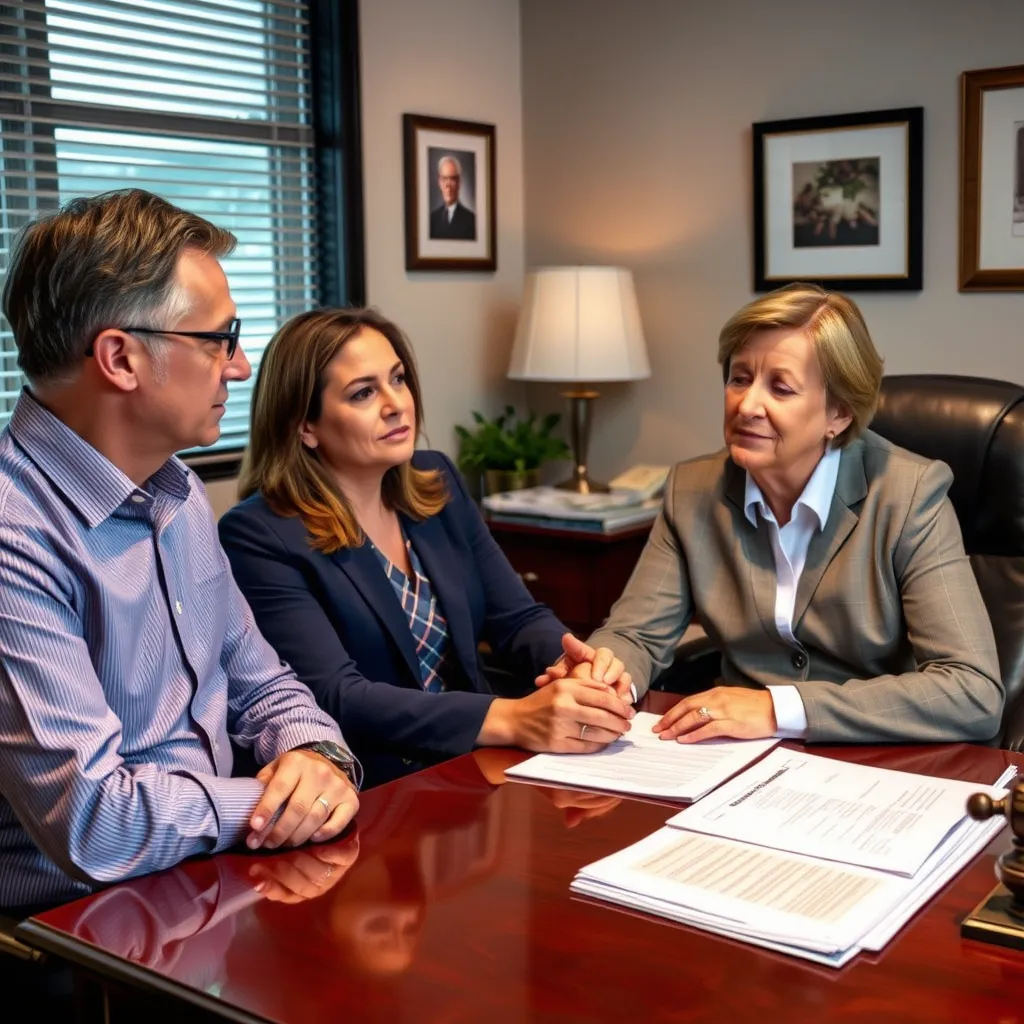
post divorce modification lawyer Manassas VA
What is post divorce modification
Post divorce modification refers to the legal process of changing terms established in your original divorce decree. When life circumstances change significantly after divorce, the original agreements may no longer serve the best interests of all parties involved. This legal procedure allows for adjustments to custody arrangements, child support obligations, spousal support payments, and sometimes property division terms.
The modification process begins with identifying what aspects of your divorce decree need adjustment. Common reasons include changes in income, employment status, health conditions, relocation, or children’s needs evolving over time. Each type of modification follows specific legal standards and requires different evidence to support the requested changes.
For custody modifications, courts focus on the child’s best interests. Changes might involve parenting time schedules, decision-making authority, or residential arrangements. Support modifications typically require showing financial changes that make current amounts unreasonable or unworkable. Property division modifications are generally more restrictive but may be possible in certain circumstances.
Legal professionals handle these cases by gathering necessary documentation, preparing petitions, and presenting evidence to demonstrate why modifications are warranted. The process involves filing proper paperwork with the court, serving notice to the other party, and potentially attending hearings to argue your position before a judge.
Blunt Truth: Modifications aren’t granted for minor inconveniences. Courts require proof of substantial, material changes that significantly impact the original agreement’s fairness or practicality.
How to modify your divorce agreement
Modifying your divorce agreement follows a structured legal process that begins with thorough documentation of changed circumstances. The first step involves identifying which specific provisions need adjustment and determining whether those changes meet legal standards for modification. Different types of modifications have different requirements – custody changes focus on children’s best interests while support modifications emphasize financial changes.
Once you’ve documented the changes, you must prepare and file a formal petition with the appropriate court. This legal document outlines what modifications you’re requesting and the reasons supporting those changes. Proper filing includes paying required fees and ensuring all forms comply with local court rules. After filing, you must legally serve notice to your former spouse, giving them opportunity to respond to your petition.
The evidence gathering phase is vital for successful modification. For financial changes, this includes pay stubs, tax returns, expense documentation, and proof of changed circumstances like medical bills or job loss notices. For custody modifications, evidence might include school records, medical reports, or documentation of scheduling conflicts. Organizing this evidence clearly strengthens your position.
Many modification cases involve negotiation before court hearings. Your attorney can engage in discussions with your former spouse’s counsel to reach mutually agreeable modifications without full court proceedings. If negotiations succeed, you can submit an agreed order to the court for approval. If not, you proceed to hearing where you present evidence and arguments before a judge.
Reality Check: Courts don’t modify agreements lightly. You need solid evidence showing why current terms no longer work and how proposed changes better serve everyone’s interests.
Can I modify child custody after divorce
Child custody modifications after divorce are legally possible when circumstances change substantially enough to affect children’s best interests. Courts approach custody modifications cautiously, recognizing that stability benefits children, but also acknowledging that life changes sometimes require adjustments to parenting arrangements. The legal standard requires demonstrating material changes in circumstances that justify modifying the original custody order.
Common situations that may warrant custody modifications include parental relocation, changes in work schedules that affect parenting time, children’s evolving needs as they grow older, safety concerns about a parent’s environment, or significant changes in a parent’s ability to provide care. The child’s own preferences may also become more influential as they reach appropriate ages, though courts consider many factors beyond just the child’s wishes.
The modification process begins with documenting how circumstances have changed since the original custody order. This includes gathering evidence like new work schedules, school records showing academic or behavioral changes, medical reports if health issues arise, or documentation of relocation plans. Evidence should clearly connect changed circumstances to how they affect the current custody arrangement’s practicality or the child’s wellbeing.
Legal professionals help prepare modification petitions that properly frame the requested changes in terms of children’s best interests. This involves not just showing what has changed, but also demonstrating how proposed modifications better serve the child’s needs. Courts look for solutions that maintain meaningful relationships with both parents when possible while addressing practical concerns.
Straight Talk: Custody changes require more than parental convenience. You need clear evidence showing current arrangements harm the child or have become genuinely unworkable due to substantial life changes.
Why hire legal help for modifications
Hiring legal help for post-divorce modifications provides essential guidance through a process with significant consequences for your family and finances. Legal professionals bring understanding of court requirements, evidence standards, and procedural rules that govern modification cases. Their experience helps identify which changes are legally supportable and how to present them effectively to the court.
Attorneys assist with proper documentation and evidence organization, which is vital for successful modifications. They know what types of evidence courts find persuasive for different modification requests and how to present that evidence clearly. This includes financial documentation for support changes, school and medical records for custody adjustments, and proper legal forms that comply with court requirements.
Legal representation also helps with negotiation aspects of modification cases. Many modifications can be resolved through agreement rather than court hearings, saving time and reducing conflict. Attorneys can engage in productive discussions with your former spouse’s counsel, working toward mutually acceptable solutions that meet legal standards while addressing practical concerns.
When court hearings become necessary, attorneys present your case professionally, following proper procedures and responding effectively to questions or challenges. They understand how to frame arguments in terms judges find compelling and can address counterarguments from the other side. This professional presentation increases the likelihood of favorable outcomes.
Blunt Truth: Attempting modifications without legal help risks procedural errors, weak evidence presentation, and missed opportunities for negotiation that could achieve better results with professional guidance.
FAQ:
What qualifies as substantial change for modifications?
Substantial changes include significant income shifts, job loss, relocation, health issues, or children’s needs evolving. Courts require changes that materially affect the original agreement’s fairness.
How long do modification processes take?
Timelines vary but typically take several months from filing to resolution. Simple agreed modifications may resolve faster than contested cases requiring court hearings.
Can I modify property division after divorce?
Property division modifications are generally more difficult than support or custody changes. Some circumstances like fraud or significant valuation errors might allow property adjustments.
What evidence do I need for support modifications?
Evidence includes current pay stubs, tax returns, expense documentation, proof of job changes, medical bills, or other financial changes affecting ability to pay or receive support.
Do both parents need to agree to custody changes?
Agreement simplifies the process but isn’t required. Courts can order modifications over objections if evidence shows changes serve the child’s best interests.
How often can I request modifications?
No set limit exists, but courts may view frequent requests skeptically. Wait for genuinely substantial changes rather than minor adjustments.
What if my former spouse moves out of state?
Interstate moves often require modifications. Courts consider how distance affects parenting time and may adjust schedules or decision-making arrangements.
Can modifications be temporary?
Some modifications can be temporary, addressing short-term situations like medical recovery or temporary job changes. Specify duration when requesting temporary adjustments.
What happens if I don’t follow current orders while seeking modification?
Continue following existing orders until modifications are approved. Violating current orders can negatively affect your modification request and lead to enforcement actions.
How much do modification proceedings cost?
Costs vary based on case challenge, attorney fees, court costs, and whether cases settle or require hearings. Many attorneys offer consultation to discuss potential costs.
Can child support be modified if income increases?
Yes, either parent can request modification if income changes significantly. Support amounts should reflect current financial circumstances of both parents.
What if my former spouse refuses to cooperate?
Courts can proceed with modifications despite non-cooperation. Proper service and court procedures allow cases to move forward even without agreement.
Past results do not predict future outcomes