
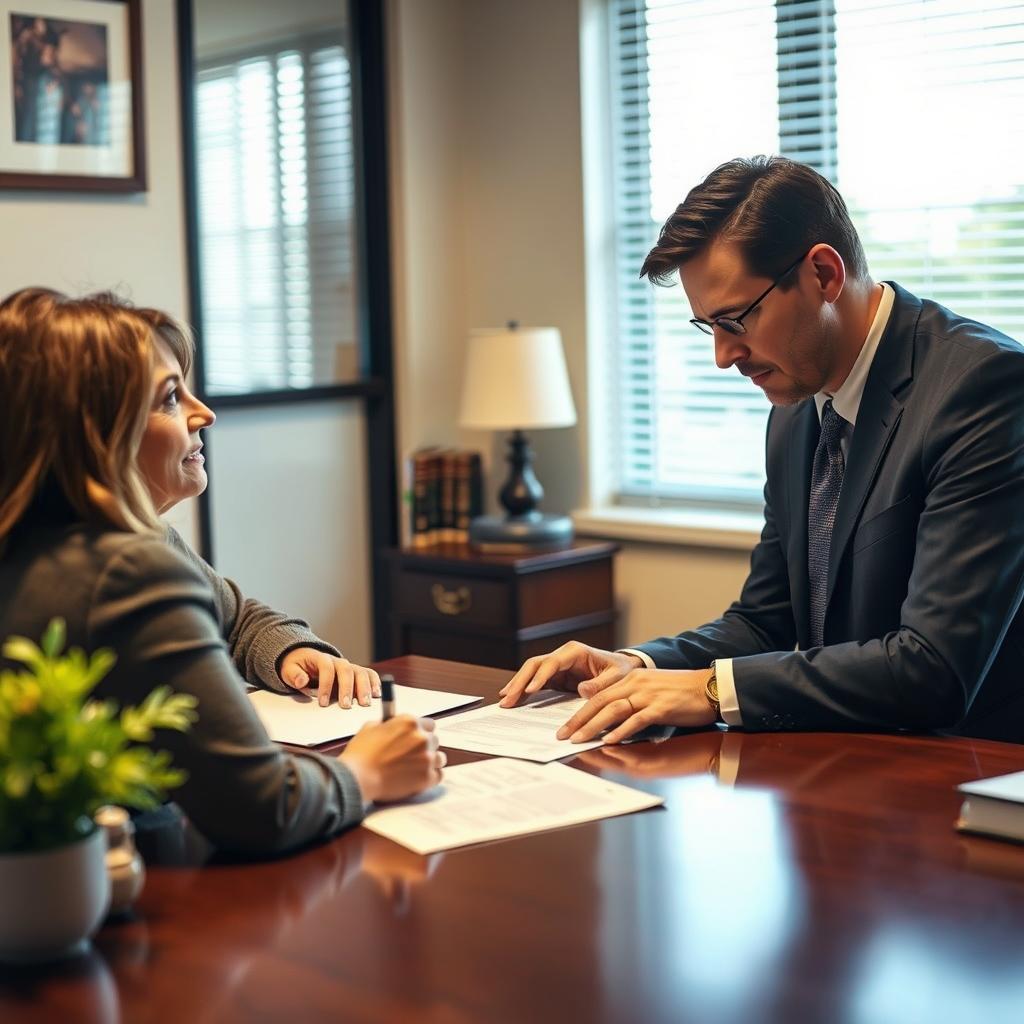
Post Divorce Enforcement Lawyer Colonial Heights, VA
A final divorce decree is often just the start of ongoing legal obligations. When a former spouse fails to pay court-ordered alimony, refuses to comply with a child custody arrangement, or does not transfer property as directed, post-divorce enforcement becomes necessary. India is not a signatory to the 1980 Hague Convention on Civil Aspects of International Child Abduction. In Colonial Heights, Virginia, enforcement proceedings are brought before the Colonial Heights Circuit Court for divorce-related matters and the Colonial Heights Juvenile and Domestic Relations (J&DR) District Court for child support, custody, and visitation issues. Mr. Sris and the firm’s Of Counsel attorneys assist clients who need to secure compliance with existing court orders. Understanding the enforcement tools available under Virginia law helps a party protect their rights and move forward. For a consultation on post-divorce enforcement in Colonial Heights, reach Law Offices Of SRIS, P.C. at (888) 437‑7747. Law Offices Of SRIS, P.C. – Advocacy Without Borders.
What Post Divorce Enforcement Means in Colonial Heights, Virginia
Colonial Heights is an independent city within the Twelfth Judicial District. Family law enforcement actions are heard in two courts: the Colonial Heights Circuit Court, located at 550 Boulevard, handles divorce decree enforcement, equitable distribution, spousal support, and property division issues; the Colonial Heights Juvenile and Domestic Relations District Court handles standalone custody, visitation, and child support enforcement. Both courts follow the statutory framework of Virginia Code Title 20.
Post‑divorce enforcement refers to the legal mechanisms available to compel a party to comply with a previously entered court order. When a divorce decree, separation agreement incorporated into a decree, or subsequent support order is violated, the aggrieved party may file a motion for a rule to show cause—asking the court to require the non‑complying spouse to explain why they should not be held in contempt. Under Virginia law, contempt can be civil (designed to coerce compliance) or criminal (punishing past disobedience). The court has the authority to award attorney fees, order the payment of arrears, and impose other remedies to enforce its orders.
The firm’s attorneys are familiar with the local procedures at the Colonial Heights Circuit Court and J&DR Court. Enforcement matters often involve reviewing financial records, tracking payments, and presenting evidence of a party’s ability to pay. Whether you need to collect unpaid alimony, enforce a property settlement agreement regarding the transfer of a retirement account through a Qualified Domestic Relations Order (QDRO), or address a custody‑order violation, a enforcement action proceeds under the supervision of the judge and with attention to the specific terms of your existing decree.
How Mr. Sris and the Firm’s Of Counsel Attorneys Handle Post Divorce Enforcement Cases
When a client contacts the firm about a possible enforcement matter, the first step is a thorough review of the existing divorce decree, separation agreement, and any subsequent orders. The attorney identifies the specific provisions that are being violated and determines the most appropriate enforcement path. In many situations, a demand letter to the other party outlines the violation and requests compliance. If that effort does not produce results, a formal motion is filed with the court.
Virginia courts have several tools to compel compliance. On a motion for a show cause summons, the court may hold the violator in contempt and impose sanctions, order a wage garnishment or a lien on property, enter a money judgment for unpaid amounts, or require the posting of a bond to secure future payments. In cases involving a change in circumstances—such as a job loss or relocation—a party may instead need to seek a modification of the existing order. Modification and enforcement can overlap, and the firm handles both types of post‑divorce matters. Throughout the process, Mr. Sris and the firm’s Of Counsel attorneys represent clients at all court hearings and work to bring the matter to a timely resolution.
About Mr. Sris and the Firm’s Of Counsel Attorneys
Mr. Sris is Owner and Founder of Law Offices Of SRIS, P.C., a multi‑state law firm practicing since 1997. A former prosecutor, Mr. Sris brings a practical understanding of courtroom advocacy to each matter. He testified before the Virginia House Courts of Justice Committee in support of 2019 HB 635 (chief patron Del. David Bulova), reflecting his engagement with Virginia law. Mr. Sris is admitted to practice in Virginia, Maryland, the District of Columbia, New Jersey, and New York.
The firm’s Of Counsel attorneys bring extensive experience in family law proceedings across the Commonwealth. Working together, Mr. Sris and the firm’s Of Counsel attorneys handle post‑divorce enforcement matters in Colonial Heights and throughout Virginia. The firm represents clients who need to enforce court orders concerning alimony, child support, custody, and property division.
Frequently Asked Questions
What is post‑divorce enforcement in Virginia?
Post‑divorce enforcement is the legal process of compelling a former spouse to comply with a court‑ordered divorce decree or separation agreement. When a party fails to pay alimony, transfer property, or follow custody arrangements, the other party can ask the court to intervene. Enforcement may include contempt proceedings, wage garnishment, or entry of a money judgment. The goal is to secure the performance that was originally ordered.
How does a court enforce a divorce decree in Colonial Heights?
A Virginia court enforces a divorce decree by issuing a show cause order requiring the non‑complying party to appear and explain why they should not be held in contempt. If the court finds a violation, it may impose sanctions, award attorney fees, order the payment of arrears, or direct a wage garnishment. The Colonial Heights Circuit Court has jurisdiction over decree enforcement for divorce‑related issues, while the J&DR Court handles child‑support and custody enforcement.
What can I do if my former spouse stops paying alimony?
You can file a motion with the court to enforce the spousal support order. The court may hold your former spouse in contempt and order payment of all past‑due amounts plus interest and attorney fees. If your former spouse cannot pay due to changed financial circumstances, a modification of the support order may be the appropriate remedy. An attorney can help you determine which route is best for your situation.
How can a court enforce child custody or visitation orders?
The Juvenile and Domestic Relations District Court can enforce custody and visitation orders through contempt proceedings or by modifying the existing order if a material change in circumstances has occurred. The court’s primary consideration is the best interests of the child. In some cases, the court may order make‑up visitation time or require the non‑compliant parent to pay the other party’s attorney fees.
Can a divorce decree be modified in Virginia after it is entered?
Yes, a Virginia court can modify provisions regarding spousal support, child support, custody, and visitation if there has been a material change in circumstances. Property division is generally final and not modifiable. If you believe a modification is warranted, you must file a petition with the court and present evidence of the changed circumstances. Enforcement and modification motions can sometimes be brought together in the same proceeding.
Do I need a lawyer for post‑divorce enforcement in Colonial Heights?
You are not required to have a lawyer, but an experienced family law attorney can help you navigate court procedures and improve the likelihood of a successful outcome. Preparing a show cause motion, gathering financial evidence, and presenting a case at a contempt hearing involve legal rules that may be unfamiliar to a non‑attorney. The firm’s attorneys regularly appear in Colonial Heights courts and can guide you through each step.
If you have questions about your specific situation, reach Mr. Sris and the firm’s Of Counsel attorneys at (888) 437‑7747 for a consultation.
Explore our firm’s family law resources:
Family Law Lawyer Fairfax County, VA
Family Law Lawyer Prince William County, VA
Family Law Lawyer Manassas City, VA
Family Law Lawyer Richmond, VA
Family Law Lawyer Virginia
Additional information is available from official Virginia sources:
Virginia Code Title 20 (Domestic Relations) |
Colonial Heights Circuit Court |
Virginia Judicial System
Attorney advertising. Prior results do not guarantee a similar outcome.
Case results depend on a variety of factors unique to each case.