
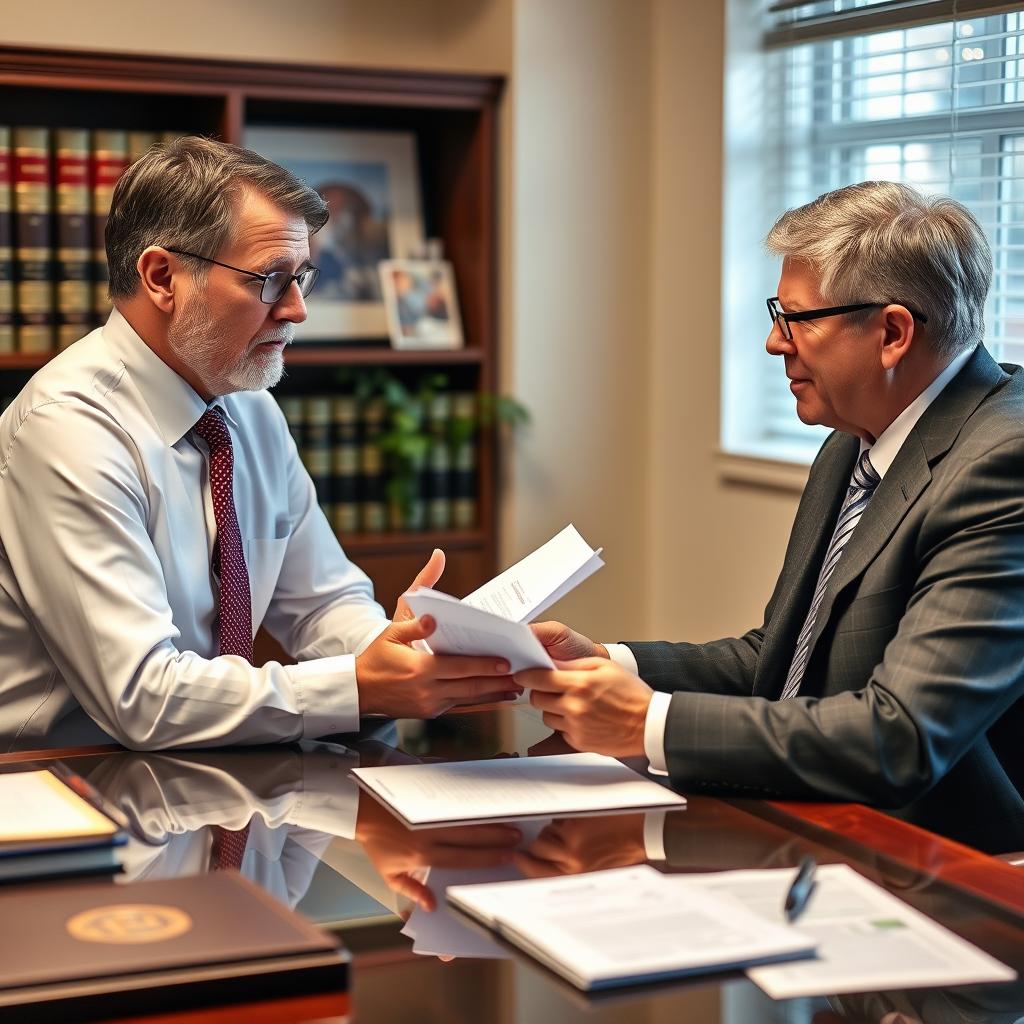
Military Divorce Lawyer York County, VA
You’re stationed at Naval Weapons Station Yorktown, serving your country, when your spouse tells you the marriage is over. The stress of deployment, relocation, and the demands of military life have taken their toll. Now you face a divorce that involves not just custody and support, but the division of your military pension, Thrift Savings Plan, and years of benefits—issues most civilian divorce lawyers see only occasionally. You need an attorney who understands both Virginia family law and the federal statutes that protect service members. Mr. Sris and his Of Counsel team at Law Offices Of SRIS, P.C. Concentrate in military divorce representation throughout York County, Virginia, and can help you navigate the transition while safeguarding your career. To discuss your circumstances, call (888) 437-7747. Law Offices Of SRIS, P.C. – Advocacy Without Borders.
Military Divorce in York County, Virginia: What You Need to Know
Military divorce in York County sits at the intersection of Virginia equitable distribution law and federal statutes like the Servicemembers Civil Relief Act (SCRA) and the Uniformed Services Former Spouses’ Protection Act (USFSPA). The county’s location in the Hampton Roads region—home to Langley Air Force Base, Fort Eustis, Naval Station Norfolk, and Coast Guard Training Center Yorktown—means the local courts handle a steady volume of service-member divorces. The York County Circuit Court, located at 300 Ballard Street, Yorktown, VA 23690, has jurisdiction over all divorce, equitable distribution, and spousal support matters. Standalone custody, visitation, and child support cases are heard in the York County Juvenile and Domestic Relations District Court.
Virginia is an equitable distribution state, not a community property state. Under Va. Code § 20-107.3, a judge divides marital property fairly—but not necessarily equally—after weighing eleven statutory factors. Military retired pay is marital property subject to division, provided a Virginia court has jurisdiction over the service member. The court will also divide Thrift Savings Plan accounts, Survivor Benefit Plan elections, and any other benefits accrued during the marriage. No-fault divorce is available after a separation of one year, or six months if there are no minor children and the parties have signed a separation agreement (Va. Code § 20-91). Fault grounds such as adultery, cruelty, or desertion may shorten the waiting period. The SCRA, codified at 50 U.S.C. § 3931, allows a service member to request a stay of divorce proceedings if military duties materially affect the ability to participate, ensuring that one does not lose rights while deployed.
How Mr. Sris and His Of Counsel Handle Military Divorce Cases
Military divorce demands more than general family law knowledge—it requires an understanding of the interplay between state equitable distribution rules and the federal benefit systems that govern pay and retirement. Mr. Sris and his Of Counsel team begin by identifying every military benefit accrued during the marriage, from basic pay and allowances to the service member’s pension and any continuation pay or bonuses. They then work with clients to negotiate a separation agreement that addresses spousal support, child custody, and a comprehensive property division plan that respects the federal rules for dividing military retirement.
When an agreement cannot be reached, Mr. Sris and his Of Counsel advocate in the York County Circuit Court, presenting evidence of the marriage’s financial picture while accounting for the service member’s future career prospects. The USFSPA (10 U.S.C. § 1408) allows state courts to divide military retired pay as marital property, but it imposes a “10/10 rule” for direct payment from the Defense Finance and Accounting Service: the marriage must have lasted at least ten years overlapping ten years of creditable military service. Even if the 10/10 threshold is not met, the former spouse can still receive a share of the pension through a court-ordered direct assignment or property settlement note. Mr. Sris and his Of Counsel draft the necessary military qualifying court orders to implement the division and protect the non-service spouse’s rights. Throughout the process, they remain mindful of the SCRA’s provisions to avoid any default judgment while the service member is unavailable.
About Mr. Sris and His Of Counsel Team
Mr. Sris, Owner and Founder of Law Offices Of SRIS, P.C., has concentrated his practice in family law for decades and is a former prosecutor. He brings a thorough understanding of how statutes like Va. Code § 20-107.3 apply in complex divorce cases, including those involving high-value assets and military benefits. Mr. Sris testified before the Virginia House Courts of Justice Committee in support of 2019 HB 635 (chief patron Del. David Bulova), which revised subsection (g) of § 20-107.3 to clarify procedures for dividing retirement plans in divorce—a change directly relevant to military pension division. His Of Counsel team includes attorneys with backgrounds in law enforcement and extensive litigation experience, collectively bringing over 120 years of combined legal experience. Results may vary. Mr. Sris and his Of Counsel have documented 4,739+ case results across all practice areas since 1997.
Frequently Asked Questions
Can I get divorced while I am deployed?
Yes, you can file for divorce while deployed, but the Servicemembers Civil Relief Act (SCRA) allows you to request a stay of the proceedings if your military duties materially affect your ability to participate in the case. The stay pauses the litigation until you can be present or adequately participate. Your attorney can also arrange for remote hearings or depositions in many situations. It is critical to act quickly after being served with divorce papers so protections are not waived.
How is a military pension divided in a Virginia divorce?
Virginia treats the marital share of a military pension as property subject to equitable distribution, and the court can award a portion to the non-service spouse under the Uniformed Services Former Spouses’ Protection Act (USFSPA). The marital share is typically calculated by dividing the number of years of marriage overlapping military service by the total years of service, then awarding a percentage of that fraction. Direct payment from DFAS requires at least ten years of marriage overlapping ten years of service, but the pension can still be divided through other court orders. Survivor Benefit Plan elections should also be addressed.
What happens to child custody if one parent is being deployed?
Virginia law requires the court to consider deployment or potential deployment as a factor in custody and visitation decisions, but deployment alone does not automatically change custody. Parents can create a family care plan that designates a temporary custodian during deployment, and courts often approve agreements that allow the deployed parent to maintain contact through video calls and leave periods. Under Va. Code § 20-124.3, the court will evaluate the child’s best interests, weighing the parent’s history of caregiving and the military parent’s ability to resume custody upon return. India is not a signatory to the 1980 Hague Convention on Civil Aspects of International Child Abduction.
Do I need a lawyer who concentrates specifically in military divorce?
While any licensed Virginia family law attorney can handle a divorce, the unique interaction of state property division law with federal military statutes makes it prudent to work with a lawyer experienced in military divorce. Understanding the nuances of military retirement division, SCRA stays, and benefits like the Survivor Benefit Plan can prevent costly mistakes. An experienced attorney can also coordinate with military legal assistance offices when appropriate and ensure that the final decree properly addresses all service-related assets.
Can I file for divorce in York County if my spouse is stationed out of state?
Yes, if you meet Virginia’s residency and domicile requirements—at least six months of bona fide residence and domicile in the Commonwealth (Va. Code § 20-97)—you may file in York County regardless of where your spouse is stationed. The SCRA may delay the case if serving the petition is difficult, but a service member can waive the stay or accept service voluntarily. Your attorney can pursue alternative service methods, such as publication, when necessary to move the case forward.
Related pages: Family Law Lawyer James City County | Family Law Lawyer Williamsburg | Family Law Lawyer Fairfax County | Family Law Lawyer Fairfax (City)
Official legal resources: Virginia Code Title 20 (Domestic Relations) | United States Code (SCRA, USFSPA) | Virginia Judicial System
Attorney advertising. Prior results do not guarantee a similar outcome.
Case results depend on a variety of factors unique to each case.