
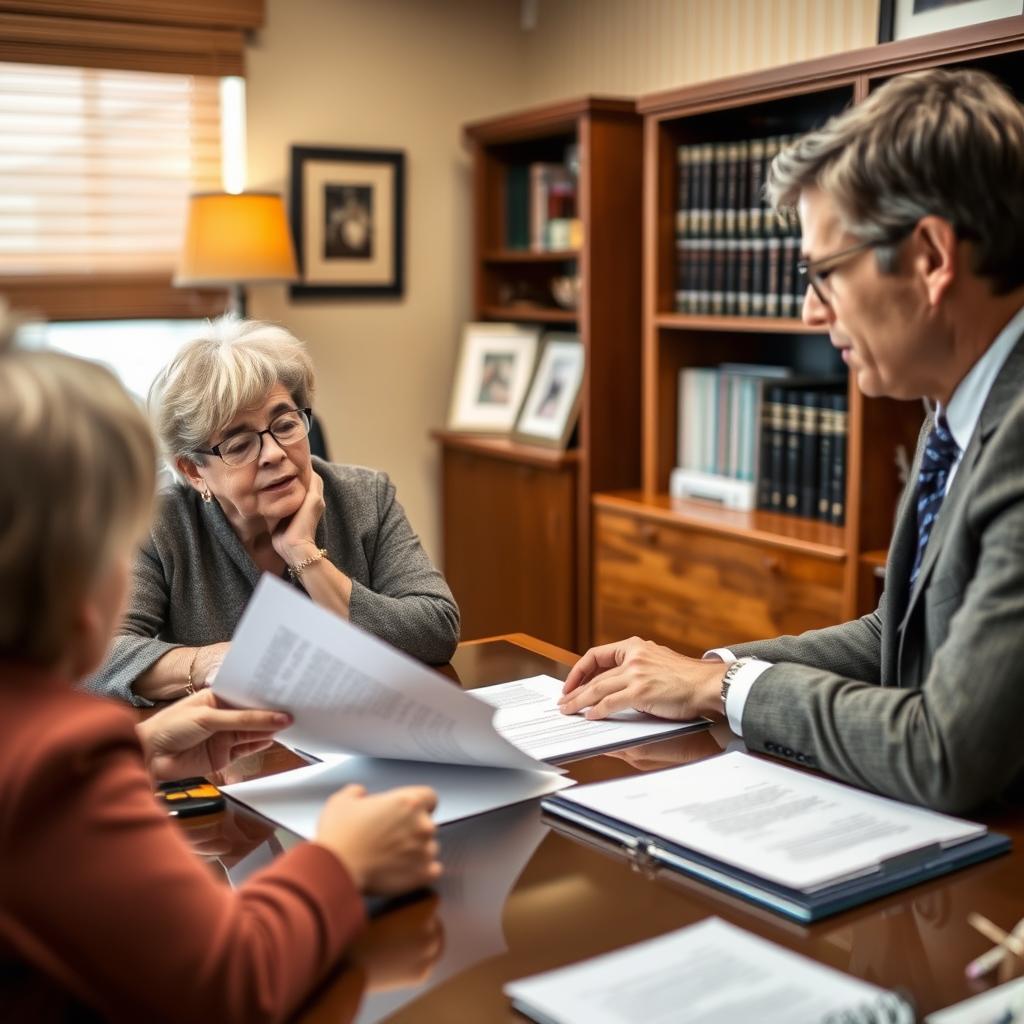
Kinship Guardianship Lawyer Powhatan County, VA
Kinship guardianship offers a legal path for relatives or close family friends to step in and care for a child or dependent adult when biological parents are unable to do so. In Powhatan County, Virginia, families navigating this process turn to an experienced kinship guardianship lawyer for guidance through the local court system. Whether you are a grandparent seeking stability for a grandchild, an aunt or uncle advocating for a niece or nephew, or an adult needing care from a family member, understanding Virginia’s guardianship laws is critical. Law Offices Of SRIS, P.C. Concentrates its multi‑state family law practice on assisting families in Powhatan County with these sensitive matters. Our Richmond Location represents clients before the Powhatan County Juvenile and Domestic Relations District Court and the Powhatan County Circuit Court, the two courts that handle guardianship proceedings. From filing the initial petition to representing your interests in court, Mr. Sris and the firm’s Of Counsel attorneys bring extensive combined legal experience to each kinship guardianship matter. For help with your case, reach Law Offices Of SRIS, P.C. at (888) 437-7747. Law Offices Of SRIS, P.C. – Advocacy Without Borders.
What Kinship Guardianship Means in Powhatan County
Kinship guardianship in Virginia allows a relative or another person with a significant connection to the child or adult to obtain legal authority to provide care without permanently terminating parental rights. For minors, the juvenile and domestic relations district court holds jurisdiction under Virginia Code Title 16.1, while adult guardianships generally proceed in the circuit court under Title 64.2. In Powhatan County, these matters are heard at the Powhatan County Juvenile and Domestic Relations District Court or the Powhatan County Circuit Court, both located at 3834 Old Buckingham Road, Suite C, Powhatan, VA 23139. The county is part of the Twelfth Judicial District and lies west of Richmond, a rural community that the firm serves from its Richmond Location.
The court’s primary consideration in a child‑guardianship case is the best interests of the child. A petitioner must demonstrate that the parents are unable or unwilling to adequately care for the child and that the proposed guardian is suitable. The process requires filing a petition with the court, providing notice to interested parties, and proving at a hearing that guardianship is necessary. The court may order a home study, background checks, or a guardian ad litem investigation. An experienced lawyer helps prepare the petition, gather the required evidence, and present a clear case for guardianship, ensuring compliance with local procedures and statutory requirements.
How Mr. Sris and the Firm’s Of Counsel Attorneys Handle Kinship Guardianship Cases
Handling a kinship guardianship matter begins with a thorough case assessment. The attorney meets with the potential guardian to understand the family situation, review any prior court involvement, and evaluate whether the facts support a petition for guardianship under Virginia law. If the matter involves a child, the lawyer may coordinate with the local Department of Social Services or communicate with the child’s parents to explore the possibility of obtaining consent, which can streamline the process. The attorney then drafts the petition and compiles supporting documentation, such as affidavits, medical records, and financial statements, tailored to meet the evidentiary requirements of the Powhatan County court.
When the case proceeds to a hearing, the firm’s Of Counsel attorneys work collaboratively to present a strong case focused on the needs of the vulnerable person. Mr. Sris, a former prosecutor, brings a practiced understanding of how evidence and testimony are evaluated in court. The legal team prepares witnesses, cross‑examines opposing witnesses when necessary, and argues why guardianship serves the best interests of the child or adult. Throughout the process, the firm maintains open communication with the client, explaining each step and providing realistic expectations. The goal is to achieve a favorable resolution while minimizing conflict and preserving family relationships. Because every matter is unique, the approach is always customized to the client’s circumstances.
About Mr. Sris and the Firm’s Of Counsel Attorneys
Mr. Sris, Owner and Founder of Law Offices Of SRIS, P.C., is a former prosecutor who established the firm in 1997. He is admitted to practice in Virginia, Maryland, the District of Columbia, New Jersey, and New York. His background includes testifying before the Virginia House Courts of Justice Committee in support of 2019 HB 635 (chief patron Del. David Bulova), reflecting his commitment to Virginia family law. Mr. Sris brings decades of legal experience to each matter, helping families navigate guardianship proceedings with confidence and a thorough grasp of court procedures.
The firm’s Of Counsel attorneys complement Mr. Sris’s practice with additional backgrounds in family law, child welfare, and litigation. Together, they have extensive combined legal experience. They work closely with clients to address both the legal and emotional aspects of guardianship matters. While every case is unique, the team’s collaborative approach ensures that each client receives focused attention and a strategy tailored to their circumstances. Law Offices Of SRIS, P.C. serves clients throughout Powhatan County from its Richmond Location, and consultations are available by appointment.
Frequently Asked Questions
How does a lawyer handle a kinship guardianship case in Powhatan County?
A kinship guardianship lawyer in Powhatan County guides the petitioner through the court process, prepares documents, gathers evidence, and advocates at hearings. The attorney first meets with the potential guardian to assess eligibility. If the case involves a child, the lawyer works with social services or parents to ensure proper notice. The petition and supporting materials, such as home studies, are filed with the court. At the hearing, the attorney presents the case to the judge, demonstrating why guardianship serves the best interests of the child or adult. The lawyer also helps the client understand each step and ensures all legal requirements are met.
What should I do if I am considering seeking kinship guardianship in Powhatan County?
If you are considering seeking kinship guardianship, first consult an experienced family law attorney to evaluate your situation and understand the legal requirements. The attorney will assess whether you have standing to petition and whether the circumstances meet the court’s criteria. You will need to gather information about the person in need, your relationship, and the reasons the parents cannot care for them. The lawyer can help prepare the necessary documents and, if possible, obtain parental consent to streamline the process. Prompt action is important for the safety of the vulnerable individual. The attorney can also advise you on what to expect at the hearing.
Who can be a kinship guardian under Virginia law?
Under Virginia law, a kinship guardian is usually a relative or a person with a significant connection to the child or adult who is willing and able to provide care. The court examines the petitioner’s fitness and ability to meet the person’s needs. For minors, the best interests of the child guide the decision. The petitioner must show that the parents are unable or unwilling to care for the child. For adult guardianships under Title 64.2, the court evaluates the individual’s incapacity. A familial relationship is not mandatory, but relatives commonly file petitions. The court may require background checks or home studies.
How long does a kinship guardianship case take in Powhatan County?
A kinship guardianship case timeline in Powhatan County varies based on case complexity, court scheduling, and whether it is contested. Uncontested cases where all parties agree typically move faster. Contested cases with opposition from a parent can take longer because of evidentiary hearings. The court’s calendar and availability of judges and guardians ad litem also affect timing. An experienced attorney can help avoid delays by properly filing all documents and addressing issues early. For a case‑specific estimate, consult with a lawyer.
What is the difference between kinship guardianship and adoption?
Kinship guardianship grants legal authority over the child without permanently terminating parental rights, while adoption permanently severs the parent‑child relationship and transfers all rights to adoptive parents. In guardianship, parents may keep some residual rights and the arrangement can be modified. Adoption is final and ends parental rights forever. Guardianship may be chosen to preserve family ties or if reunification is possible. Adoption offers greater permanency. The decision depends on family circumstances and long‑term goals.
Do I need a lawyer for a kinship guardianship case in Virginia?
You are not legally required to have a lawyer for a kinship guardianship case, but representation is strongly recommended because the process involves complex legal documents and court procedures. An attorney helps navigate statutory requirements, draft petitions correctly, and prepare for hearings. If the case is contested and the other side has a lawyer, you are at a disadvantage without one. A lawyer can also advise on alternative options such as custody or adoption. Working with an experienced family law attorney increases the likelihood of a positive outcome that serves the child’s or adult’s best interests.
For more information, review Virginia’s guardianship statutes: Virginia Code Title 16.1 (Juvenile and Domestic Relations) and Virginia Code Title 64.2 (Guardianship and Fiduciaries). For court information, visit the Virginia Courts website.
Attorney advertising. Prior results do not guarantee a similar outcome.
Case results depend on a variety of factors unique to each case.