
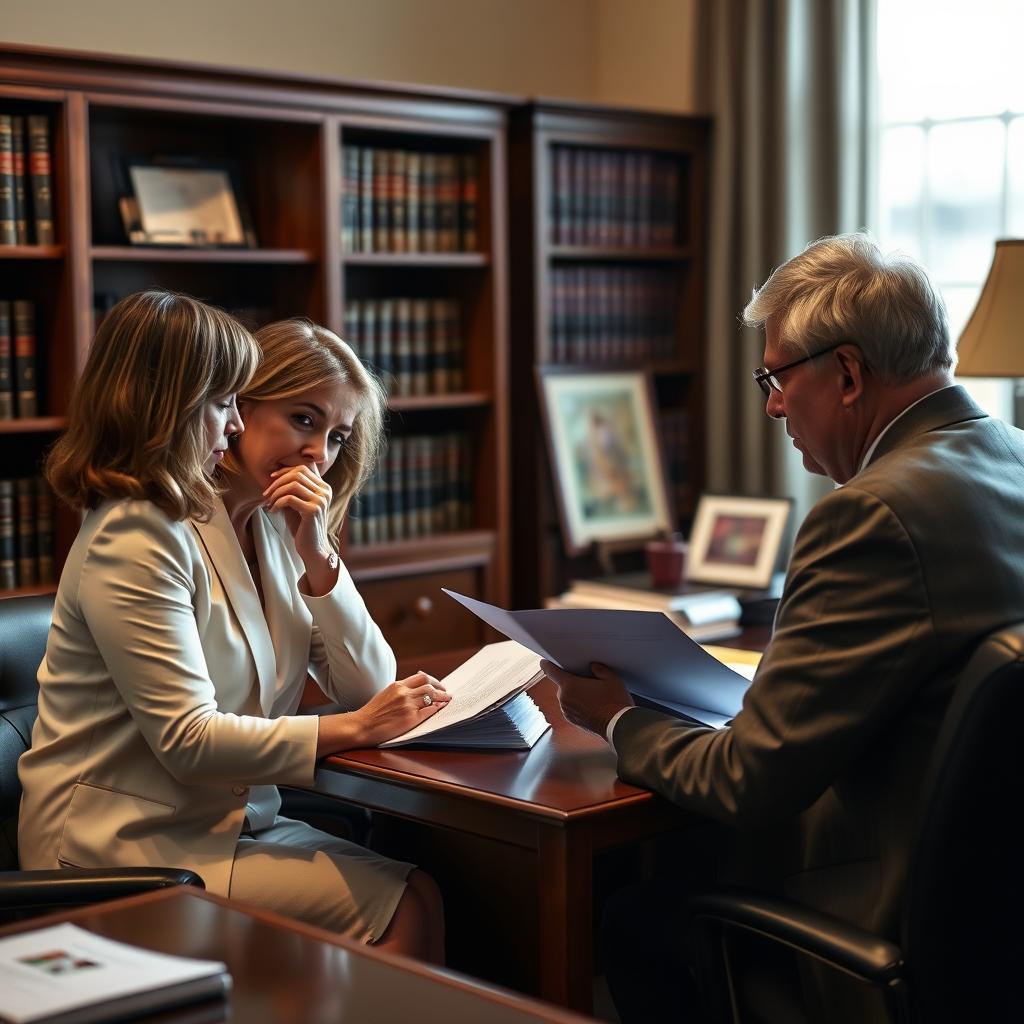
Fault Based Divorce Lawyer Fauquier County, VA
When a marriage in Fauquier County, Virginia, breaks down because of one spouse’s serious misconduct, the law allows the other spouse to file for a fault based divorce. Under Va. Code § 20-91, recognized fault grounds include adultery, cruelty, willful desertion for one year, and a felony conviction that results in imprisonment for more than one year. Unlike a no-fault proceeding—which requires a six‑month or one‑year separation—a fault based divorce eliminates the waiting period and may influence how marital property is divided and whether spousal support is awarded. The Fauquier County Circuit Court, located at 6 Court Street in Warrenton, has exclusive jurisdiction over divorce cases, while the Juvenile and Domestic Relations District Court handles separate custody, visitation, and support matters. Because proving fault demands clear evidence and a firm grasp of Virginia equitable‑distribution rules, a spouse confronting a fault‑based divorce or defending against one benefits from experienced guidance. Mr. Sris, Owner and Founder of Law Offices Of SRIS, P.C., concentrates the firm’s family law practice on complex divorces, including fault‑based cases, from the firm’s Fairfax location, which serves clients throughout Fauquier County. To request a consultation, call (888) 437-7747. Law Offices Of SRIS, P.C. – Advocacy Without Borders.
What Fault Based Divorce Means in Fauquier County
Virginia’s divorce statute, Va. Code § 20-91, allows a spouse to seek a divorce from the bonds of matrimony on fault grounds without serving a multi‑month separation period. In Fauquier County, the Circuit Court hears all divorce complaints, including those based on adultery, cruelty, desertion, or a felony conviction. A plaintiff who alleges fault must present evidence—documentary records, witness testimony, or electronic communications—that is sufficient to prove the alleged misconduct. Virginia also requires that at least one corroborating witness testify in support of the grounds, even when the divorce is uncontested. A fault based divorce often involves heightened emotional tension and contentious discovery, making it important to work with an attorney who knows how to build a credible case while protecting the client’s privacy and interests.
Because Virginia is an equitable‑distribution state, fault can be one of the 11 factors the court weighs under Va. Code § 20‑107.3 when dividing marital property and determining spousal support. For example, adultery may bar an adulterous spouse from receiving spousal support entirely, and cruelty or desertion can affect the overall fairness analysis. The Fauquier County Circuit Court sits at 6 Court Street, Warrenton, VA 20186, and follows the standard Virginia procedural rules for discovery, pendente lite relief, and trial. A spouse who decides to pursue a fault‑based divorce should anticipate the need for thorough preparation, as the final decree can have long‑term consequences for property rights, support obligations, and even future modification opportunities.
How Mr. Sris and His Of Counsel Handle Fault Based Divorce Cases
Mr. Sris and his Of Counsel approach a fault based divorce by first carefully evaluating the factual foundation of the allegations. They work with clients to gather relevant evidence—financial records, communication logs, and witness statements—and identify the most suitable fault ground under Virginia law. In cases where fault is disputed, the team prepares for trial by organizing the evidence, consulting forensic accountants when high‑asset valuation is needed, and drafting motions to compel discovery if necessary. Throughout the process, they remain mindful of the emotional toll that fault litigation can take and strive to present the case in a professional, discreet manner that respects the client’s goals.
Settlement discussions are always explored, but when a trial is unavoidable, Mr. Sris and his Of Counsel leverage their combined courtroom experience to present a clear, organized narrative to the judge. They have handled matters involving business‑ownership interests, retirement‑plan division, and international assets in the context of fault‑based divorce, always staying current with the latest developments in Virginia equitable‑distribution law. The firm’s familiarity with the Fauquier County Circuit Court’s procedures helps clients avoid procedural missteps and focus on the substantive issues that will shape their post‑divorce lives.
About Mr. Sris and His Of Counsel Team
Mr. Sris founded Law Offices Of SRIS, P.C. in 1997 and has concentrated his practice on family law, criminal defense, and immigration for over 28 years. A former prosecutor, Mr. Sris brings a trial‑seasoned perspective to fault based divorce litigation, understanding how to evaluate evidence, challenge opposing testimony, and present a compelling case to the court. He appeared before the Virginia House Courts of Justice Committee in support of 2019 HB 635 (chief patron Del. David Bulova), a bill that updated Virginia’s equitable‑distribution statute, reflecting his deep engagement with the legal issues that affect divorcing families. Mr. Sris keeps his personal caseload manageable so that he can provide focused attention to each matter he accepts.
The family law team also benefits from the contributions of several Of Counsel attorneys who practice in related areas. Collectively, Mr. Sris and his Of Counsel bring over 120 years of combined legal experience and have achieved 4,739+ documented firm-wide results. Results may vary. The firm has documented 73 case results across all practice areas in Fauquier County, reflecting a 97% favorable outcome rate. When you engage the firm, you work with legal professionals committed to thorough preparation and informed advocacy throughout your fault based divorce proceeding.
Frequently Asked Questions
What are the fault grounds for divorce in Virginia?
Virginia law recognizes adultery, cruelty, willful desertion for one year, and a felony conviction resulting in imprisonment for more than one year as fault grounds for divorce under Va. Code § 20-91. Adultery is a per‑se fault ground that can be asserted immediately; cruelty requires proof of reasonable apprehension of bodily harm; desertion must be willful and continuous for a full year; and the felony ground applies when the convicted spouse has been sentenced to incarceration for more than twelve months. Each ground carries its own evidentiary requirements, and a judge in the Fauquier County Circuit Court will determine whether the evidence meets the statutory standard.
How does a fault based divorce differ from a no‑fault divorce in Fauquier County?
A fault based divorce alleges that the other spouse’s misconduct caused the marriage to end, while a no‑fault divorce rests on a separation period without proof of wrongdoing. In a no‑fault case, the couple must live apart for six months (with a signed separation agreement and no minor children) or one year under Va. Code § 20‑91(9). A fault‑based divorce eliminates that waiting period and may affect how the court distributes marital property and awards spousal support. Because fault must be proven, these cases typically involve more discovery, depositions, and trial preparation than an uncontested no‑fault divorce.
Can adultery affect spousal support in a Virginia divorce?
Yes, adultery can bar a spouse from receiving spousal support and may influence the equitable distribution of marital property. Under Virginia law, a court cannot award spousal support to a spouse who has committed adultery, unless the denial would create a manifest injustice. Even when support is not barred, the court may weigh the adultery as a factor when dividing the marital estate under Va. Code § 20‑107.3. A spouse who believes adultery is a factor should preserve relevant evidence and discuss the potential impact with experienced counsel early in the case.
Do I need a lawyer to file a fault based divorce in Fauquier County?
You are not legally required to hire a lawyer, but fault based divorces involve contested evidentiary hearings, complex property‑division rules, and the potential for permanent financial consequences that make experienced legal guidance important. Proving a fault ground often demands documentary evidence, electronic discovery, and witness preparation—tasks that can be overwhelming for a pro se litigant. An attorney can help you evaluate whether fault is provable, what relief you may be entitled to, and how to present your case effectively in the Fauquier County Circuit Court. If you are the spouse defending against a fault allegation, counsel can challenge the evidence and protect your rights.
What is the process for filing a fault based divorce in Fauquier County?
The divorce complaint is filed in the Fauquier County Circuit Court, and the plaintiff must prove the fault ground through evidence and testimony. After filing, the defendant is served with the complaint and has an opportunity to respond. The parties may engage in discovery—requests for documents, interrogatories, and depositions—to gather evidence. If temporary orders are needed for custody, support, or use of the marital home, a pendente lite hearing can be requested. The case proceeds to trial unless the parties settle. At trial, the judge will determine whether fault has been proved and will decide property division, support, and related issues under Virginia’s equitable‑distribution framework.
Internal resources:
- Family law lawyer Fairfax County, VA
- Family law lawyer Prince William County, VA
- Family law lawyer Loudoun County, VA
- Family law lawyer Stafford County, VA
- Family law lawyer Arlington County, VA
Virginia primary sources:
Virginia Code Title 20 – Domestic Relations ·
Fauquier County Circuit Court
Attorney advertising. Prior results do not guarantee a similar outcome.
Results may vary.
Case results depend on a variety of factors unique to each case.