
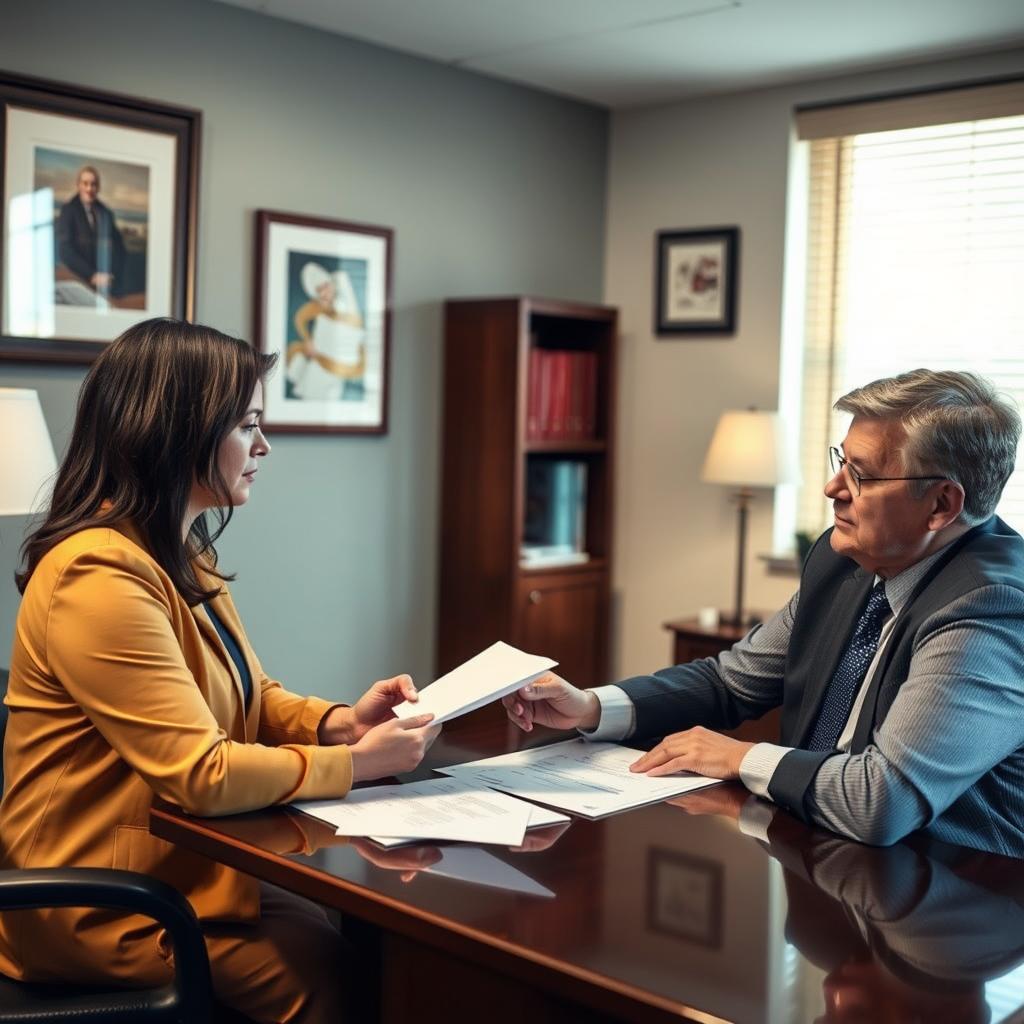
Isle of Wight County Family Law Lawyer — How Can We Protect Your Family?
Family law matters in Isle of Wight County are governed by Virginia statutes, including Va. Code § 20-107.3 for equitable distribution. Law Offices Of SRIS, P.C. provides full representation for divorce, custody, and support cases. Our firm has 4,739+ documented results firm-wide across VA, MD, NJ, NY, and DC. We handle the details of your case with a case-specific approach.
Virginia Family Law Statutes
Virginia family law covers legal issues arising from family relationships. Key statutes include Va. Code § 20-91 for divorce grounds, Va. Code § 20-124.2 for child custody factors, and Va. Code § 20-107.1 for spousal support. These laws provide the framework for resolving disputes in the Isle of Wight County Circuit Court. Law Offices Of SRIS, P.C. was founded in 1997 by a former prosecutor.
Last verified: March 2026 | Isle of Wight County Circuit Court | Virginia General Assembly
Official Legal Resources
For the full text of Virginia laws, visit the Virginia General Assembly website (law.lis.virginia.gov). The Virginia Judicial System website (vacourts.gov) provides court forms, rules, and local Isle of Wight County Circuit Court information.
Isle of Wight County Family Court Process
Family law cases in Isle of Wight County are heard in the Circuit Court. The process involves filing pleadings, discovery, and often mediation. Local rules may affect timelines.
- File a complaint or petition with the Isle of Wight County Circuit Court Clerk’s Office.
- Serve the other party with the filed documents according to Virginia rules.
- Participate in discovery, which may include financial disclosures and depositions.
- Attend any court-ordered mediation or settlement conferences.
- Prepare for and attend final hearings or trial if no agreement is reached.
Family Law Case Considerations
In Isle of Wight County, family law cases involve significant personal and financial consequences, including asset division, support obligations, and parenting time decisions.
| Matter | Legal Standard | Primary Considerations | Potential Outcomes |
|---|---|---|---|
| Divorce | Fault or No-Fault | Grounds, residency, property division | Dissolution of marriage, equitable distribution |
| Child Custody | Best Interests of the Child | Parenting plans, visitation schedules | Legal & physical custody orders |
| Child Support | Virginia Guidelines | Income, healthcare, childcare costs | Monthly support obligation |
| Spousal Support | Need & Ability to Pay | Marital standard of living, duration | Temporary or permanent support |
Results may vary. Each case depends on unique facts and circumstances.
Our Family Law Experience
Law Offices Of SRIS, P.C. was founded in 1997. Our attorneys have 120+ years of combined legal experience. We have achieved 4,739+ case results firm-wide. Mr. Sris personally amended Va. Code § 20-107.3, Virginia’s equitable distribution statute. Our tagline is: “Global advocacy. Local precision.”
Frequently Asked Questions
What are the grounds for divorce in Virginia?
Virginia allows both fault and no-fault divorce. No-fault requires separation for one year (or six months with no minor children and a separation agreement). Fault grounds include adultery, cruelty, desertion, or felony conviction (Va. Code § 20-91).
How is child custody determined in Isle of Wight County?
It depends. Virginia courts use the “best interests of the child” standard (Va. Code § 20-124.2). Factors include the child’s needs, each parent’s ability to care for the child, and the child’s existing relationships. The court may order joint or sole legal and physical custody.
How is child support calculated in Virginia?
Virginia uses statutory guidelines based on both parents’ gross incomes, the number of children, healthcare costs, childcare expenses, and existing support obligations. The Isle of Wight County Circuit Court can deviate from guidelines with written findings.
What is equitable distribution in a Virginia divorce?
Equitable distribution is the division of marital property and debts (Va. Code § 20-107.3). It is not always equal. The court considers factors like each spouse’s contributions, the marriage’s duration, and economic circumstances to make a fair, but not necessarily equal, division.
Can spousal support be modified in Virginia?
Yes. Either party can ask the Isle of Wight County Circuit Court to modify spousal support if there is a material change in circumstances, such as a significant change in income, employment status, or health (Va. Code § 20-109).
Our Approach to Family Law Cases
Law Offices Of SRIS, P.C. has 4,739+ documented results firm-wide across VA, MD, NJ, NY, and DC. We focus on understanding your specific goals, whether that involves negotiation, mediation, or litigation in the Isle of Wight County Circuit Court.
Results may vary. Prior results do not aim for a similar outcome.
Family Law Lawyer Near Isle of Wight County
Our Virginia location is accessible to Isle of Wight County residents. We serve the Isle of Wight County area and surrounding communities including Smithfield, Windsor, and Carrollton. 24/7 phone consultations — (888) 437-7747 — meetings by appointment only.
[Virginia Office Address from GMB_Attributes]
Phone: (888) 437-7747
By appointment only.
Related Legal Services
For more information, see our Virginia family law lawyer hub page. We also assist with criminal defense in Isle of Wight County and traffic violations in Isle of Wight County. For family law help in a neighboring area, consider our Suffolk family law lawyer services. Learn more about attorney Samantha Powers.
Last verified: March 2026. Information updated as of March 2026. Laws change — contact Law Offices Of SRIS, P.C. at (888) 437-7747 for current guidance.
Attorney Advertising. This website is designed for general information only. The information presented at this site should not be construed as formal legal advice nor the formation of a lawyer/client relationship. Prior results do not aim for a similar outcome.