
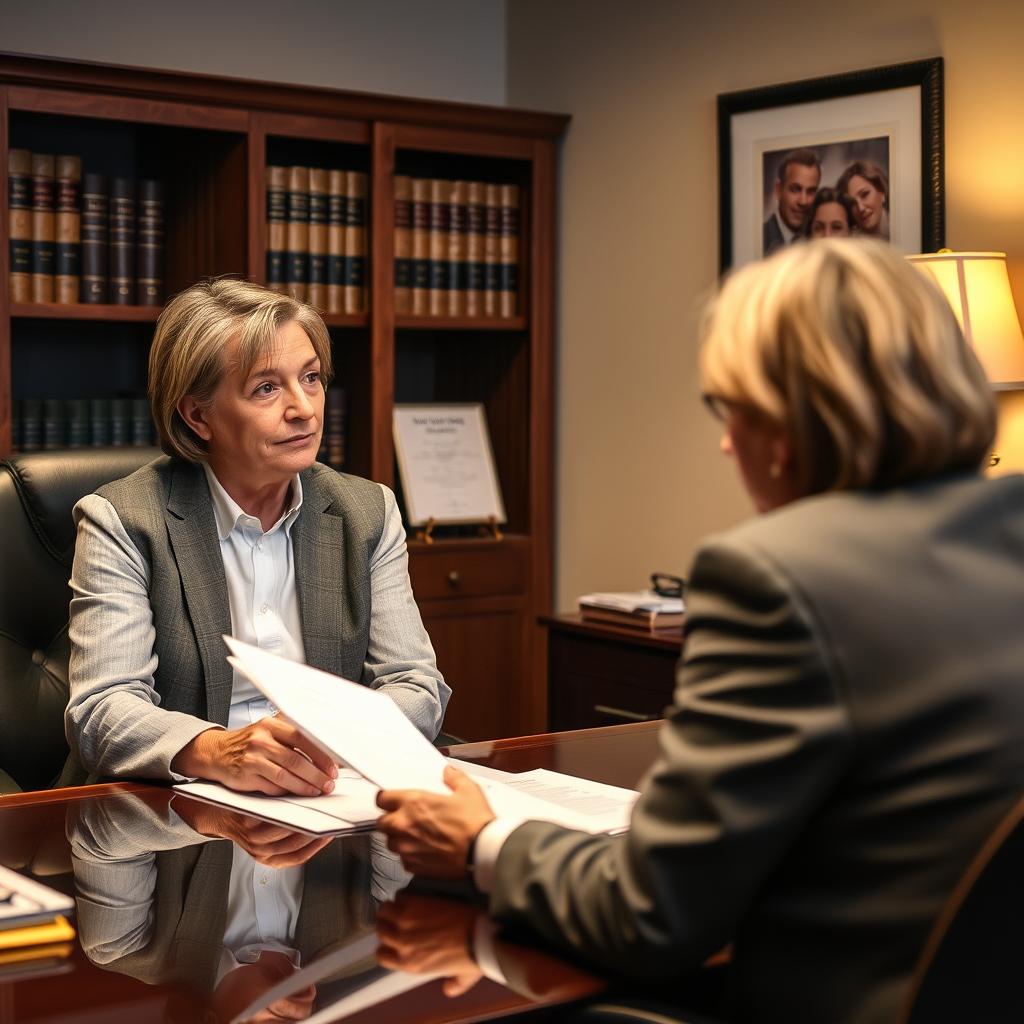
Cruelty Divorce Lawyer Bedford County
You need a Cruelty Divorce Lawyer Bedford County to prove cruel treatment under Virginia law. Law Offices Of SRIS, P.C.—Advocacy Without Borders. provides this specific legal defense. Our Bedford County Location handles cases based on physical violence or reasonable fear of bodily harm. We build evidence to meet the statutory burden for a fault-based divorce. Contact us for a case review. (Confirmed by SRIS, P.C.)
Statutory Definition of Cruelty in Virginia Divorce Law
Virginia Code § 20-91(A)(6) defines cruelty as a fault-based ground for divorce—it is a Class 1 misdemeanor equivalent with no criminal penalty but serves as legal cause for marital dissolution. The statute requires proof of cruelty or reasonable apprehension of bodily hurt. This legal standard is distinct from mere unhappiness or marital discord. It necessitates objective evidence of conduct that endangers life, limb, or health. The burden of proof rests entirely on the plaintiff alleging the cruelty. A Cruelty Divorce Lawyer Bedford County must demonstrate a pattern or single severe act. This act must render cohabitation unsafe or intolerable. Virginia courts interpret this ground strictly compared to no-fault options.
What constitutes “cruelty” under Virginia law?
Cruelty requires conduct causing reasonable fear of bodily injury or actual physical harm. This includes physical violence, threats of violence, or conduct creating a toxic, dangerous environment. Verbal abuse alone rarely meets the standard unless it includes specific, credible threats. The fear experienced must be objectively reasonable under the circumstances. A Bedford County judge will assess the evidence from this perspective.
How does cruelty differ from a no-fault divorce?
A cruelty divorce is a fault-based ground requiring proof of specific misconduct. A no-fault divorce under § 20-91(9)(a) requires only a six-month separation with a separation agreement. Proving cruelty can affect spousal support, property division, and child custody determinations. It avoids the mandatory waiting period required for a no-fault separation. This makes the legal strategy fundamentally different from the outset.
What evidence is needed to prove cruel treatment?
Evidence includes police reports, medical records, photographs of injuries, threatening communications, and witness testimony. Documentation is critical for a cruelty divorce lawyer in Bedford County. Diaries, emails, text messages, and audio recordings can substantiate claims of abuse. The evidence must directly link to the alleged cruel conduct and its impact. Corroborating evidence significantly strengthens the case before the Bedford County Juvenile and Domestic Relations District Court.
The Insider Procedural Edge in Bedford County Courts
The Bedford County Circuit Court at 123 E. Main St., Bedford, VA 24523 handles all divorce filings. All divorce complaints, including those based on cruelty, are filed with the Circuit Court clerk’s Location. The procedural timeline is governed by Virginia Supreme Court rules. Filing fees are set by the state and are subject to change. The court requires specific pleading formats for fault-based grounds. Local rules may dictate additional steps for serving the complaint. A cruelty divorce lawyer Bedford County handles these local requirements daily.
What is the standard court timeline for a cruelty divorce?
A contested cruelty divorce can take nine months to over a year to finalize in Bedford County. The timeline starts with filing the complaint and serving the spouse. The responding spouse has 21 days to file an answer after service. Discovery, mediation, and pre-trial hearings add significant time. The court’s docket schedule is the final determinant for a trial date. Uncontested cases proceed faster if all paperwork is properly submitted.
The legal process in Bedford County follows specific procedural requirements that affect case timelines and outcomes. Courts in this jurisdiction apply local rules that may differ from neighboring areas. An attorney familiar with Bedford County court procedures can identify procedural advantages relevant to your situation.
What are the court costs and filing fees?
The current filing fee for a divorce complaint in Bedford County Circuit Court is approximately $86. Additional costs include fees for serving the spouse, copying, and certified mail. If the case goes to trial, court reporter fees and witness fees apply. Fee waivers are available for plaintiffs who meet strict indigency standards. A detailed cost assessment should occur during your initial consultation by appointment.
How are temporary orders handled during the case?
Temporary orders for support, custody, and use of property are filed separately in Bedford County. These motions are often heard by the Juvenile and Domestic Relations District Court initially. The standard for a temporary order is a preponderance of the evidence. Allegations of cruelty can heavily influence temporary custody and support rulings. These orders remain in effect until the final divorce decree is entered.
Penalties & Defense Strategies in a Cruelty Divorce
The most common penalty in a cruelty divorce is the legal dissolution of marriage and its financial consequences. A finding of cruelty directly impacts the court’s rulings on ancillary matters. It is not a criminal penalty but a civil finding with serious repercussions. Learn more about Virginia family law services.
Virginia law establishes specific statutory frameworks that govern these matters. Each case involves unique factual circumstances that require careful legal analysis. SRIS, P.C. attorneys evaluate every relevant factor when developing case strategy for clients in Bedford County.
| Offense / Finding | Penalty / Consequence | Notes |
|---|---|---|
| Adjudication of Cruelty | Fault-based divorce granted | Affects spousal support under VA Code § 20-107.1 |
| Impact on Spousal Support | Bar to receipt or reduction in award | The cruel spouse may be denied support or receive less |
| Property Division | Equitable distribution influenced by fault | Court may award a larger share to the innocent spouse |
| Attorney’s Fees | Fees may be awarded against the cruel spouse | At the court’s discretion based on conduct and resources |
| Custody & Visitation | Best interest analysis includes parental conduct | Evidence of cruelty can affect parenting time and decision-making |
[Insider Insight] Bedford County prosecutors in related criminal matters and family court judges view domestic allegations with seriousness. Patterns of behavior weigh more heavily than isolated incidents. The court prioritizes the safety and well-being of any children involved. Documentation and credible testimony are paramount. Defending against cruelty allegations requires a strategic counter-narrative and evidence.
Can cruelty allegations affect child custody?
Yes, cruelty allegations are a primary factor in the child’s best interest analysis. Virginia law requires the court to consider acts of family abuse under § 20-124.3. This includes any history of sexual abuse or physical violence. A finding can lead to supervised visitation or restricted custody. The court’s paramount concern is the child’s health and safety.
What are common defenses against cruelty claims?
Defenses include provocation, mutual combat, exaggeration, lack of corroboration, and motive to lie. The defendant may argue the conduct did not rise to the statutory level of cruelty. Evidence of reconciliation after alleged incidents can undermine the claim. A skilled Virginia family law attorney dissects the plaintiff’s evidence timeline. The goal is to create reasonable doubt about the alleged fear or harm.
How does cruelty impact spousal support awards?
Virginia Code § 20-107.1 explicitly lists marital misconduct as a support factor. A court can deny support to a spouse found guilty of cruelty. It can also reduce the amount or duration of an award. This financial impact is a major reason to contest false allegations. The economic consequences of a cruelty finding are long-term.
Court procedures in Bedford County require proper documentation and adherence to filing deadlines. Missing a deadline or submitting incomplete filings can negatively impact case outcomes. Working with an attorney who handles cases in Bedford County courts regularly ensures that procedural requirements are met correctly and on time.
Why Hire SRIS, P.C. for Your Bedford County Cruelty Divorce
Bryan Block, a former Virginia State Trooper, leads our family law defense team with direct insight into evidence standards. His background provides a unique advantage in investigating and challenging allegations of physical cruelty. He understands how police and courts evaluate claims of domestic conflict.
Primary Attorney: Bryan Block
Credentials: Former Virginia State Trooper, extensive trial experience in Virginia Circuit Courts.
Practice Focus: Contested divorces, fault-based grounds, custody disputes involving allegations of abuse.
Local Experience: Direct representation in Bedford County courts.
The timeline for resolving legal matters in Bedford County depends on multiple factors including case type, court scheduling, and the positions of all parties involved. SRIS, P.C. keeps clients informed throughout the process and works to move cases forward as efficiently as possible. Learn more about criminal defense representation.
SRIS, P.C. has secured numerous favorable outcomes for clients in Bedford County. Our approach is tactical and evidence-driven from the first meeting. We prepare every case with the assumption it will go to trial. This preparation often leads to stronger settlement positions. We assign a dedicated legal team to each client’s case. Our experienced legal team coordinates strategy across related criminal and civil matters. We provide clear, direct advice about the realities of your situation.
Localized Bedford County Cruelty Divorce FAQs
What is the legal definition of cruelty for divorce in Bedford County?
Cruelty is conduct causing reasonable fear of bodily hurt or actual physical harm under VA Code § 20-91(A)(6). Bedford County courts require objective evidence of this standard. It is more than simple arguing or unhappiness.
How long does a contested cruelty divorce take in Bedford County?
A fully contested case typically takes nine months to over a year in Bedford County Circuit Court. The timeline depends on court scheduling, discovery disputes, and case complexity. An uncontested case resolves faster.
Can I get spousal support if I file for cruelty in Bedford County?
A finding of cruelty can bar the at-fault spouse from receiving support or reduce their award. The innocent spouse may receive a more favorable support determination. The court has broad discretion under Virginia law.
Financial implications are often a significant concern in legal proceedings. Virginia courts consider relevant financial factors when making determinations. Proper preparation of financial documentation strengthens your position and supports favorable outcomes in Bedford County courts.
What evidence is most convincing to a Bedford County judge?
Police reports, medical records, photographs, and third-party witness testimony are most convincing. Contemporary documentation carries more weight than later testimony. Consistent, corroborated evidence is key for a cruelty divorce lawyer Bedford County.
Do I need a separate protective order for a cruelty divorce?
A protective order is a separate civil action from a divorce. It provides immediate legal protections and can support your cruelty claim. Our firm can advise on pursuing both actions concurrently for safety.
Proximity, Contact, and Critical Disclaimer
Our Bedford County legal team serves clients throughout the region. While SRIS, P.C. has a primary Virginia Location, our attorneys are licensed to practice in all Virginia Circuit Courts. We provide direct, localized representation for Bedford County family law matters. Consultation by appointment. Call 24/7 to schedule a case review with a cruelty divorce lawyer Bedford County. Our phone number is (888) 437-7747.
NAP: SRIS, P.C., Consultation by appointment, (888) 437-7747.
Past results do not predict future outcomes.