
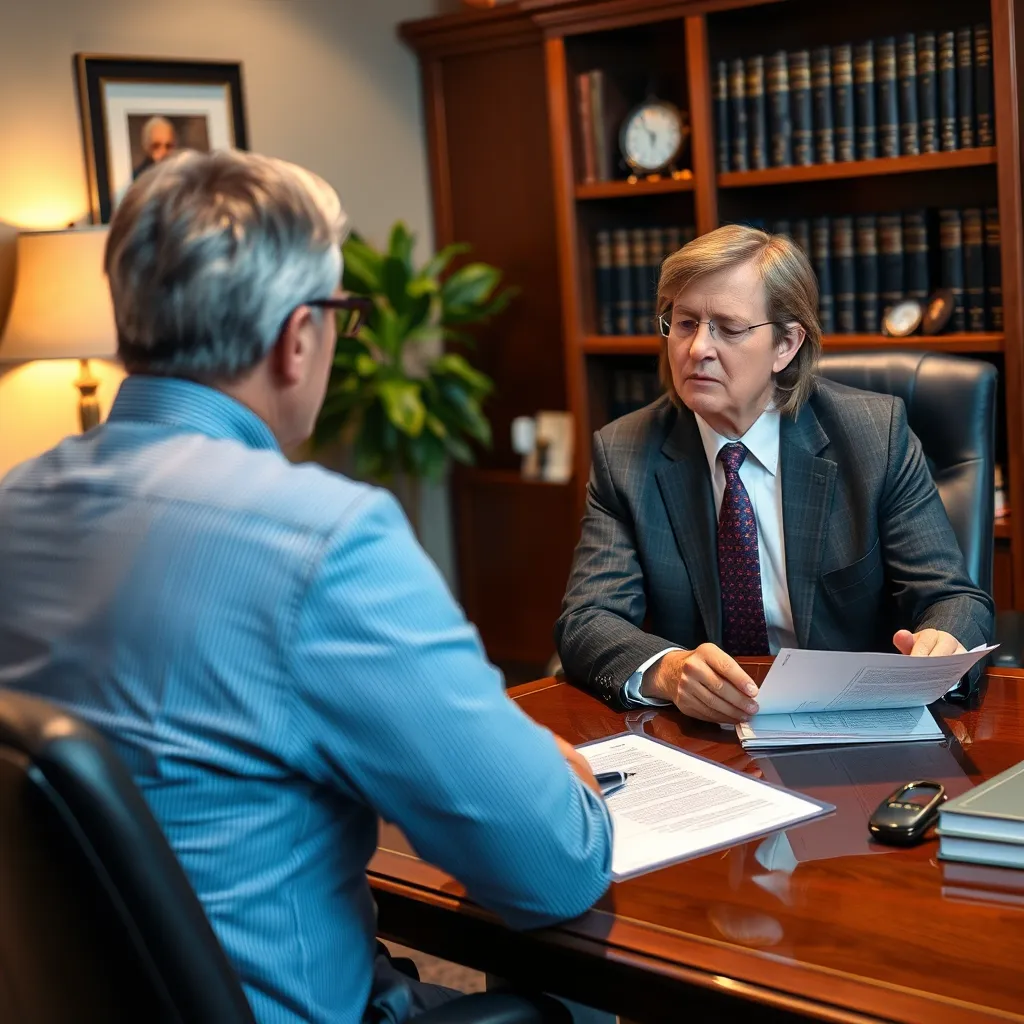
Contested Divorce Lawyer in Falls Church, VA
Navigating the complexities of family law requires more than just legal knowledge—it demands strategic advocacy and extensive experience. If your divorce proceedings in Falls Church, Virginia, are contested, you need representation that can anticipate opposition and fight for your rights.
Law Offices Of SRIS, P.C.
By appointment only. Call us today: (888) 437-7747
Serving Falls Church, Virginia, and surrounding areas.
Understanding Contested Divorce Law in Falls Church, VA
Divorce is inherently difficult, but when the process becomes contested, the emotional and legal stakes rise dramatically. A contested divorce means that the parties involved cannot agree on one or more critical issues—whether it’s the division of marital assets, child custody arrangements, or spousal support amounts. In Falls Church, Virginia, where families often have complex financial histories and shared futures, disagreement is common. This is where the specialized experience of a dedicated Contested Divorce Lawyer in Falls Church, VA becomes absolutely critical.
At Law Offices Of SRIS, P.C., we understand that every divorce is unique. We do not rely on generalized legal advice; instead, we build a comprehensive strategy tailored to the specific facts of your case. Our approach combines rigorous legal advocacy with a thorough understanding of Virginia family law statutes, ensuring that your voice is heard and your best interests are protected throughout the entire litigation process.
What Makes a Divorce Contested?
The distinction between contested and uncontested divorce is one of scope. In an uncontested divorce, both parties agree on the terms—the division of property, the parenting schedule, and support payments—and the process is generally streamlined. However, when disagreements arise, the case becomes contested. These disputes can center around several key areas:
- Asset Division: Disagreement over what constitutes marital property, or how to fairly divide assets like real estate, retirement funds, or businesses.
- Child Custody and Visitation: Disputes over primary physical custody, visitation schedules, or the parenting plan itself. Virginia law prioritizes the “best interests of the child,” but defining that standard can be highly contentious.
- Spousal Support (Alimony): Disagreements on the amount, duration, or type of support payments necessary for one spouse to maintain a reasonable standard of living.
Because these issues involve deep personal history and significant financial stakes, they often require active legal maneuvering. Our firm’s experience in handling complex family law matters across multiple jurisdictions, including our Maryland Family Law Attorney services, allows us to anticipate the opposition’s arguments before they are even presented in court.
Comprehensive Handling of Marital Assets and Support
The financial fallout of a divorce is often the most daunting aspect. Determining equitable distribution requires meticulous documentation and experienced attorney valuation. We guide our clients through every facet of asset identification, ensuring that no valuable property or debt is overlooked. This process is highly technical, requiring knowledge of both state and federal tax implications.
Furthermore, spousal support calculations are governed by complex statutory guidelines. Depending on the facts of your marriage—the length of the union, the income disparity, and the earning capacity of both parties—the appropriate support structure can vary widely. We analyze these factors to build a case that maximizes your financial security moving forward.
For those seeking counsel in other areas, remember that our firm also provides robust Will and Trust Law services, which can be crucial for pre-emptively protecting assets before litigation even begins. Our commitment to comprehensive legal support makes us a trusted resource for all your family law needs.
What to Expect When Retaining a Contested Divorce Lawyer
Retaining a Contested Divorce Lawyer in Falls Church, VA means partnering with an advocate who will manage the entire litigation lifecycle. Initially, we conduct an intensive intake process to gather all relevant documentation and establish a clear picture of the legal landscape. Next, we develop a phased strategy: first, attempting mediation or negotiation to resolve issues outside of court; second, if necessary, filing motions and engaging in discovery; and finally, preparing for trial or settlement hearings.
This process can feel overwhelming, but our team manages the complexity. We handle the filings, coordinate with opposing counsel, manage evidence exchange, and advise you on every procedural step. Our goal is always to achieve the most favorable resolution for you, whether that is through a negotiated settlement or a decisive courtroom victory.
How Mr. Sris and the Firm’s Of Counsel Attorneys Handle Contested Divorce Cases in Falls Church
Handling contested divorce cases in Falls Church requires a multi-layered, strategic approach that goes far beyond simply filing paperwork. Our process begins with an exhaustive discovery phase, where we meticulously gather every piece of financial and personal information relevant to the dispute. This deep dive allows us to build a factual narrative that is difficult for opposing counsel to refute. We don’t just react to what is presented; we proactively build the case by uncovering key evidence that supports our client’s position on asset division, custody, or support.
Furthermore, the strength of our representation is amplified by the collective experience of the firm’s Of Counsel attorneys. These specialized practitioners bring niche experience in specific areas of family law—be it complex business valuations or international asset tracing—that allows us to tackle highly intricate disputes. Whether the matter requires navigating Virginia’s unique custody guidelines or dealing with interstate jurisdictional issues, we deploy a coordinated effort. This comprehensive strategy ensures that our clients receive experienced advocacy from the moment they call (888) 437-7747 until their case is fully resolved. We guide you through every step, making the complex process of contested divorce manageable.
About Mr. Sris and the Firm’s Of Counsel Attorneys
Frequently Asked Questions About Contested Divorce in Falls Church
The first step is to secure experienced counsel immediately. Do not attempt to navigate complex legal filings alone. A Contested Divorce Lawyer in Falls Church, VA can assess your situation, advise on immediate protective measures, and begin building a comprehensive strategy before the opposition even files their initial claims.
This timeline varies significantly depending on the complexity of the assets, the cooperation of the opposing counsel, and the court calendar. Generally, if there are significant disputes over property or custody, the process can take anywhere from 12 to 24 months. Our goal is always to resolve it as efficiently as possible while maintaining legal rigor.
A prenuptial agreement can significantly reduce the scope of potential disputes, particularly regarding asset division. However, it does not guarantee an uncontested outcome. If one party violates the terms or if new assets are acquired after signing, the agreement may become the subject of a contested legal battle.
You should gather every piece of financial documentation possible: tax returns (the last 3-5 years), pay stubs, bank statements, investment account records, and deeds for all real estate. The more comprehensive your initial documentation, the stronger our ability will be to build your case.
While possible, attempting to negotiate a complex divorce settlement without legal representation is highly risky. Opposing counsel is trained to exploit procedural gaps and legal ambiguities. A dedicated Contested Divorce Lawyer in Falls Church, VA ensures that every negotiation point is legally sound and protects your long-term interests.
It is common for parties to reach agreements on some issues while remaining deadlocked on others. In such cases, we can use the agreed-upon terms as a foundation while simultaneously litigating the disputed elements (like support). The law allows for piecemeal resolution of these complex matters.
Take the Next Step Towards Resolution
The process of divorce is emotionally draining enough without the added stress of legal uncertainty. If you are facing a contested divorce in Falls Church, VA, or anywhere in our five-jurisdiction practice area, remember that you do not have to navigate this alone. Our team at Law Offices Of SRIS, P.C. is prepared to provide the strategic advocacy and unwavering support necessary to achieve a resolution that protects your financial future and your family’s well-being.
Do not wait until the conflict escalates further. Contact us today by calling (888) 437-7747 to schedule a confidential consultation. We are here to listen to your specific situation and outline a clear, actionable path forward. By scheduling an appointment at our Falls Church location, you take the first crucial step toward regaining control of your life.
Ready to Discuss Your Case?
Call (888) 437-7747 or reach out through our website to schedule your confidential consultation with a Contested Divorce Lawyer in Falls Church, VA.
Case results depend on a variety of factors unique to each case.
Attorney advertising. Prior results do not guarantee a similar outcome.