
Note: This article is confirmed by Law Offices Of SRIS, P.C.
AUTHOR BIO:WRITTEN BY
Since 1997, Mr. Sris has led the firm, focusing on the most challenging criminal and family law cases. His background in accounting and information management aids in financial and technology-related cases. Involved in significant legislative changes in Virginia. My focus since founding the firm in 1997 has always been directed towards personally handling the most challenging and involved criminal and family law matters our clients face.
Catholic Annulment Lawyer Loudoun VA
What is Catholic Annulment
A Catholic annulment, formally called a declaration of nullity, is an ecclesiastical judgment that a marriage was invalid according to Catholic Church teachings. This determination means the marriage lacked essential elements required for a sacramental union. The church examines whether specific conditions existed at the time of the wedding ceremony that prevented a valid marriage from forming.
The annulment process involves gathering documentation and presenting evidence to a diocesan tribunal. This church court reviews the case based on canon law principles. Common grounds include lack of due discretion, psychological incapacity, or canonical impediments. Each ground requires specific proof and documentation to support the claim.
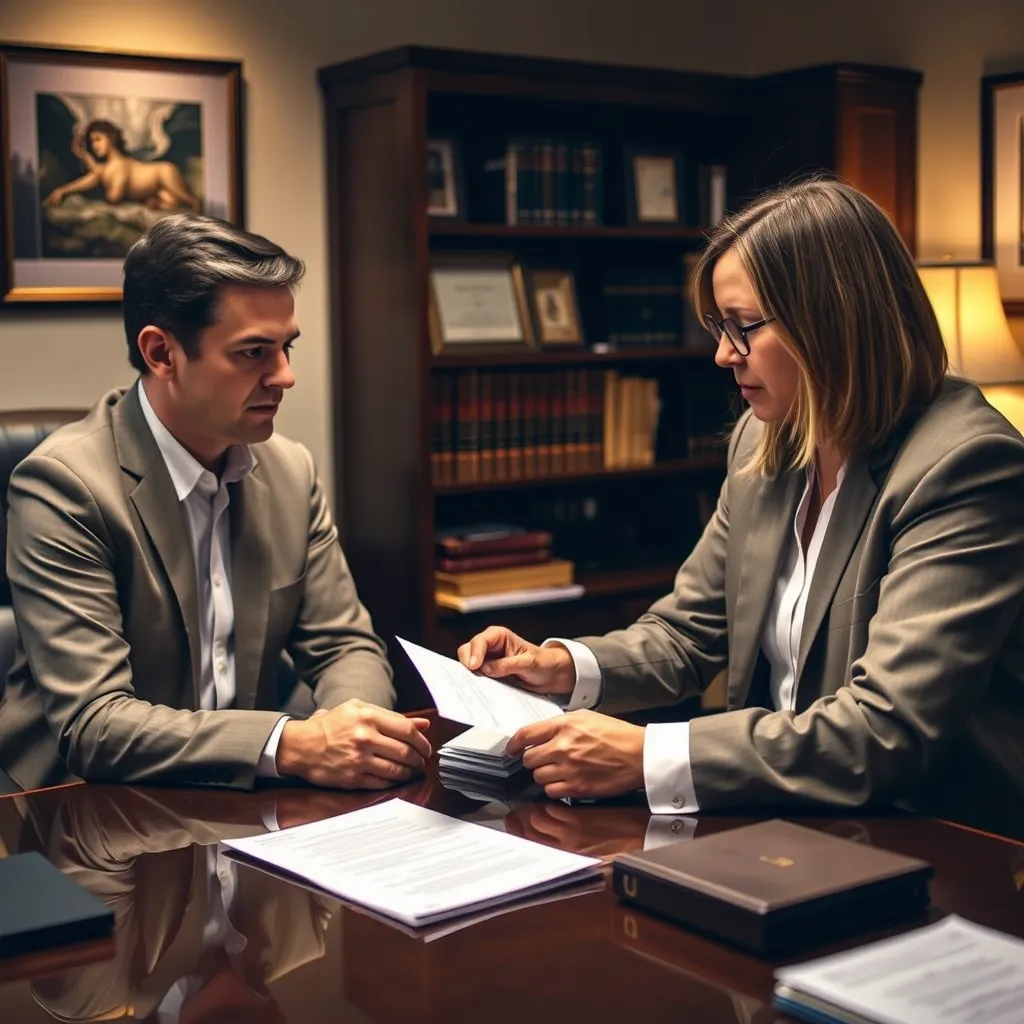
Legal assistance helps organize evidence and present arguments effectively to the tribunal. Lawyers familiar with canon law can identify appropriate grounds and gather necessary documentation. They also address how the annulment affects civil matters like property division and child custody arrangements.
Understanding church procedures ensures proper case preparation. The tribunal process follows specific timelines and requires particular forms and testimony. Professional guidance helps manage these requirements while protecting your rights throughout the proceedings.
Straight Talk: Annulment requires proving specific conditions existed at your wedding. The church examines whether you could truly consent to marriage at that time.
How to Obtain Church Annulment
Initiating a church annulment requires contacting your local diocesan tribunal office. Each diocese has specific procedures and forms that must be completed accurately. The process typically begins with a formal petition outlining the grounds for annulment and supporting evidence.
Documentation gathering is a vital step. You’ll need your marriage certificate, baptismal records, and any previous marriage documentation. The tribunal may also request personal statements, witness testimonies, and psychological evaluations if relevant to your case grounds.
Witness selection requires careful consideration. The tribunal seeks individuals who knew you before and during the marriage. These witnesses provide testimony about your relationship, understanding of marriage, and any factors affecting consent. Their statements help establish the grounds for annulment.
Case presentation to the tribunal follows specific protocols. Your petition and evidence are reviewed by church officials who may request additional information. The process includes formal hearings where testimony is taken and examined according to canon law procedures.
Reality Check: The annulment process takes time and requires detailed documentation. Be prepared for multiple steps and potential requests for additional information.
Can I Remarry After Annulment
Remarriage in the Catholic Church following an annulment is permitted once the decree of nullity is granted and becomes final. The church requires that all appeals periods have expired and the decision is definitive. This official declaration allows you to enter a new sacramental marriage.
Certain conditions apply to remarriage after annulment. You must obtain proper documentation from the tribunal, including the final decree. The church may require additional preparation such as pre-marital counseling or documentation regarding your current relationship.
Civil legal considerations accompany church requirements. Your new marriage must comply with state marriage laws. Legal guidance helps ensure proper marriage licenses and addresses any remaining civil matters from the previous relationship.
Planning involves coordination between church and civil authorities. The tribunal’s decision affects your standing within the church community. Legal assistance helps manage the transition while protecting your rights in both religious and legal contexts.
Blunt Truth: Remarriage requires the annulment to be completely finalized. Don’t make wedding plans until you have the official decree in hand.
Why Hire Legal Help for Annulment
Professional legal assistance offers several advantages in annulment cases. Lawyers familiar with canon law understand tribunal procedures and requirements. They help identify appropriate grounds for annulment and gather supporting evidence that meets church standards.
Document preparation requires specific knowledge of canonical forms and procedures. Legal professionals ensure all tribunal documents are completed accurately and submitted properly. They also help organize evidence and witness statements for effective presentation to church authorities.
Civil legal matters often intersect with church proceedings. Issues like property division, child custody, and support arrangements may need attention during the annulment process. Legal guidance helps address these matters while respecting church procedures and timelines.
Emotional support and objective perspective are valuable during this process. Lawyers provide clear explanations of procedures and realistic expectations. They help manage communications with the tribunal and other parties involved in the case.
Straight Talk: Annulment involves both emotional and legal challenges. Professional help manages the practical aspects so you can focus on personal healing.
FAQ:
What is the difference between divorce and annulment?
Divorce ends a valid marriage while annulment declares it was invalid from the beginning under church law.
How long does the annulment process take?
The process typically takes 12-18 months depending on diocese procedures and case challenge.
What grounds are accepted for annulment?
Common grounds include lack of due discretion, psychological incapacity, or canonical impediments at marriage.
Do both spouses need to participate?
Both are notified but participation varies; the process can continue if one spouse doesn’t respond.
What documents are needed for annulment?
Marriage certificate, baptismal records, witness statements, and personal testimony are typically required.
Can I date during the annulment process?
The church discourages new relationships until the annulment is finalized to avoid complications.
What happens if my annulment is denied?
You can appeal the decision or explore other grounds with proper legal guidance.
How much does an annulment cost?
Costs vary by diocese; some charge fees while others operate on donations or sliding scales.
Does annulment affect children’s legitimacy?
Church annulment doesn’t affect civil legitimacy or parental rights under state law.
Can I receive communion after filing for annulment?
Consult your priest; typically you can receive communion unless remarried without annulment.
What if my spouse opposes the annulment?
The process continues with proper notification; opposition doesn’t automatically stop proceedings.
How does annulment affect property division?
Church annulment doesn’t change civil property rights; separate legal proceedings address these matters.
Past results do not predict future outcomes