
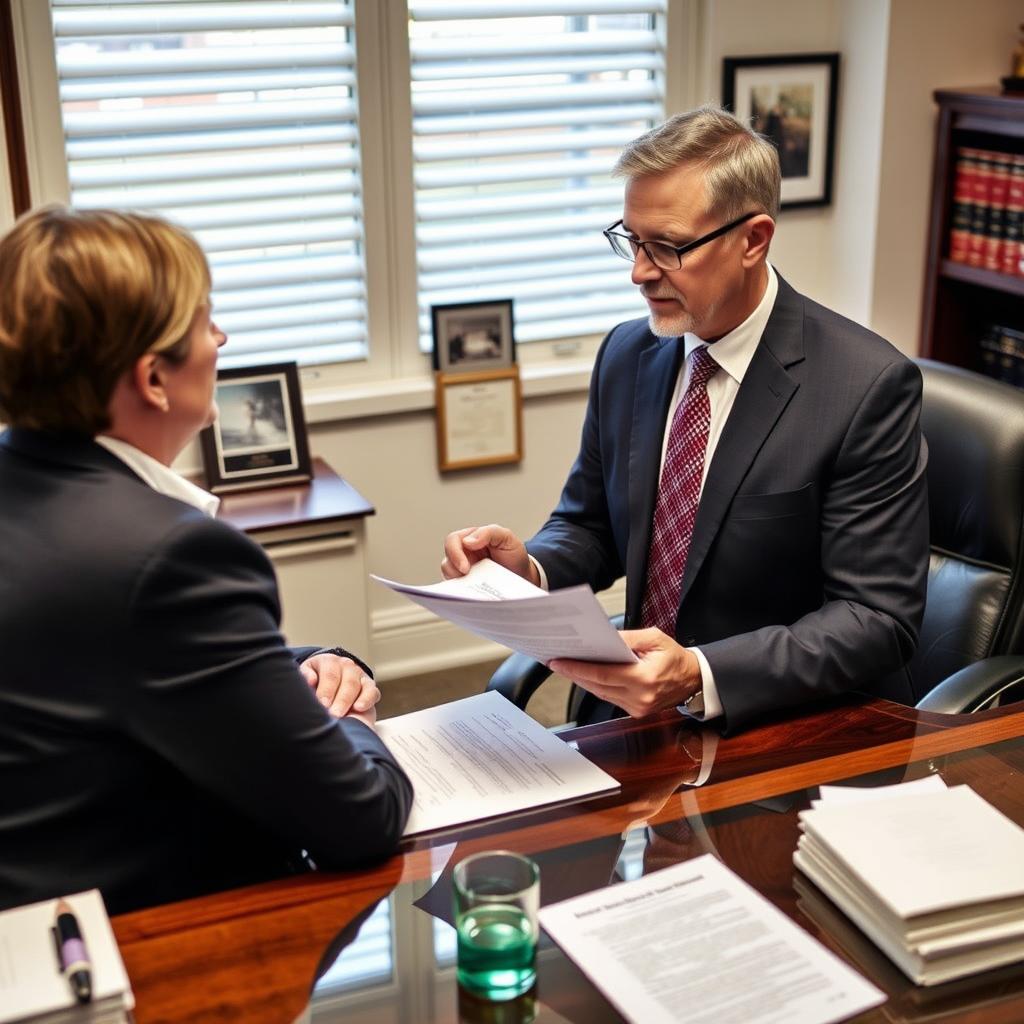
Beach Military Divorce Lawyer King William County, VA
You are a U.S. Service member stationed at a Virginia military installation, and your marriage has reached a breaking point. Perhaps your spouse filed for divorce in King William County while you were deployed, or you are the civilian spouse trying to protect your financial future while your service member partner is stationed elsewhere. The intersection of federal military protections, Virginia equitable distribution laws, and the specific procedures of the King William County courts can make an already difficult situation feel overwhelming. Law Offices Of SRIS, P.C., founded in 1997 by former prosecutor Mr. Sris, represents clients in military divorce matters throughout Virginia, including the King William County area. Mr. Sris and his Of Counsel provide experienced counsel on the unique issues military families face—from dividing military pensions and understanding the Servicemembers Civil Relief Act to navigating custody and support when one parent is on active duty. To discuss your situation with an attorney who practices in military family law, reach our Richmond location at (888) 437-7747.
Law Offices Of SRIS, P.C. – Advocacy Without Borders.
What Military Divorce Means in King William County, Virginia
King William County sits in Virginia’s 9th Judicial District, between Richmond and Williamsburg, and is within driving distance of several significant military installations, including Fort Eustis, Naval Weapons Station Yorktown, and Camp Peary. Service members and their spouses who live in the county or who have ties to the area may have their divorce heard in the King William County Circuit Court, which has exclusive jurisdiction over divorce and equitable distribution, or in the King William County Juvenile and Domestic Relations District Court for matters involving custody, visitation, and support.
Military divorces in Virginia follow the same fundamental process as civilian divorces—one party must meet the residency requirement, and the marriage is dissolved under the grounds set out in Va. Code § 20-91. However, numerous federal laws overlay the state process and create distinct considerations. The Servicemembers Civil Relief Act (SCRA) provides critical protections that can affect the timing of proceedings, while the Uniformed Services Former Spouses’ Protection Act (USFSPA) governs how military retired pay is treated in divorce. Virginia is an equitable distribution state, meaning the court divides marital property fairly but not necessarily equally, considering the eleven factors in Va. Code § 20-107.3. When military benefits, including pensions, Thrift Savings Plan accounts, and survivor benefits, are involved, the analysis becomes more complex and requires a thorough understanding of both state and federal law. Our Richmond location represents clients appearing at the King William County Courthouse at 351 Courthouse Lane, Suite 201, King William, VA 23086, and the firm’s attorneys work to protect the interests of service members and military spouses throughout the process.
How Mr. Sris and His Of Counsel Handle Military Divorce Cases
Law Offices Of SRIS, P.C., Concentrates its practice on providing a structured, client-centered approach to military divorce matters. From the initial consultation, Mr. Sris and his Of Counsel work to identify the specific issues that will shape your case: which court has jurisdiction, how the SCRA may impact the timeline, whether the division of military retired pay will require a qualifying court order under the USFSPA, and how child custody and support will be addressed given the demands of military service. The firm’s approach does not rely on a one-size-fits-all strategy; rather, the attorneys develop a plan that reflects the unique circumstances of your marriage, your military career or that of your spouse, and your long-term objectives.
When a military divorce involves significant assets, a privately owned business, or complex custody arrangements, Mr. Sris and his Of Counsel engage independent professionals, such as forensic accountants, business valuators, and custody evaluators, when the situation warrants. The firm’s attorneys are familiar with the King William County courts and the expectations of the judges who preside there, and they prepare each matter for the possibility of contested litigation while remaining open to negotiated resolutions that serve the client’s best interests. The timeline of a divorce depends on many variables—whether the parties can agree on key issues, the availability of the court’s docket, and any SCRA-related stays—and the firm’s lawyers strive to move matters forward efficiently without sacrificing thoroughness.
About Mr. Sris and His Of Counsel Team
Mr. Sris, Owner and Founder of Law Offices Of SRIS, P.C., established the firm in 1997 and has since built a multi-state practice admitted in Virginia, Maryland, the District of Columbia, New Jersey, and New York. A former prosecutor, Mr. Sris brings a depth of trial experience that informs his work in family law, where contested hearings and courtroom advocacy are often necessary. He testified before the Virginia House Courts of Justice Committee in support of 2019 HB 635 (chief patron Del. David Bulova), a bill that revised the state’s equitable distribution statute. Mr. Sris and his Of Counsel bring over 120 years of combined legal experience, with over 4,739 documented firm-wide results. Results may vary.
The firm’s Of Counsel team includes attorneys with backgrounds in criminal prosecution, law enforcement, CPS representation, and complex civil litigation. On military divorce matters, Mr. Sris draws on this collective experience to address the intersecting family, financial, and procedural issues that service members and their families encounter. The firm’s Richmond location at 7400 Beaufont Springs Drive, Suite 300, Room 395, Richmond, VA 23225, serves clients throughout King William County and the surrounding region. Consultation is by appointment, and phones are answered at (888) 437-7747.
Frequently Asked Questions About Military Divorce in King William County
How does military divorce differ from civilian divorce in Virginia?
Military divorce differs from civilian divorce primarily because of the Servicemembers Civil Relief Act, the Uniformed Services Former Spouses’ Protection Act, and the specific rules governing military pensions and benefits. The SCRA can stay proceedings if a service member’s military duties prevent participation, while the USFSPA determines whether a state court can divide military retired pay. Virginia law applies to grounds, property division, custody, and support just as it would in a civilian case, but the interplay of federal protections and benefit rules requires counsel who is familiar with both systems.
Can a service member stationed in another state get divorced in King William County?
Yes, if either the service member or the spouse meets Virginia’s residency requirement—one party must have been a bona fide resident and domiciliary of the Commonwealth for at least six months before filing. The divorce is then filed in the circuit court of the county or city where either party lives. If the service member is stationed elsewhere but maintains Virginia as their state of legal residence, King William County may be the proper venue. The SCRA may also provide the service member options regarding where the case proceeds.
What happens to my military pension in a Virginia divorce?
Under the USFSPA, a Virginia court may treat disposable military retired pay as marital property subject to equitable distribution if the court has jurisdiction over the service member. The marital share is typically calculated based on the number of years of marriage overlapping with the years of creditable military service. The court may award a portion of the retired pay, but only if the marriage lasted at least ten years and the military service overlapped for at least ten years will the Defense Finance and Accounting Service (DFAS) make direct payments to the former spouse. A written separation agreement or court order must meet specific requirements.
Do I need a lawyer for a military divorce in Virginia?
You are not legally required to hire a lawyer for a military divorce, but representing yourself when complex federal and state laws govern the division of military benefits, child custody, and support presents substantial challenges. India is not a signatory to the 1980 Hague Convention on Civil Aspects of International Child Abduction. Procedural missteps, such as failing to address the SCRA properly or entering a final decree that does not comply with the USFSPA, can have long-term financial consequences. An experienced family law attorney can help you understand the issues, ensure that necessary orders are properly drafted, and advocate on your behalf in the King William County courts.
How is child custody handled when one parent is on active duty?
King William County courts decide custody based on the ten statutory best-interest factors in Va. Code § 20-124.3, and a parent’s military service is considered within that framework. Deployments, training exercises, and relocations can complicate a parenting plan. The court may order a temporary custody or visitation arrangement during deployment and provide for the non-deployed parent’s involvement. Virginia law also allows a service member to designate a person to exercise visitation during periods of absence, ensuring the child’s relationship with both parents is prioritized.
What protections does the SCRA offer in a King William County divorce?
The Servicemembers Civil Relief Act provides a range of protections, including a stay of court proceedings if military duties materially affect the service member’s ability to participate, and a potential bar against default judgments without proper notice. The court may grant a stay for at least 90 days and may extend it. The SCRA also covers certain financial protections, such as capping interest rates on pre-service debts. In a divorce context, the SCRA can significantly influence the timeline and ensure that a service member’s rights are not prejudiced while they are serving the country.
Related Virginia Family Law Pages:
Virginia family law practice ·
King William County divorce lawyer ·
Virginia military divorce overview
Primary legal sources:
Virginia Code Title 20 (Domestic Relations) ·
Virginia Judicial System ·
U.S. Department of Justice — SCRA
Attorney advertising. Prior results do not guarantee a similar outcome. Results may vary.
Case results depend on a variety of factors unique to each case.