
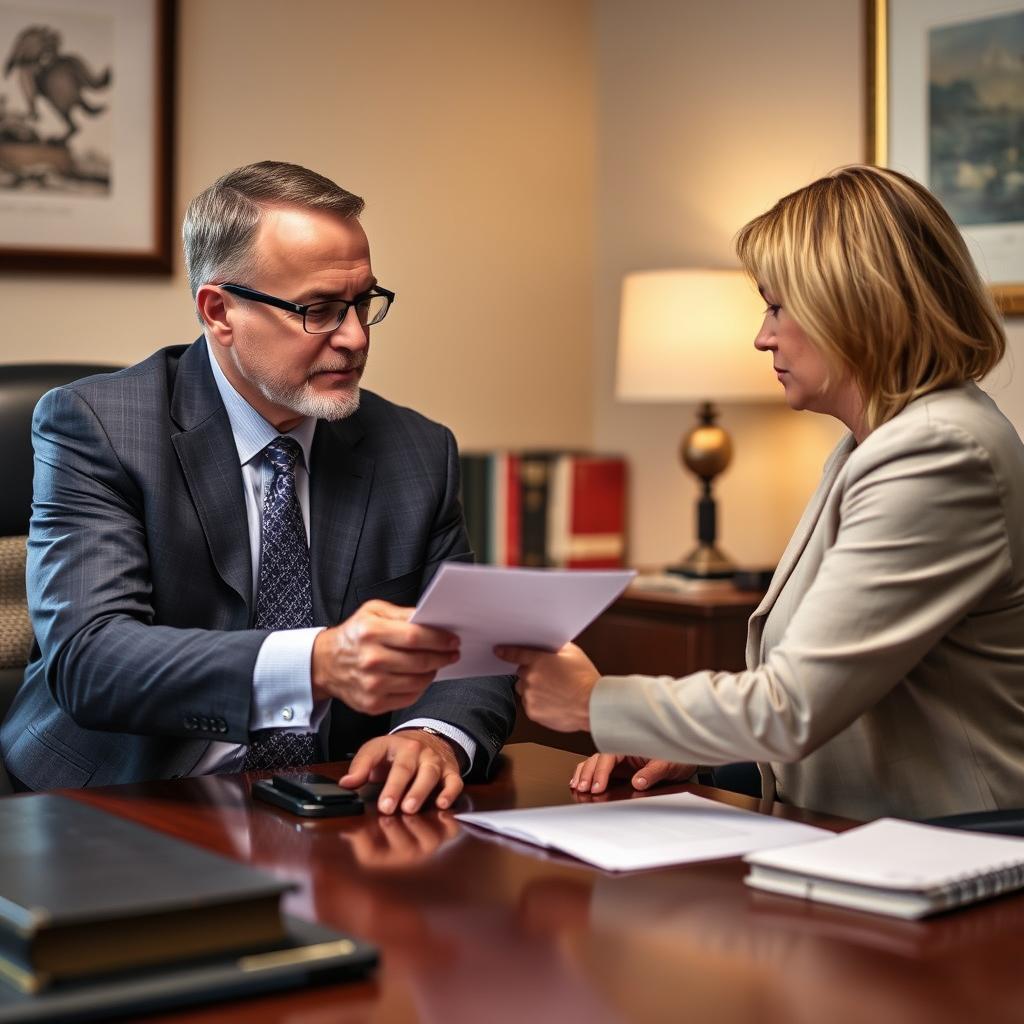
Military Divorce Lawyer Prince George County
You need a Military Divorce Lawyer Prince George County who knows Virginia law and military regulations. The Law Offices Of SRIS, P.C.—Advocacy Without Borders. handles service member and spouse divorces in Prince George County. We address jurisdiction, pension division, and support under the Servicemembers Civil Relief Act. Our team protects your rights and benefits. Contact SRIS, P.C. for a case review. (Confirmed by SRIS, P.C.)
Statutory Definition of Military Divorce in Virginia
Virginia Code § 20-97 governs jurisdiction for military divorces, requiring a plaintiff to be a resident for six months. Military divorce in Prince George County follows state law but is complicated by federal statutes. The Servicemembers Civil Relief Act (SCRA) provides protections against default judgments. The Uniformed Services Former Spouses’ Protection Act (USFSPA) governs military pension division. Virginia courts apply state equitable distribution rules to military assets. A Military Divorce Lawyer Prince George County must handle both legal systems.
Jurisdiction is the first hurdle in a military divorce case. A service member or spouse must meet Virginia’s residency requirement. Filing occurs in the county where the plaintiff resides. Military deployment can delay proceedings under the SCRA. The court may stay a case if the service member is unavailable. Proper service of process is critical under these circumstances. Failure to comply can result in a dismissed filing.
Division of military pensions is a central issue. The USFSPA allows state courts to treat disposable retired pay as marital property. Virginia law requires a 10-year overlap of marriage and service for direct payment. The “10/10 rule” is often misunderstood. It pertains to DFAS payment, not the court’s ability to divide the asset. A court can still award a share of the pension for less than ten years. The pay would then come directly from the service member.
How is a military pension divided in a Virginia divorce?
The court divides military pensions as marital property under Virginia equitable distribution law. The USFSPA permits direct payment from DFAS if the marriage overlapped service by ten years. The non-member spouse receives a percentage of the disposable retired pay. The court uses a coverture formula based on the marriage length during service. An attorney must obtain a clear court order for DFAS. This process requires precise legal drafting.
What is the Servicemembers Civil Relief Act (SCRA) in divorce?
The SCRA allows active-duty service members to request a stay of civil proceedings. This includes divorce cases filed in Prince George County. The stay can last for the period of military service plus 60 days. The court cannot enter a default judgment without appointing an attorney. The service member must submit a letter explaining how duty affects their case. This law protects those who cannot appear in court due to deployment.
Can I file for divorce in Prince George County if my spouse is deployed?
You can file for divorce in Prince George County if you meet residency requirements. The SCRA protections will apply to your deployed spouse. You must still properly serve the divorce papers. The court may delay hearings until the service member can participate. Your attorney must follow specific procedures to avoid legal errors. A stay of proceedings is likely if requested by the service member. Learn more about Virginia family law services.
The Insider Procedural Edge in Prince George County
The Prince George County Circuit Court is located at 6601 Courts Drive, Prince George, VA 23875. This court handles all contested divorce and equitable distribution cases. Military divorces are filed here when jurisdictional requirements are met. The clerk’s Location processes filings for service members and civilians. Procedural specifics for Prince George County are reviewed during a Consultation by appointment at our Prince George County Location.
The court follows Virginia Supreme Court rules for civil procedure. Filing a Complaint for Divorce starts the legal process. You must file a cover sheet and pay the required fee. The court schedules hearings based on its docket availability. Military cases may receive scheduling accommodations. The judge considers deployment orders when setting trial dates.
Local procedural rules impact how your case moves forward. The Prince George County Circuit Court has specific motion practices. You must file certain pleadings within strict deadlines. The court requires financial disclosures early in the process. Military Leave and Earnings Statements (LES) are key documents. Failure to provide complete discovery can result in sanctions.
What is the typical timeline for a military divorce in this county?
A contested military divorce in Prince George County can take nine to eighteen months. An uncontested divorce can be finalized in about two months if all requirements are met. The SCRA can extend timelines if a stay is granted. The court’s docket schedule affects hearing dates. Completing discovery and valuation of military assets adds time. A faster resolution depends on case complexity and cooperation.
What are the court filing fees for a divorce here?
The filing fee for a divorce complaint in Prince George County Circuit Court is approximately $89. Additional fees apply for serving papers and filing other motions. There may be a fee for filing a Military Affidavit. Fee waivers are available for qualified service members. The exact cost should be confirmed with the clerk. Your attorney will outline all anticipated court costs. Learn more about criminal defense representation.
Penalties & Defense Strategies in Military Divorce
The most common penalty in a military divorce is the loss of a portion of retirement pay and benefits. The court’s division of assets is the primary financial consequence. Virginia law does not impose fines or jail for divorce itself. The penalties are financial and relate to support and asset division. A Military Divorce Lawyer Prince George County fights for a fair property settlement.
| Offense / Issue | Penalty / Consequence | Notes |
|---|---|---|
| Failure to Disclose Assets | Contempt of Court, Sanctions, Adverse Inference | The court can award the hidden asset to the other spouse. |
| Violation of Support Order | Contempt, Wage Garnishment, License Suspension | Military pay can be garnished for child or spousal support. |
| Improper Service of Process | Dismissal of Case, Delay | SCRA requires strict adherence to service rules for deployed members. |
| Default Judgment (without SCRA compliance) | Judgment Vacated, Case Reopened | A service member can have a default divorce set aside. |
[Insider Insight] Prince George County judges expect full financial transparency. Military pensions, TSP accounts, and VA benefits are scrutinized. Local prosecutors in related contempt matters focus on enforcement of support orders. The court favors settlements that provide stability for families. Presenting clear evidence of military service obligations is crucial. An attorney must preemptively address potential contempt issues.
Defense strategies begin with proper case preparation. Gather all military finance documents, including LES and retirement statements. Identify all marital assets acquired during the marriage. Understand the value of military benefits like healthcare and commissary access. Anticipate the other side’s arguments about your service schedule. A strong legal strategy protects your long-term financial security.
How does divorce affect my military benefits and clearance?
Divorce can affect your military benefits and security clearance. Your ex-spouse loses TRICARE and ID card privileges unless eligible under the 20/20/20 rule. Your retirement pay may be divided by court order. Child support and alimony obligations are considered in clearance reviews. Financial problems from a divorce can jeopardize your clearance. An attorney can help structure an agreement to minimize these risks.
What is the 20/20/20 rule for military spouse benefits?
The 20/20/20 rule allows a former spouse to retain full military benefits. The marriage must have lasted at least 20 years. The service member must have at least 20 years of creditable service. The 20 years of marriage must overlap 20 years of service. Meeting this rule grants medical, commissary, and exchange privileges. The 20/20/15 rule offers one year of transitional medical benefits. Learn more about personal injury claims.
Why Hire SRIS, P.C. for Your Military Divorce
Attorney Bryan Block leads our military divorce practice with direct experience in service member legal issues. His background provides critical insight into military culture and regulations. SRIS, P.C. has achieved successful outcomes in Prince George County family law cases. Our team understands the pressure on military families. We provide clear, direct legal advice focused on your goals.
Bryan Block
Military Law Focus
Extensive experience with SCRA and USFSPA cases.
Represents active-duty and veteran clients in Virginia.
Our firm’s approach is built on preparation and advocacy. We analyze every aspect of your military and financial life. We draft precise court orders for pension division accepted by DFAS. We negotiate with opposing counsel to seek efficient resolutions. We are prepared to litigate in the Prince George County Circuit Court when necessary. Your career and benefits are too important for inadequate representation.
We have a record of protecting client assets in complex divorces. This includes dividing Thrift Savings Plans and handling VA disability pay issues. We understand the unique challenges of a service member divorce lawyer Prince George County case. Our Location is equipped to handle your matter from start to finish. We offer a Consultation by appointment to discuss your specific situation.
Localized FAQs for Military Divorce in Prince George County
Where do I file for divorce in Prince George County if I am in the military?
File at the Prince George County Circuit Court if you or your spouse meets Virginia’s six-month residency requirement. The court address is 6601 Courts Drive. Jurisdiction depends on the plaintiff’s residential status. Learn more about our experienced legal team.
How is child support calculated for a service member in Virginia?
Virginia child support guidelines use the service member’s total monthly income, including basic pay and allowances. BAH and BAS are typically included in the calculation. Deployment pay may also be considered.
Can my spouse get part of my VA disability pay in a divorce?
VA disability pay is not divisible as marital property in a Virginia divorce. However, the court can consider it as a source of income when awarding spousal support. It offsets the military retirement pay that is divisible.
What happens to my military housing allowance (BAH) during divorce?
BAH is considered income for support calculations. If you are required to pay spousal or child support, BAH can be included in your gross income. The entitlement may change based on your dependent status.
How long do I have to live in Virginia to file for divorce here?
You or your spouse must be a bona fide resident of Virginia for at least six months before filing. You must file in the county or city where you reside. Military station orders can establish residency.
Proximity, CTA & Disclaimer
Our Prince George County Location serves clients throughout the region. We are accessible to military personnel from Fort Gregg-Adams and surrounding communities. The Prince George County Circuit Court is the central venue for family law matters. Consultation by appointment. Call 888-437-7747. 24/7.
Law Offices Of SRIS, P.C.
—Advocacy Without Borders.
Phone: 888-437-7747
Past results do not predict future outcomes.