
Note: This article is confirmed by Law Offices Of SRIS, P.C.
AUTHOR BIO:WRITTEN BY
Since 1997, Mr. Sris has led the firm, focusing on the most challenging criminal and family law cases. His background in accounting and information management aids in financial and technology-related cases. Involved in significant legislative changes in Virginia. My focus since founding the firm in 1997 has always been directed towards personally handling the most challenging and involved criminal and family law matters our clients face.
Post Divorce Modification Lawyer New Kent VA
What is Post Divorce Modification
Post-divorce modification refers to the legal process of changing court orders that were established during divorce proceedings. When life circumstances change significantly after a divorce is finalized, the original agreements may no longer be appropriate or workable. Virginia law recognizes that situations evolve, and the legal system provides mechanisms to adjust these arrangements accordingly.
The modification process begins with identifying what aspects of the divorce decree need adjustment. Common areas include child support amounts, custody arrangements, visitation schedules, and spousal support obligations. Each type of modification follows specific legal standards and requires different evidence to support the requested changes. Child support modifications typically require showing a change in income of at least 15% or a substantial change in the child’s needs.
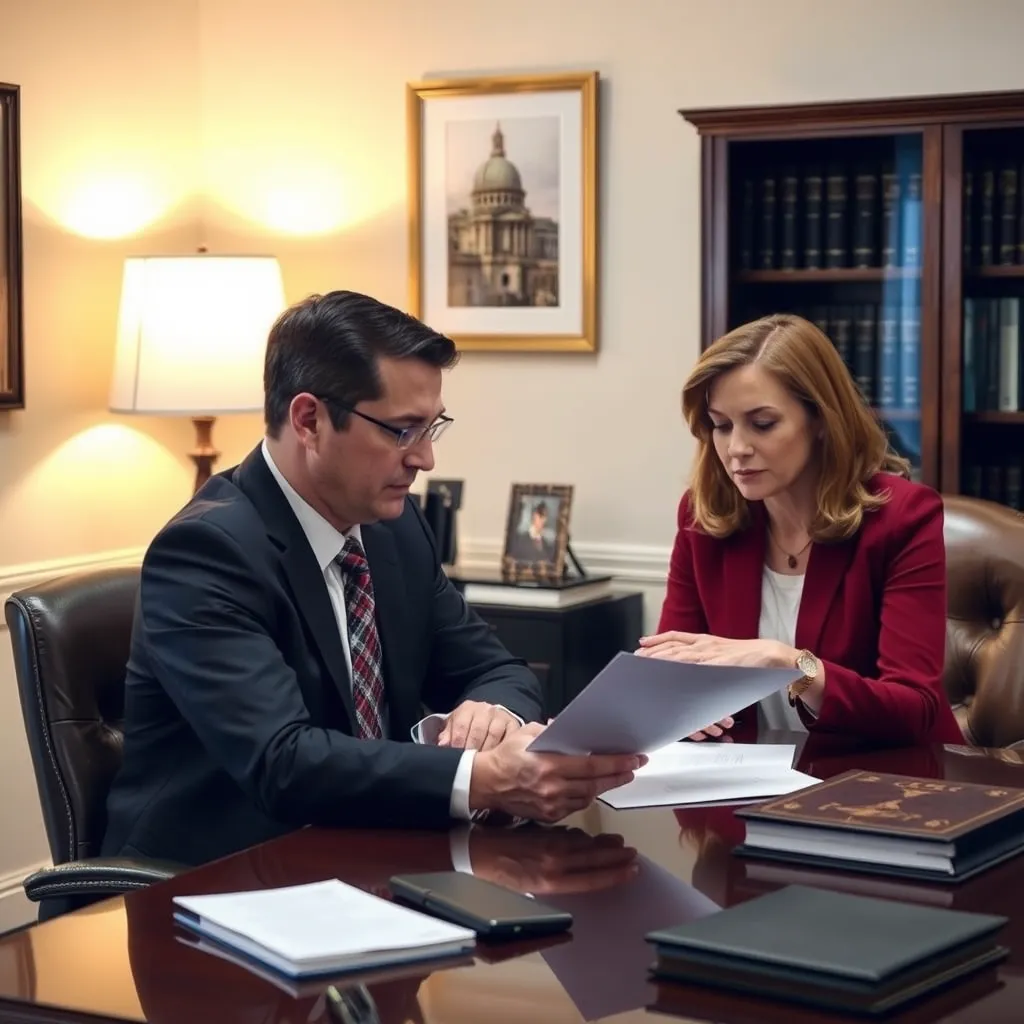
To initiate modification proceedings, proper legal documentation must be filed with the court. This includes petitions, supporting affidavits, and evidence demonstrating the changed circumstances. The process involves formal court hearings where both parties present their positions. Judges consider the best interests of children in custody matters and evaluate financial evidence for support modifications.
Legal guidance is vital for successful modification requests. Attorneys help gather appropriate documentation, calculate accurate support amounts, and present compelling arguments to the court. They understand the specific requirements for different types of modifications and can anticipate potential objections from the other party. Professional legal assistance increases the likelihood of obtaining favorable modifications that reflect current realities.
How to Modify a Divorce Decree
Modifying a divorce decree requires following specific legal procedures established by Virginia courts. The process begins with identifying substantial changes that justify modification. These changes must be significant enough to warrant court intervention and affect the fairness or appropriateness of the original agreement. Common qualifying changes include job loss, income changes, relocation, health issues, or changes in children’s needs.
The first step involves gathering documentation that demonstrates the changed circumstances. For financial modifications, this includes recent pay stubs, tax returns, employment verification, and evidence of new expenses. For custody modifications, documentation might include school records, medical reports, or evidence of scheduling conflicts. All documentation must be organized and presented clearly to support the modification request.
Next, proper legal petitions must be filed with the appropriate court. These documents must follow specific formatting requirements and include all necessary information about the original decree and requested changes. The filing process includes serving the other party with notice of the modification request, giving them opportunity to respond or object to the proposed changes.
Court hearings follow the filing process. During hearings, both parties present evidence and arguments regarding the proposed modifications. Judges evaluate whether the changed circumstances justify modifying the original agreement and consider the best interests of any children involved. The court may approve modifications, deny them, or order additional mediation or evaluation before making decisions.
Legal representation throughout this process helps ensure proper procedures are followed. Attorneys prepare documentation, calculate appropriate modification amounts, and present compelling arguments to the court. They also help negotiate settlements when possible, avoiding lengthy court battles when both parties can agree on reasonable modifications.
Can I Enforce Post-Divorce Agreements
When one party fails to comply with post-divorce agreements, legal enforcement options are available. Court orders established during divorce proceedings carry the full force of law, and violations can result in serious consequences. Enforcement becomes necessary when agreements regarding child support, custody arrangements, visitation schedules, or property division are not followed.
The enforcement process begins with documenting the violations. This includes keeping records of missed payments, denied visitation, or other failures to comply with court orders. Documentation should be specific, dated, and detailed to provide clear evidence of non-compliance. Financial records, communication logs, and witness statements can all support enforcement requests.
Legal enforcement actions vary depending on the type of violation. For unpaid child support or spousal support, options include wage garnishment, tax refund interception, license suspension (driver’s, professional, or recreational), or contempt proceedings. Contempt of court can result in fines, jail time, or other penalties designed to compel compliance with court orders.
For custody or visitation violations, enforcement may involve modifying the existing order to include specific consequences for non-compliance, supervised visitation arrangements, or changes to the custody schedule. Courts take violations of custody orders seriously, particularly when they affect children’s stability and well-being.
Property division violations require different enforcement approaches. If one party fails to transfer property as ordered, courts can issue specific performance orders requiring the transfer to occur. For financial obligations related to property division, enforcement may involve liens, asset seizure, or other collection methods.
Legal assistance is important for effective enforcement. Attorneys understand the specific procedures for different types of enforcement actions and can recommend the most appropriate approach based on the circumstances. They also help gather necessary documentation and present compelling cases to the court for enforcement orders.
Why Hire Legal Help for Modifications
Obtaining legal assistance for post-divorce modifications offers several significant benefits. The modification process involves specific legal standards, procedural requirements, and evidentiary standards that can be challenging to manage without professional guidance. Attorneys bring knowledge of Virginia’s family law system and experience with similar cases to help clients achieve favorable outcomes.
Legal professionals understand what constitutes substantial change under Virginia law and can help clients determine whether their circumstances qualify for modification. They evaluate the strength of potential modification requests and provide realistic assessments of likely outcomes. This guidance helps clients make informed decisions about whether to pursue modifications and what specific changes to request.
Documentation preparation is a important area where legal help proves valuable. Attorneys know what evidence courts require for different types of modifications and can help gather and organize this documentation effectively. They ensure financial calculations are accurate, particularly for child support modifications where specific guidelines apply. Proper documentation increases the likelihood of successful modification requests.
Court procedures present another area where legal representation matters. Attorneys prepare and file all necessary legal documents, ensuring they meet formatting and content requirements. They represent clients during court hearings, presenting arguments effectively and responding to questions from judges. Legal professionals also handle negotiations with the other party or their attorney, working toward settlements when possible.
Perhaps most importantly, attorneys protect clients’ rights throughout the modification process. They ensure proper notice is given, deadlines are met, and all legal requirements are satisfied. This protection extends to ensuring modifications are fair and appropriate given the changed circumstances. Legal help provides peace of mind that the process is being handled correctly and that clients’ interests are being advocated effectively.
FAQ:
1. What qualifies as substantial change for modification?
Significant changes in income, job status, health, or children’s needs may qualify. Courts require evidence showing the change affects the original agreement’s fairness.
2. How long does modification take?
Timing varies based on court schedules and case challenge. Simple modifications may take weeks, while contested cases can take months to resolve.
3. Can I modify child custody arrangements?
Yes, custody modifications are possible when circumstances change significantly. Courts consider children’s best interests when evaluating custody change requests.
4. What happens if my ex-spouse objects to modifications?
Objections lead to court hearings where both sides present evidence. Judges decide based on the evidence and legal standards for modifications.
5. Are there costs for filing modification requests?
Yes, courts charge filing fees for modification petitions. Additional costs may include attorney fees and documentation preparation expenses.
6. Can modifications be made without going to court?
Agreed modifications can be filed jointly without court hearings. Both parties must sign agreements, and courts still review and approve them.
7. What evidence do I need for support modifications?
Recent pay stubs, tax returns, employment verification, and documentation of new expenses provide evidence for support modification requests.
8. How often can I request modifications?
Modifications can be requested when circumstances change significantly. There’s no set limit, but frequent requests without substantial changes may be denied.
9. What if my ex-spouse moves out of state?
Interstate modifications involve additional legal considerations. The Uniform Interstate Family Support Act governs cross-border support enforcement and modifications.
10. Can I modify property division agreements?
Property division modifications are generally more difficult. Courts rarely modify property settlements unless fraud or extraordinary circumstances exist.
11. What are contempt proceedings?
Contempt actions address violations of court orders. Courts can impose fines, jail time, or other penalties to enforce compliance with legal agreements.
12. How do I enforce visitation rights?
Document denied visits and file enforcement petitions. Courts can modify schedules or impose consequences for visitation violations.
Past results do not predict future outcomes