
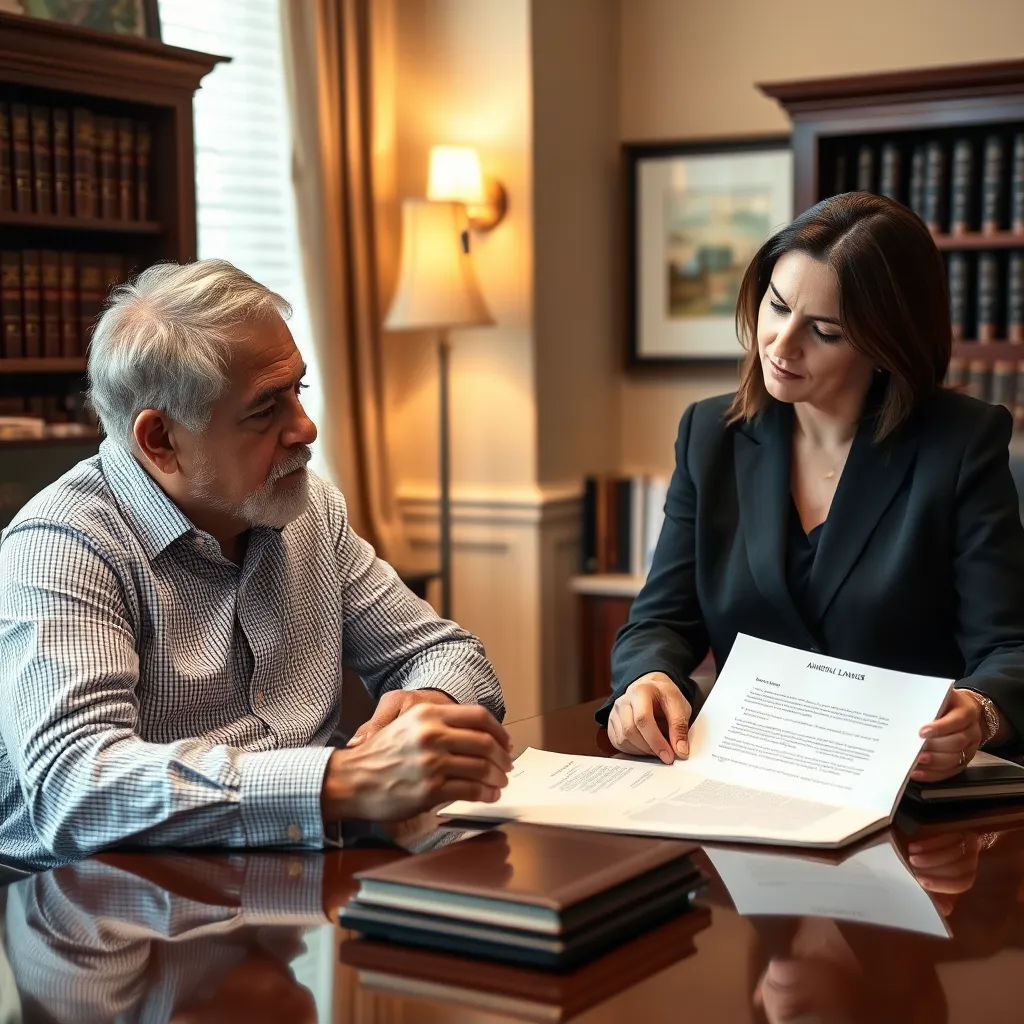
Note: This article is confirmed by Law Offices Of SRIS, P.C.
WRITTEN BY: Mr. Sris
Since 1997, Mr. Sris has led the firm, focusing on the most challenging criminal and family law cases. His background in accounting and information management aids in financial and technology-related cases. Involved in significant legislative changes in Virginia. Mr. Sris believes in actively participating in shaping law, dedicating effort towards amending Virginia Code § 20-107.3 and achieving state recognition for cultural milestones.
Annulment Lawyer Virginia
What is marriage annulment lawyer Virginia
Marriage annulment in Virginia represents a legal declaration that a marriage was never valid. This differs fundamentally from divorce, which ends a valid marriage. Virginia law establishes specific circumstances where annulment may be granted. These include situations where consent was not properly given or legal requirements were not met.
The legal process begins with determining if your situation meets Virginia’s statutory grounds. Common grounds include fraud, where one party deceived the other about something vital to the marriage. Force or coercion represents another valid ground, where consent was obtained through threats or pressure. Underage marriage without proper consent or court approval also qualifies. Mental incapacity at the time of marriage, whether temporary or permanent, provides grounds for annulment.
Evidence requirements for annulment cases are specific. Documentation must demonstrate the existence of qualifying grounds. This may include medical records, witness statements, or documentary evidence. The timing of filing matters, as some grounds have statutory limitations. Proper legal guidance helps identify what evidence the court requires.
Legal professionals familiar with Virginia family law understand the nuances of annulment cases. They can evaluate whether your situation meets the legal standards. They help prepare the necessary documentation and represent your interests in court. Their knowledge of local court procedures and judicial expectations proves valuable.
Blunt Truth: Annulment requires proving specific legal grounds existed at the marriage time. Without proper evidence meeting Virginia’s standards, courts will not grant annulment.
How to annulment attorney Virginia
The annulment process in Virginia follows specific legal steps. Initial consultation involves evaluating whether your situation meets statutory grounds. Legal professionals review the circumstances and evidence available. They explain the legal standards and likelihood of success. This assessment helps determine whether to proceed with annulment.
Evidence gathering represents a important phase. Documentation must support the claimed grounds for annulment. This may include medical records for mental incapacity claims. Witness statements can support allegations of fraud or force. Documentary evidence such as birth certificates proves underage status. Legal guidance helps identify what evidence carries weight in Virginia courts.
Filing the petition requires proper completion of legal forms. These documents must accurately state the grounds for annulment. They must include all required information about both parties. Filing occurs in the appropriate Virginia circuit court. Legal professionals ensure proper filing to avoid procedural delays.
Court proceedings involve presenting your case before a judge. Hearings allow presentation of evidence and legal arguments. The other party may contest the annulment, requiring responsive arguments. Legal representation helps present your case effectively. Understanding local court procedures and judicial expectations matters.
Final judgment comes after the court reviews all evidence. If granted, the annulment decree declares the marriage void. This affects property rights, support obligations, and other legal matters. Legal guidance helps understand the implications of the judgment.
Reality Check: Annulment requires strict adherence to Virginia’s legal procedures. Missing deadlines or improper filings can delay or jeopardize your case.
Can I annulment attorney Virginia
Eligibility for annulment in Virginia depends on specific legal criteria. The first consideration involves whether your situation matches statutory grounds. Fraud represents a common ground, requiring deception about something vital to marriage consent. This might include hiding infertility, existing marriage, or criminal history. The deception must relate to something directly affecting the marriage decision.
Force or coercion qualifies when consent was obtained through threats or pressure. This includes physical threats, blackmail, or extreme psychological pressure. Evidence must demonstrate the lack of voluntary consent. Timing matters, as the force must have been present at the marriage time.
Underage marriage without proper consent represents another ground. Virginia law specifies age requirements and consent procedures. Marriage below the legal age without court approval may qualify for annulment. Documentation of age and lack of proper consent is necessary.
Mental incapacity at the marriage time provides grounds for annulment. This includes temporary conditions like intoxication or permanent conditions affecting understanding. Medical evidence typically supports these claims. The incapacity must have prevented understanding of the marriage contract.
Other considerations affect eligibility. Statutory time limits apply to some grounds. Evidence availability impacts case strength. Legal consultation helps evaluate all factors. Professionals assess whether your situation meets Virginia’s standards.
Straight Talk: Not every unhappy marriage qualifies for annulment. Virginia requires specific legal grounds and supporting evidence. Legal evaluation determines actual eligibility.
Why hire legal help for annulment attorney Virginia
Legal representation for annulment cases offers several benefits. Knowledge of Virginia’s specific statutes helps determine proper grounds. Professionals understand the nuances of fraud, force, incapacity, and underage marriage definitions. They know what evidence courts typically require for each ground. This knowledge helps build a stronger case from the beginning.
Evidence gathering benefits from legal guidance. Professionals know what documentation carries weight in Virginia courts. They understand how to obtain medical records, witness statements, and other evidence. They help organize evidence to present a clear, compelling case. Proper evidence presentation can significantly affect outcomes.
Procedural requirements in Virginia courts can be involved. Filing deadlines, document formats, and court rules matter. Missing procedural steps can delay or jeopardize cases. Legal professionals ensure proper compliance with all requirements. They handle filings, scheduling, and communications with the court.
Court representation improves case presentation. Professionals know how to argue legal points effectively. They understand local judicial preferences and expectations. They can respond to counterarguments from the other party. Their experience helps present your case in the most favorable light.
Legal guidance helps understand implications of annulment. Professionals explain how annulment affects property rights, support obligations, and other matters. They help address related legal issues that may arise. Their support extends through the entire process.
Blunt Truth: Annulment cases involve specific legal standards and procedures. Professional guidance helps meet these requirements and present your best case.
FAQ:
1. What is annulment in Virginia?
Annulment declares a marriage legally invalid from its beginning. Virginia recognizes specific grounds including fraud, force, underage marriage, or mental incapacity.
2. How does annulment differ from divorce?
Annulment treats marriage as never having existed legally. Divorce ends a valid marriage. Different legal standards and consequences apply.
3. What are Virginia’s annulment grounds?
Virginia recognizes fraud, force, underage marriage, mental incapacity, and other specific circumstances. Each ground has particular legal requirements.
4. How long does annulment take in Virginia?
Timing varies based on case challenge and court schedules. Simple uncontested cases may resolve faster than contested matters.
5. What evidence is needed for annulment?
Evidence depends on the grounds claimed. Documentation may include medical records, witness statements, or proof of age.
6. Can I get annulment if married briefly?
Brief marriage duration alone doesn’t qualify for annulment. You must meet specific Virginia legal grounds regardless of marriage length.
7. What happens to property after annulment?
Property division follows annulment-specific rules. Courts determine equitable distribution based on contributions and circumstances.
8. Do I need a lawyer for annulment?
Legal guidance helps address Virginia’s specific requirements. Professionals understand statutes, evidence standards, and court procedures.
9. Can annulment be contested?
Yes, the other party can contest annulment petitions. Contested cases require court hearings and evidence presentation.
10. What are time limits for annulment?
Virginia has statutory time limits for some grounds. Consult an attorney to understand applicable deadlines for your situation.
11. How much does annulment cost?
Costs vary based on case challenge and legal representation. Court fees and attorney fees contribute to total expenses.
12. Where do I file for annulment?
File in the Virginia circuit court where either party resides. Proper venue selection follows statutory requirements.
Past results do not predict future outcomes