
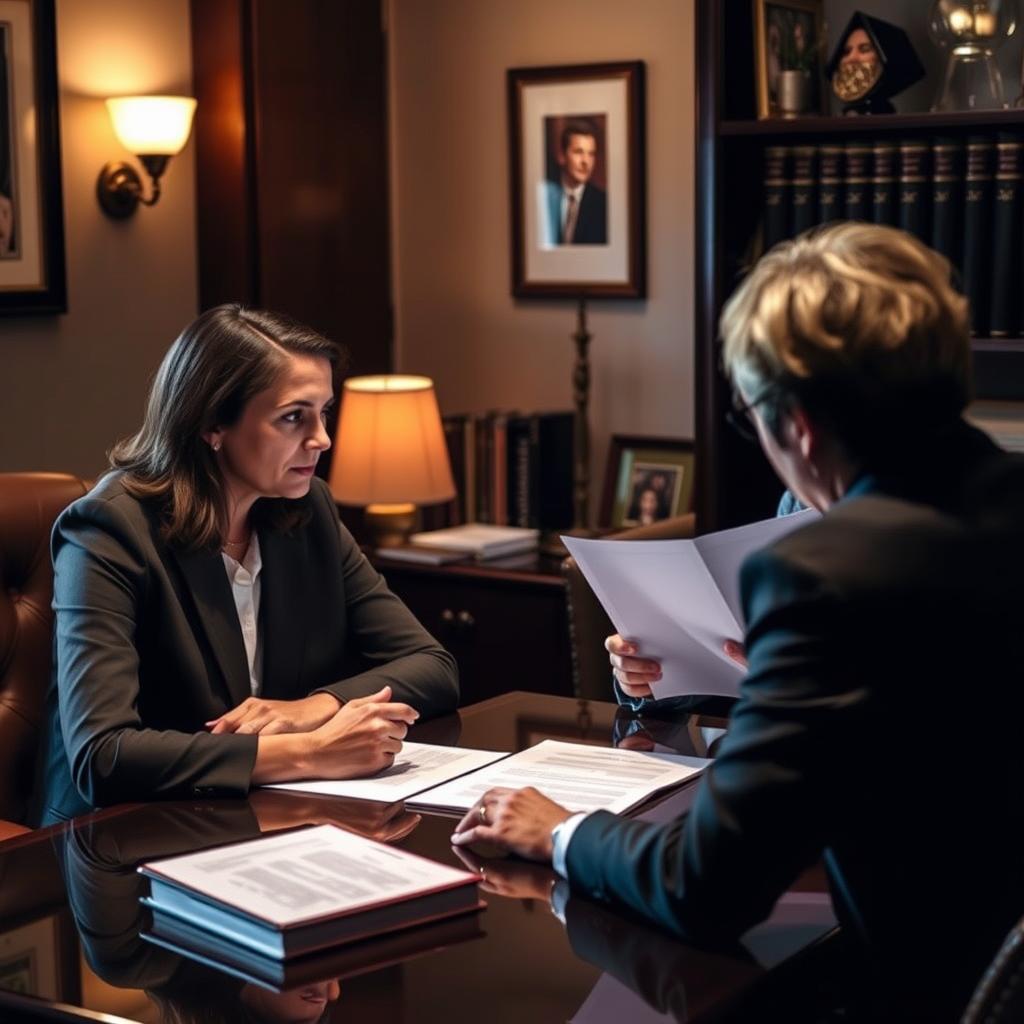
Post Divorce Modification Lawyer Virginia, VA
Your divorce decree was finalized years ago, but life circumstances have shifted. You may have changed jobs, your co-parent has relocated, or your child’s needs have grown beyond what the original order anticipated. The child support, custody, or spousal support arrangement that once worked no longer reflects your reality. In Virginia, a post-divorce modification can be the legal tool that brings your court order into alignment with your current situation. Law Offices Of SRIS, P.C. helps clients across Virginia pursue modifications that reflect genuine changes in circumstances. Call (888) 437-7747 to discuss your options. Law Offices Of SRIS, P.C. – Advocacy Without Borders.
How We Approach Post-Divorce Modification in Virginia
Post-divorce modification in Virginia is not automatic—you must demonstrate a material change in circumstances that makes the existing order unworkable or unfair. Our firm begins by listening carefully to the specific changes you have experienced: a significant change in income, a job loss, a relocation, a remarriage, or a child’s evolving educational or medical needs. Mr. Sris and the firm’s Of Counsel attorneys then help collect the documentation needed to support your position, including pay stubs, tax returns, medical records, and correspondence with the other party. We evaluate whether informal negotiation with the other parent or spouse could resolve the issue, and if not, we prepare a motion to modify filed in the appropriate Virginia court—the Juvenile and Domestic Relations District Court for custody and support matters, or the Circuit Court if the modification involves property division or is tied to the original divorce decree. Throughout the process we aim to keep you informed and to work toward a resolution that protects your rights while respecting the court’s focus on the best interests of any children involved.
What to Expect During the Modification Process
Once the motion to modify is filed and served on the other party, the court will schedule a hearing. The timeline for this hearing depends on the court’s docket, but Virginia courts generally try to resolve support and custody matters without lengthy delay. Before the hearing, both sides may exchange financial information and evidence. In many cases, the court encourages mediation or a settlement conference to attempt an agreed modification. If an agreement is reached, the judge will enter a new order reflecting the updated terms. If not, a hearing or trial is held where you present your evidence and the other party may oppose the change. The judge will consider factors such as the nature of the changed circumstances, the financial needs of the parties, and—for custody matters—the statutory factors under Va. Code § 20‑124.3. Having experienced counsel at your side can help ensure that the court has a clear picture of the changes and how they affect your family’s well-being.
Consequences of Not Modifying an Outdated Order
Failing to address an outdated support or custody order can lead to serious problems. If you are unable to pay the original support amount because of a genuine income reduction, arrearages will accumulate and the Virginia Division of Child Support Enforcement (DCSE) may take collection actions including wage garnishment, interception of tax refunds, or suspension of your driver’s license. For those owed support, an unchanged order may mean receiving less than is appropriate for the child’s current needs. Custody and visitation orders that no longer work can create ongoing conflict, stress, and instability for children. In cases of contempt for willful noncompliance, the court can impose sanctions, including fines and even jail. A timely modification can prevent these enforcement actions and help bring certainty to family life. The Virginia legal system provides the mechanism to request changes; the key is taking action before the situation becomes a crisis.
About Mr. Sris and the Firm’s Of Counsel Attorneys
Mr. Sris, Owner and Founder of Law Offices Of SRIS, P.C., has practiced law since 1997. A former prosecutor, he is admitted to practice in Virginia, Maryland, the District of Columbia, New Jersey, and New York. Mr. Sris testified before the Virginia House Courts of Justice Committee in support of 2019 HB 635 (chief patron Del. David Bulova), which revised certain procedures under Virginia’s equitable distribution statute. Mr. Sris and the firm’s Of Counsel attorneys bring extensive combined legal experience to post-divorce modification matters. Results may vary. The firm’s Of Counsel attorneys include lawyers with backgrounds in criminal law, family law, and complex litigation, all of whom work collaboratively to provide practical guidance. Whether your modification involves support, custody, or enforcement issues, you can count on deliberate attention to the details that matter to Virginia courts.
Frequently Asked Questions
What is a post-divorce modification in Virginia?
A post-divorce modification is a legal process to change the terms of a final divorce decree when a material change in circumstances occurs. After a divorce in Virginia, the court retains ongoing jurisdiction to modify orders for child support, spousal support, and child custody. To succeed, the party seeking modification must show that a substantial change has happened since the original order and that the change warrants an updated order. Common changes include income shifts, remarriage, relocation, or a child’s evolving needs. The process starts by filing a motion in the court that issued the decree or has jurisdiction over the parties. For guidance on whether your situation qualifies, contact Law Offices Of SRIS, P.C. at (888) 437‑7747.
Do I need a lawyer for a post-divorce modification in Virginia?
You are not legally required to have a lawyer, but modification proceedings involve legal standards, evidentiary requirements, and court procedures that can be difficult to manage alone. Virginia’s modification statutes require that you prove a material change in circumstances. Gathering proper documentation, presenting it effectively, and responding to the other party’s evidence often benefits from experienced legal counsel. Self-representation may work in an uncontested situation where both parties agree, but if the other parent or spouse contests the modification, having an attorney can help protect your rights and work toward a fair outcome. For a consultation, reach Mr. Sris and the firm’s Of Counsel attorneys at (888) 437‑7747.
How does the court decide a modification of child support in Virginia?
Virginia courts modify child support when a party shows a material change in circumstances, and the court recalculates the support obligation using the statutory guidelines. The Virginia child support guidelines found at Va. Code § 20‑108.2 set a presumptively correct amount based on the parents’ combined gross incomes, the number of children, health insurance costs, and work-related childcare expenses. If the evidence shows a significant change in income or custody arrangement, the court will apply the guidelines. The party seeking modification must file a motion in the Juvenile and Domestic Relations District Court or, if the divorce remains open, in the Circuit Court. To discuss the specifics of your child support matter, contact Law Offices Of SRIS, P.C. at (888) 437‑7747.
Can spousal support be modified after divorce in Virginia?
Spousal support can be modified if the court finds a material change in circumstances and the support order does not state that it is non-modifiable. Virginia law under Va. Code § 20‑109 allows modification of spousal support unless the parties expressly agreed otherwise in a property settlement agreement that was incorporated into the decree. Changed circumstances might include a substantial change in the income of either party, involuntary job loss, or changes in health. The court may increase, decrease, or terminate support altogether. Because the burden of proof rests on the person seeking the change, solid documentation of the changed condition is critical. For guidance on your specific situation, reach Law Offices Of SRIS, P.C. at (888) 437‑7747.
What is the difference between an agreed modification and a contested hearing?
An agreed modification occurs when both parties consent to the changes and present a joint proposed order to the court; a contested hearing happens when they cannot agree and the judge decides. In an agreed modification, the parties typically prepare a written stipulation and a new order for the judge to sign. This route is usually faster and less expensive. If the parties cannot reach agreement, the matter proceeds to a contested evidentiary hearing where each side presents testimony and documents. The court then rules based on the evidence and the applicable legal standards. Many modifications start contested but settle before trial. To explore whether your case can be resolved amicably, contact Law Offices Of SRIS, P.C. at (888) 437‑7747.
Related practice areas: Alimony Modification Lawyer Virginia, VA · Child Support Modification Lawyer Virginia, VA · Divorce Decree Modification Lawyer Virginia, VA · Post Divorce Enforcement Lawyer Virginia, VA
For a detailed statutory analysis of Virginia family law, see our comprehensive overview on srislawyer.com.
Official Commonwealth of Virginia resources: Virginia Code Title 20 – Domestic Relations · Virginia’s Judicial System
Contact Law Offices Of SRIS, P.C. to request a consultation. By appointment only. Call (888) 437‑7747.
Attorney advertising. Prior results do not guarantee a similar outcome. Results may vary.
Case results depend on a variety of factors unique to each case.