
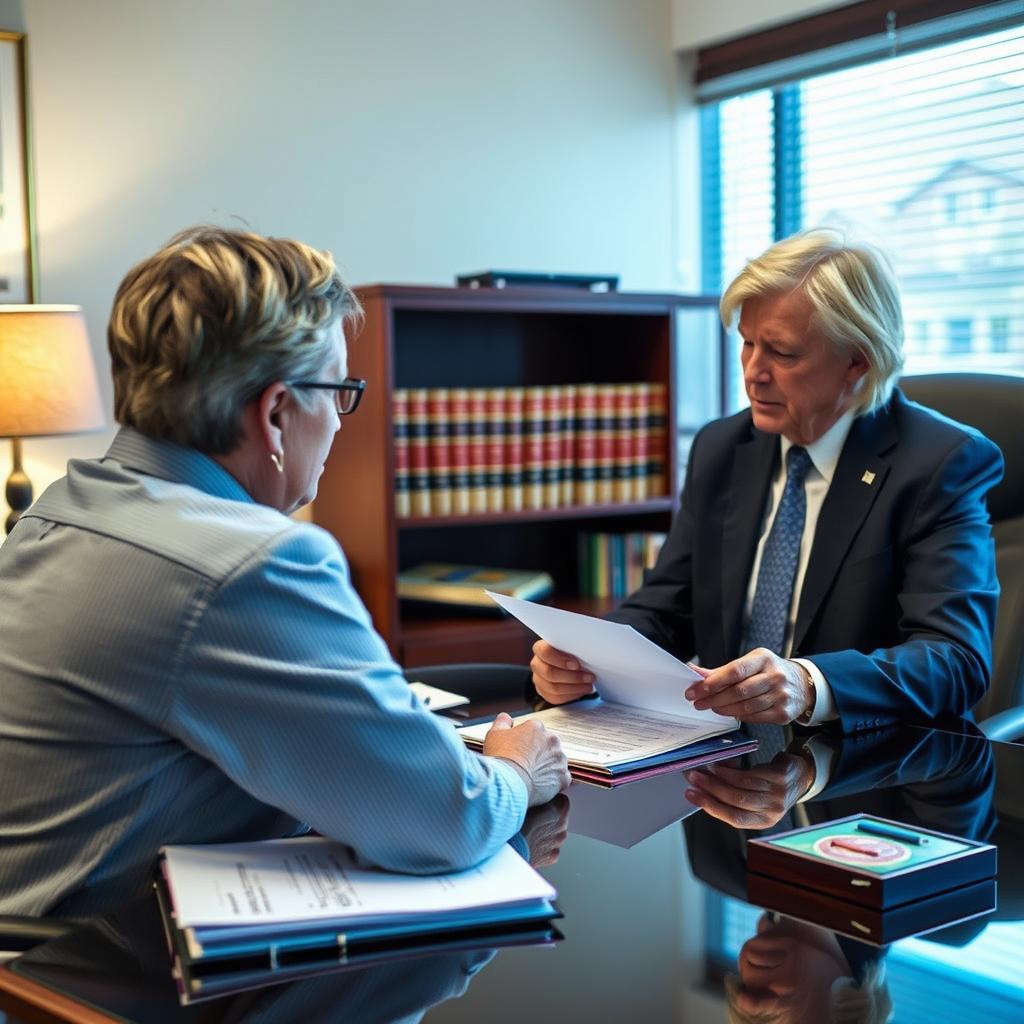
Estate Planning Lawyer in Fairfax, Virginia
When Fairfax residents begin thinking about the future—caring for a spouse, passing a family business to the next generation, or ensuring that a loved one with special needs is protected—estate planning becomes a practical necessity, not just a legal formality. The population of Fairfax County encompasses families with complex assets, multi-generational households, and individuals whose personal situations do not fit a one-size-fits‑all template. An estate plan tailored to a Fairfax family must account for Virginia’s probate and fiduciary laws, local court practice in the Fairfax Circuit Court, and the client’s own goals for health‑care decision‑making, asset distribution, and guardianship designations. Mr. Sris and the firm’s Of Counsel attorneys bring extensive legal experience to estate planning matters in Fairfax, addressing wills, trusts, powers of attorney, and advance medical directives with attention to each client’s unique circumstances. To request a consultation, reach Law Offices Of SRIS, P.C. at (888) 437‑7747. Law Offices Of SRIS, P.C. – Advocacy Without Borders.
What Estate Planning Means in Fairfax, Virginia
Estate planning in Fairfax is the process of preparing legal documents that govern what happens to a person’s property, health‑care choices, and minor children during life and after death. Because Virginia law—particularly Title 64.2 of the Virginia Code—sets the default rules for intestate succession, probate administration, and fiduciary appointments, a Fairfax resident who does not put a plan in place leaves those decisions to a statutory framework that may not match his or her wishes. The Fairfax Circuit Court handles probate, trust administration, and guardianship and conservatorship proceedings for the county, and its procedures influence how efficiently an estate can be settled. Many Fairfax families also have ties to the legal and business community of Northern Virginia, Washington, D.C., and Maryland, so cross‑jurisdictional considerations—such as the situs of real property or the residency of a named fiduciary—often become relevant during the planning stage.
For Fairfax residents, a complete estate plan typically includes a last will and testament, one or more trusts where appropriate, a durable power of attorney for financial matters, an advance medical directive (“living will” combined with a health‑care power of attorney), and beneficiary designations that coordinate with the overall plan. The firm works with individuals and families to evaluate the value and character of their assets, discuss family dynamics, and explain the options available under Virginia law. Because no two families are alike, the planning process in Fairfax focuses on building a structure that reflects the client’s priorities while satisfying the statutory requirements that ensure enforceability in the Fairfax Circuit Court.
How Mr. Sris and the Firm’s Of Counsel Attorneys Handle Estate Planning Cases
Every estate planning engagement begins with a detailed conversation. The attorney learns about the client’s marital status, children, grandchildren, business interests, retirement accounts, real property, and any concerns about creditor protection, tax exposure, or a beneficiary who may need a trust to manage an inheritance. From that conversation, the attorney designs a set of documents that together implement the client’s goals. Mr. Sris and the firm’s Of Counsel attorneys have extensive combined legal experience in drafting instruments that comply with Virginia’s statutory formalities—such as the signature and witness requirements for a valid will under Va. Code § 64.2‑403—while also incorporating the flexibility that modern estate plans often require.
If a client chooses to use a revocable living trust to avoid probate, the attorney prepares the trust agreement, identifies successor trustees, and coordinates the transfer of assets into the trust so that the plan works as intended. Powers of attorney and advance medical directives are drafted to give a trusted agent the authority to manage financial affairs and make health‑care decisions if the client becomes incapacitated, consistent with Virginia’s Health Care Decisions Act. Throughout the process, the attorney explains what each document does, how it interacts with the others, and what steps the client or named fiduciaries will need to take after the plan is executed. The firm’s approach in Fairfax is to provide clear, plain‑English explanations so that clients can make informed decisions without feeling overwhelmed by legal terminology.
About Mr. Sris and the Firm’s Of Counsel Attorneys
Mr. Sris, Owner and Founder of Law Offices Of SRIS, P.C., has been admitted to practice in Virginia, Maryland, the District of Columbia, New Jersey, and New York since 1997. He is a former prosecutor who now concentrates his practice on civil matters, including estate planning, probate administration, and guardianship. Mr. Sris testified before the Virginia House Courts of Justice Committee in support of 2019 HB 635 (chief patron Del. David Bulova). The firm’s Of Counsel attorneys—each an independent practitioner who contracts directly with Law Offices Of SRIS, P.C.—bring additional experience in trusts and estates, real property, and tax‑related planning. Together, the attorneys assist Fairfax clients with a full spectrum of estate‑planning services, from simple wills to complex multi‑generational trust structures. Results may vary.
Frequently Asked Questions
What documents do I need for a complete estate plan in Virginia?
A complete Virginia estate plan typically includes a will, a durable power of attorney, an advance medical directive, and, when appropriate, one or more trusts. The will governs the distribution of probate assets and names an executor. The durable power of attorney authorizes a trusted agent to handle financial and legal affairs during incapacity, while the advance medical directive states the client’s health‑care wishes and designates a health‑care agent. Trusts may be used to avoid probate, provide for a beneficiary with special needs, or manage assets for minor children. The specific combination of documents depends on the client’s family structure, asset composition, and personal objectives.
Do I need a lawyer to create a will in Fairfax County?
Virginia law permits a person to write his or her own will, but a lawyer‑drafted will helps ensure that the document satisfies all statutory formalities and accurately reflects the testator’s wishes. A handwritten (“holographic”) will is recognized in Virginia only if it is entirely in the testator’s handwriting and signed. Even then, such a will may be challenged or may fail to address contingencies. An attorney can draft a will that complies with Virginia Code provisions on execution, avoids ambiguity, and coordinates with other estate‑planning documents. Many Fairfax residents choose to work with an attorney for peace of mind.
What is probate and can I avoid it in Fairfax?
Probate is the court‑supervised process of authenticating a will, appointing an executor, inventorying assets, paying debts, and distributing the remaining property to beneficiaries. In Fairfax, probate is administered by the Circuit Court. A well‑funded revocable living trust can avoid probate for assets placed in the trust, because title is held by the trustee rather than the decedent individually. Other assets—such as jointly‑titled property with right of survivorship or accounts with payable‑on‑death designations—pass outside probate as well. Still, some Fairfax estates benefit from probate’s supervision, particularly when disputes exist among potential heirs. An attorney can explain whether probate avoidance is desirable in a particular situation.
How do I choose an executor or trustee in Fairfax?
Selecting a fiduciary involves evaluating the person’s honesty, financial acumen, availability, and willingness to serve. The executor named in a will is responsible for marshaling assets, paying debts, filing any necessary tax returns, and distributing property under court supervision. A trustee manages trust assets according to the terms of the trust instrument, often for a longer period. Many Fairfax clients name a trusted family member or friend, and sometimes a professional fiduciary or corporate trustee. An attorney can discuss the pros and cons of each option so the client makes an informed choice.
What happens if I become incapacitated without a power of attorney?
If a person becomes incapacitated without a valid durable power of attorney, a family member may need to petition the Fairfax Circuit Court for a guardianship and conservatorship appointment. That proceeding requires medical evidence, a court evaluation, and ongoing court oversight. Not only is the process public and time‑consuming, but the court—not the incapacitated person—decides who will serve as guardian and conservator. A properly executed durable power of attorney names the agent the client trusts most and grants authority that takes effect immediately or upon incapacity, avoiding the need for court intervention.
Is the estate‑planning process different for blended families in Fairfax?
Yes, estate planning for a blended family often requires added attention to balance the interests of a surviving spouse and children from a prior marriage. Virginia’s intestacy laws do not distinguish between biological and stepchildren, but a poorly drafted will or trust can inadvertently disinherit one side of the family. Common tools for blended families include a marital trust (QTIP trust) that provides income for the surviving spouse while preserving principal for the children, or a life‑estate arrangement for the family home. Clear beneficiary designations on retirement accounts and life‑insurance policies are also essential. An attorney who understands Virginia law can structure a plan that honors the client’s commitments to all loved ones.
Virginia’s Health Care Decisions Act (Va. Code §§ 54.1-2981 et seq.) governs advance medical directives and the appointment of health‑care agents.
Source: Virginia Code. Virginia Health Care Decisions Act
Reviewed by Mr. Sris, admitted in VA/MD/DC/NJ/NY.
Virginia Code § 64.2‑403 requires a will to be in writing, signed by the testator, and attested by at least two competent witnesses.
Source: Virginia Code. Va. Code § 64.2-403
Reviewed by Mr. Sris, admitted in VA/MD/DC/NJ/NY.
Estate planning topics that may interest you:
Fairfax Will Lawyer
Fairfax Trust Attorney
Fairfax Probate Lawyer
Fairfax Guardianship Lawyer
Primary sources for Virginia estate planning law:
Virginia Code – Wills, Trusts, and Fiduciaries
Fairfax Circuit Court
Virginia SCC – Business Entity Filings (for business succession planning)
Attorney advertising. Prior results do not guarantee a similar outcome.
Case results depend on a variety of factors unique to each case.
Results may vary.