
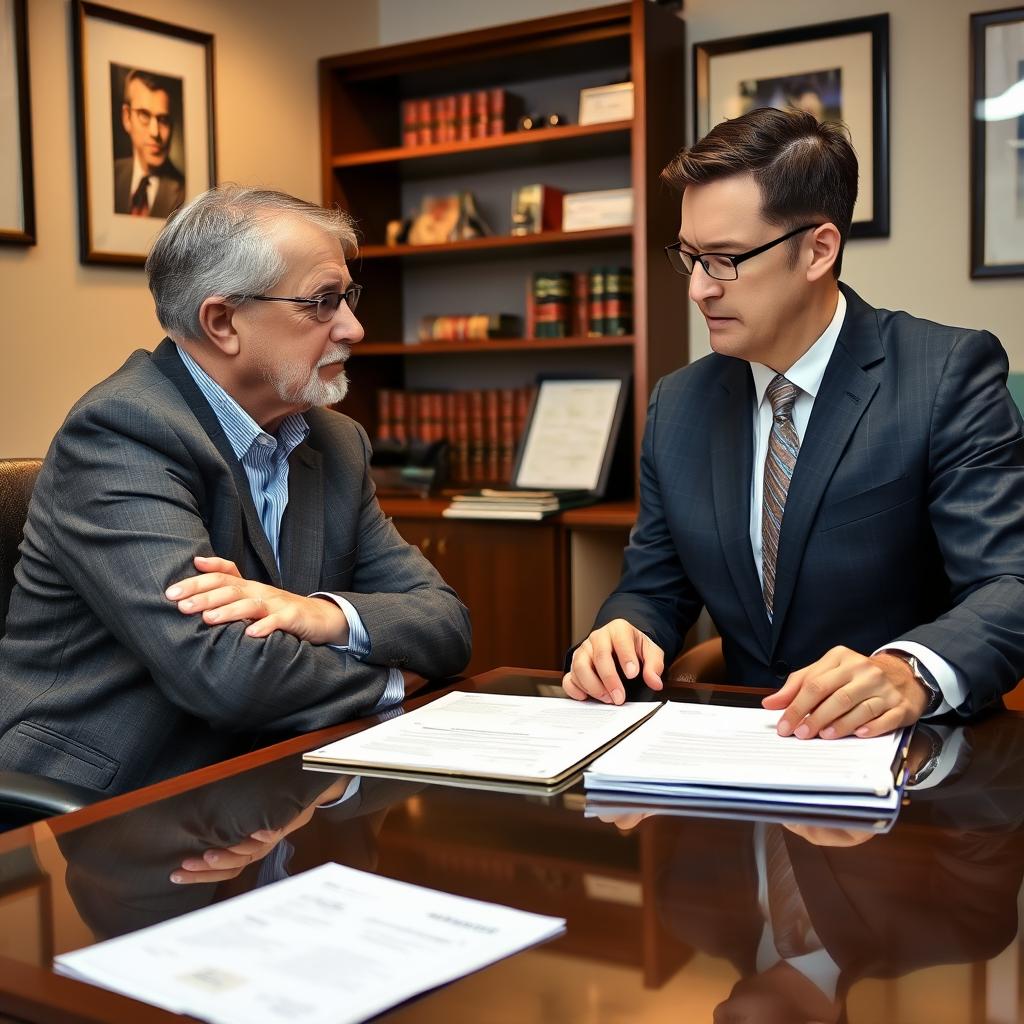
Third Party Custody Lawyer Colonial Heights, VA
When biological parents cannot care for a child—due to illness, incarceration, substance abuse, abandonment, or other serious concerns—a grandparent, adult sibling, or other family friend may seek legal custody through a third-party custody petition in Colonial Heights, Virginia. Third‑party custody is not the same as adoption or temporary guardianship; it places the child with a non‑parent on terms the court determines are in the child’s best interests. Mr. Sris and his Of Counsel help family members and caregivers navigate the statutory requirements and present evidence that supports a stable, safe placement. For a consultation about your situation, reach Law Offices Of SRIS, P.C. at (888) 437-7747. Law Offices Of SRIS, P.C. – Advocacy Without Borders.
What Is Third‑Party Custody in Colonial Heights, Virginia?
Third‑party custody is a proceeding in which a person who is not the child’s biological or adoptive parent asks a Virginia court to grant legal and physical custody. The law recognizes that a person with a legitimate interest—often a grandparent, aunt, uncle, or longtime caregiver—may be the trusted option for the child when the natural parents cannot or will not provide adequate care.
In Colonial Heights, custody matters not connected to a divorce are filed in the Colonial Heights Juvenile and Domestic Relations District Court. If a custody dispute arises within an existing divorce or equitable-distribution action, the Colonial Heights Circuit Court handles it. The court applies the trusted‑interests‑of‑the‑child standard under Va. Code § 20‑124.3 and considers ten statutory factors. Because a third party does not enjoy the same parental presumption a biological parent holds, the petitioner must present clear and convincing evidence that awarding custody to the non‑parent serves the child’s welfare. Mr. Sris and his Of Counsel develop the evidence—witness testimony, home‑study reports, school records, and other documentation—that the court needs to make an informed decision.
Frequently Asked Questions
What is third‑party custody in Virginia?
Third‑party custody is a court order that places a child in the legal and physical care of a person who is not the child’s parent. The non‑parent petitioner—such as a grandparent, aunt, or close family friend—assumes the rights and responsibilities of a custodian. The court may grant sole custody or shared custody, depending on the child’s needs and the parents’ situation. Unlike temporary guardianship, third‑party custody orders can be permanent or subject to modification when circumstances change.
Who can seek third‑party custody in Colonial Heights?
Any person with a legitimate interest in the child’s welfare may petition for third‑party custody. Typical petitioners include grandparents, adult siblings, aunts, uncles, and longtime family friends who have acted as primary caretakers. The petitioner does not need to be a blood relative, but the connection to the child must be genuine and beneficial. The court will scrutinize the petitioner’s relationship with the child and the reasons the parents cannot or should not retain custody.
How does the court decide third‑party custody?
The court decides third‑party custody by evaluating whether the child’s best interests are served by placing the child with the petitioner rather than with a biological parent. Under Virginia law, a parent enjoys a presumption that custody with the parent is in the child’s best interests. The third‑party petitioner must rebut that presumption with clear and convincing evidence. The judge then weighs the ten best‑interest factors listed in Va. Code § 20‑124.3, including the child’s age, the relationship between the child and each party, each party’s willingness to support the child’s contact with the other parent, and any history of abuse.
What factors does the court consider under Virginia Code § 20‑124.3?
Virginia law requires the court to consider ten specific factors when determining a child’s best interests. Those factors include the age and physical/mental condition of the child and each parent, the existing relationship between the child and each parent, the child’s needs including relationships with siblings and extended family, each parent’s role in the child’s upbringing, each parent’s willingness to maintain a close relationship with the child, the reasonable preference of a child who is old enough to express one, and any history of family abuse. For third‑party cases, the judge also looks at the petitioner’s relationship with the child and the reasons the parents are not suitable custodian.
Can grandparents file for third‑party custody?
Yes, grandparents are among the most common third‑party custody petitioners in Colonial Heights. Grandparents often step forward when a parent is incarcerated, struggling with addiction, or otherwise unable to provide a safe home. A grandparent does not have an automatic right to custody simply by being a grandparent, but the law recognizes that grandparent‑grandchild bonds can serve a child’s welfare. The grandparent must still show that awarding custody to the grandparent, rather than the parent, is in the child’s best interests.
Do I need a lawyer for third‑party custody in Colonial Heights?
You are not legally required to hire a lawyer, but third‑party custody cases involve a high legal burden and complex procedural rules that an experienced attorney can navigate effectively. The petitioner must prove parental unfitness or that extraordinary circumstances exist, a standard that is difficult to meet without a thorough understanding of the evidentiary requirements. Mr. Sris and his Of Counsel manage the preparation of petitions, gather supporting documentation, and present the case to the court in a way that highlights the child’s safety and stability.
How does the process start?
The process starts by filing a petition for custody in the Colonial Heights Juvenile and Domestic Relations District Court. The petition must name the child, the parents, and the petitioner, and explain the reasons the petitioner believes custody with them serves the child’s best interests. After the petition is filed, the court will schedule a preliminary hearing. The parents must be notified and have an opportunity to respond. The court may appoint a guardian ad litem—an attorney who represents the child’s interests—during the case.
What is the difference between third‑party custody and adoption?
Third‑party custody places the child with a non‑parent custodian without terminating the parents’ legal rights, while adoption permanently changes the child’s legal parentage. In a third‑party custody case, the parents may retain some rights, such as visitation, and may regain custody later if they demonstrate rehabilitation. Adoption permanently severs the parental relationship and grants the adoptive parent all rights and responsibilities. A third‑party custody order can later be used as evidence in an adoption proceeding if the situation warrants.
How long does a third‑party custody case take?
The timeline for a third‑party custody case depends on the court’s calendar, the complexity of the issues, and whether the parents contest the petition. Uncontested cases where all parties agree may be resolved in a few weeks after initial filings and a brief hearing. Contested cases, particularly those involving allegations of abuse or neglect, may require multiple hearings, expert evaluations, and a guardian ad litem investigation, extending the timeframe. Mr. Sris and his Of Counsel work to move the case forward efficiently while protecting the child’s interests.
Can a third‑party custody order be modified?
Yes, a third‑party custody order can be modified if a material change in circumstances occurs. Either the custodian, the parents, or the child’s guardian ad litem may ask the court to revisit custody if the child’s needs change, the parents rehabilitate, or the custodian can no longer care for the child. The moving party must demonstrate that the change since the last order is significant and that modifying custody would better serve the child’s interests.
What if the parents object to third‑party custody?
When parents object, the third‑party petitioner faces a higher evidentiary burden. The court begins with the presumption that custody with a fit parent is in the child’s best interests. The petitioner must produce clear and convincing evidence that the parents are unfit or that other extraordinary circumstances make parental custody detrimental to the child. Contested cases often involve witness testimony, school and medical records, and sometimes psychological evaluations. Mr. Sris and his Of Counsel help develop a record that meets this strict standard.
How can Mr. Sris help with a third‑party custody case in Colonial Heights?
Mr. Sris, Owner and Founder of Law Offices Of SRIS, P.C., brings practicing experience to third‑party custody matters, supported by his Of Counsel team’s extensive collective legal experience. The firm gathers the evidence needed to meet Virginia’s clear‑and‑convincing standard, coordinates with guardians ad litem and expert witnesses, and advocates for a placement that protects the child’s safety and emotional well‑being. To discuss your situation, reach Law Offices Of SRIS, P.C. at (888) 437-7747.
About Mr. Sris and His Of Counsel Team
Mr. Sris founded Law Offices Of SRIS, P.C. in 1997. Admitted to practice in Virginia, Maryland, the District of Columbia, New Jersey, and New York, he concentrates his work on family-law matters, including third‑party custody, divorce, and child‑support disputes. Mr. Sris and his Of Counsel bring extensive combined legal experience to family law proceedings. Mr. Sris and his Of Counsel have documented case results in Colonial Heights, including 4 reported outcomes with favorable results. Results may vary. The firm’s Richmond location serves clients throughout the Colonial Heights area by appointment; reach our location at (888) 437-7747.
Related family law pages:
Family Law Lawyer Fairfax County
Family Law Lawyer Fairfax City
Family Law Lawyer Prince William County
Family Law Lawyer Manassas
Family Law Lawyer Falls Church
Virginia legal resources:
Virginia Code Title 20 (Domestic Relations)
Virginia’s Judicial System
Attorney advertising. Prior results do not guarantee a similar outcome. Results may vary.
Case results depend on a variety of factors unique to each case.